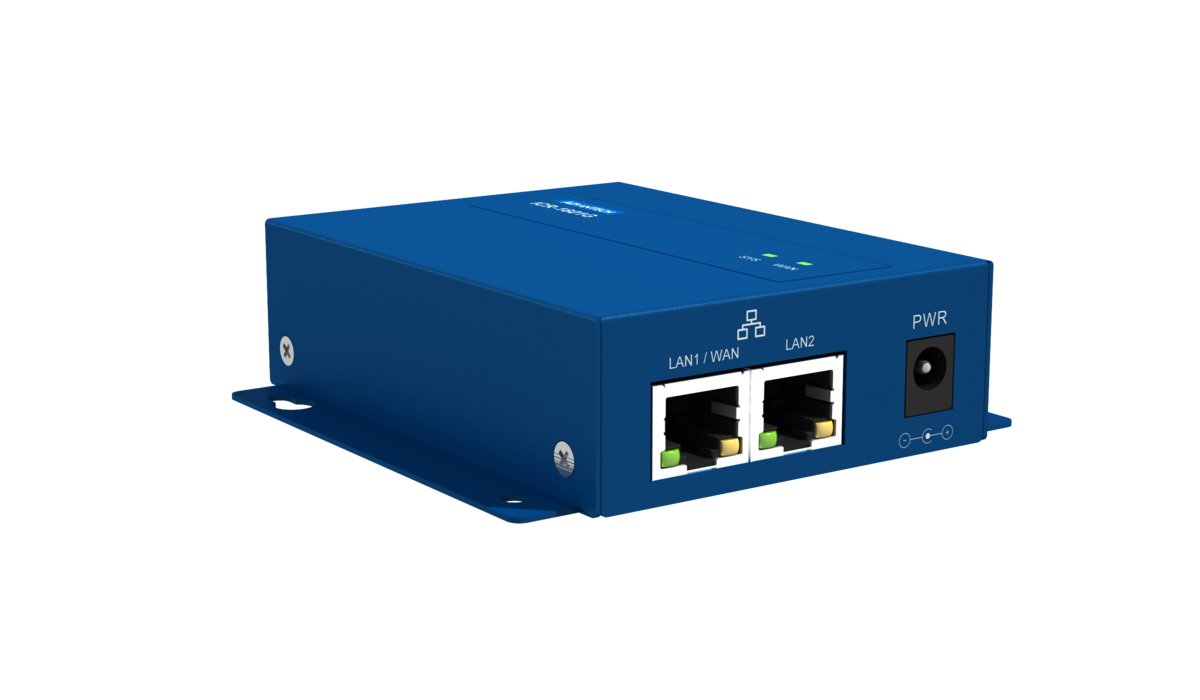
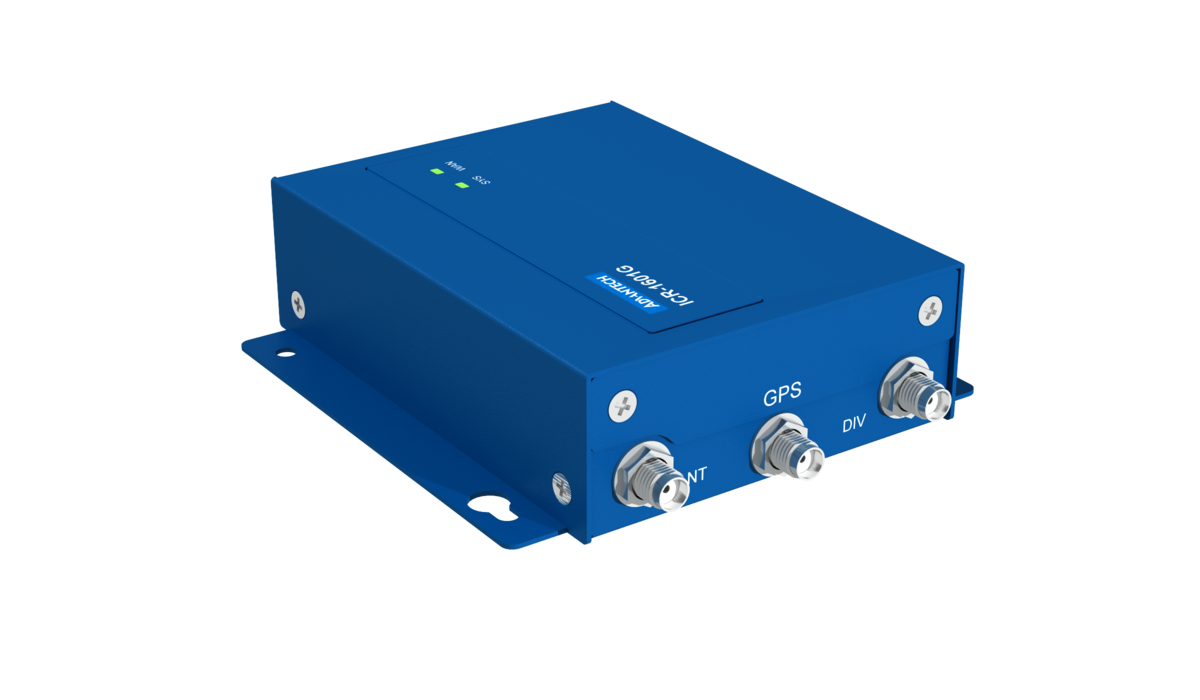
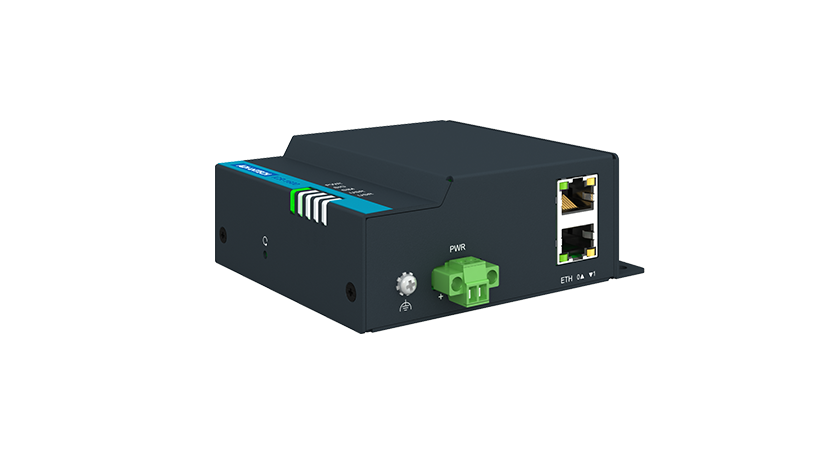
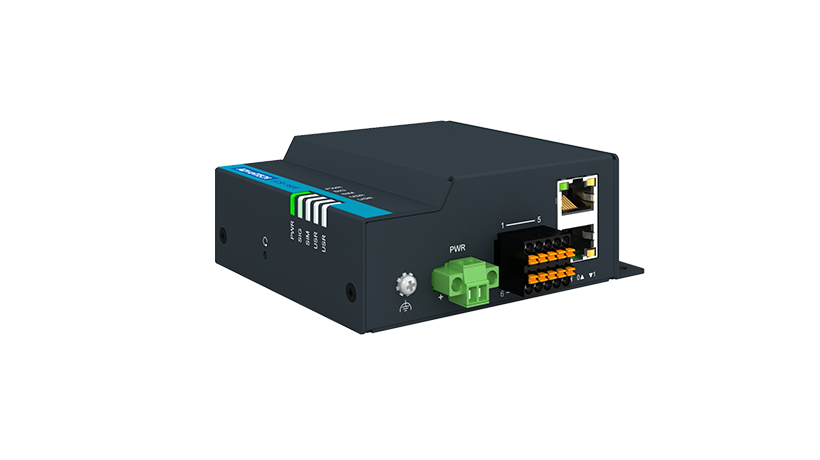
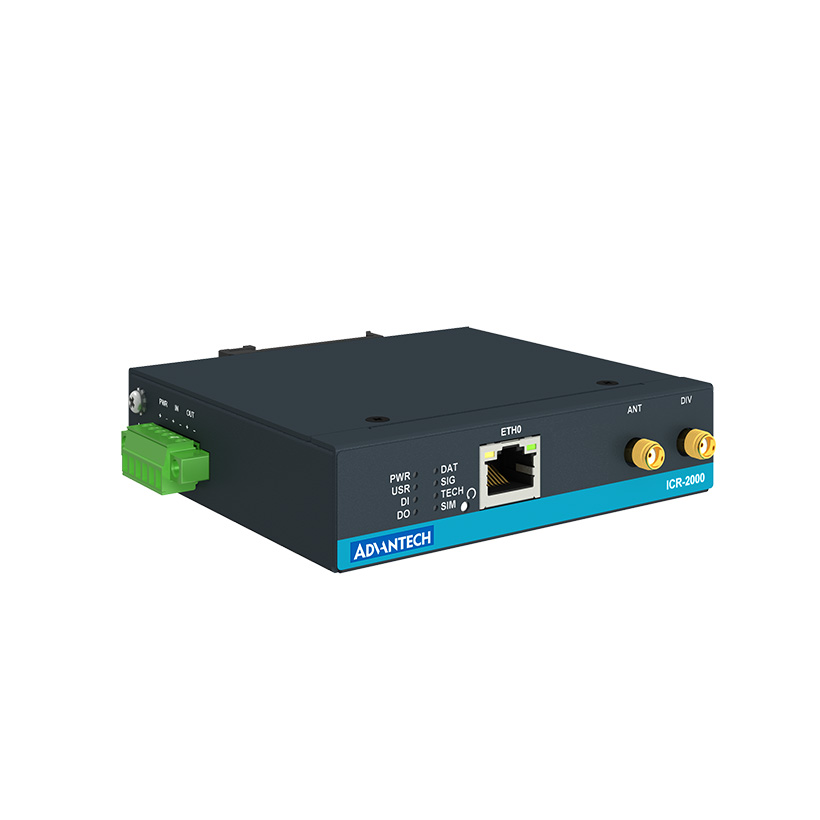
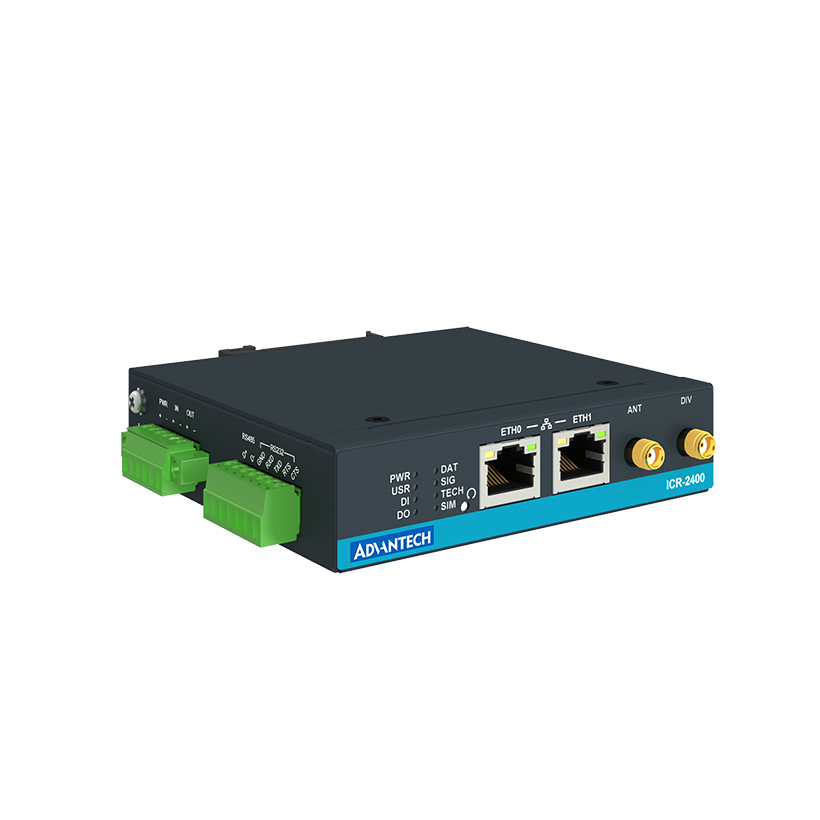
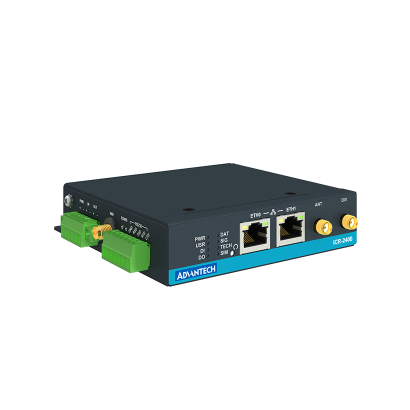
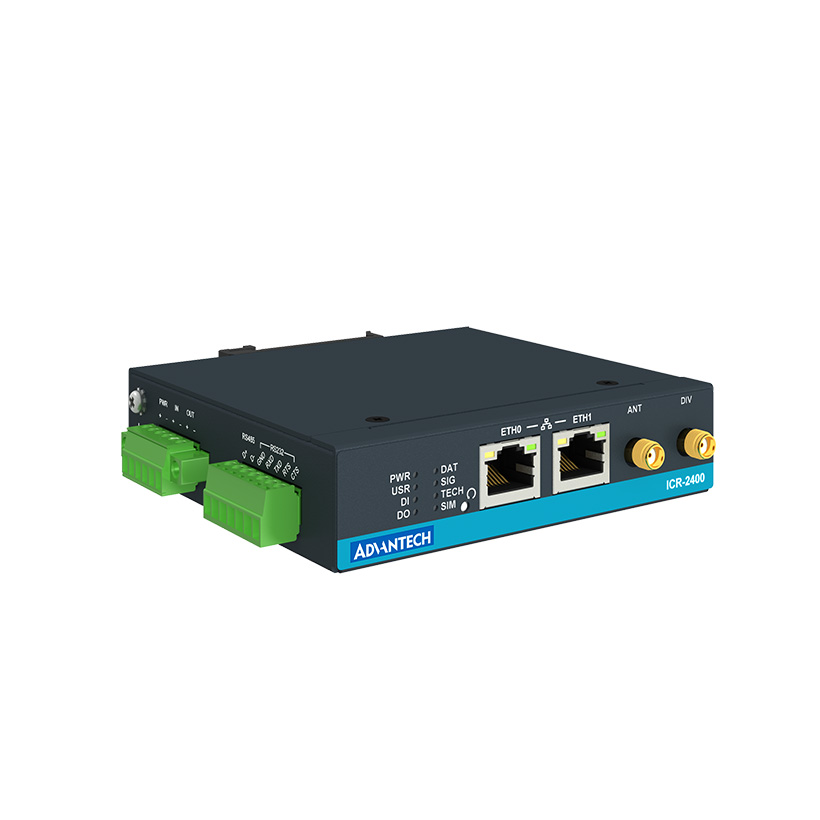
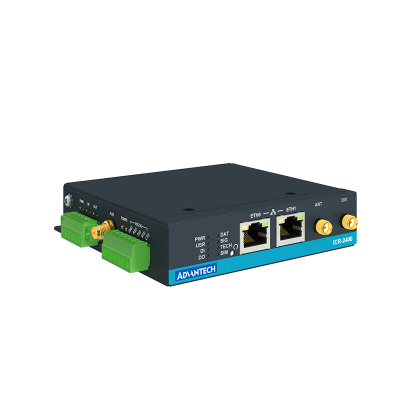
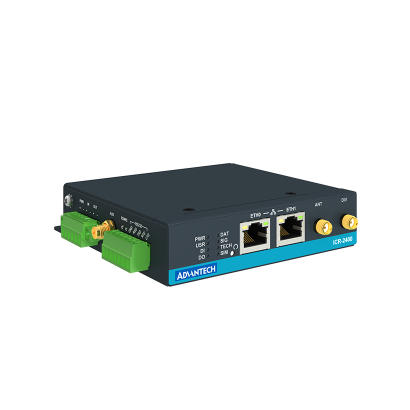
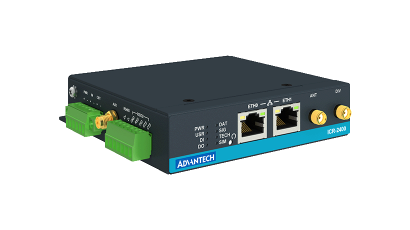
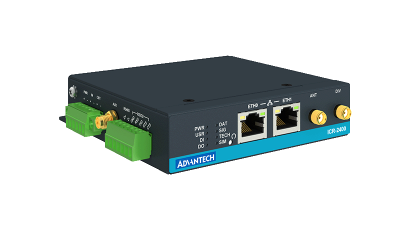
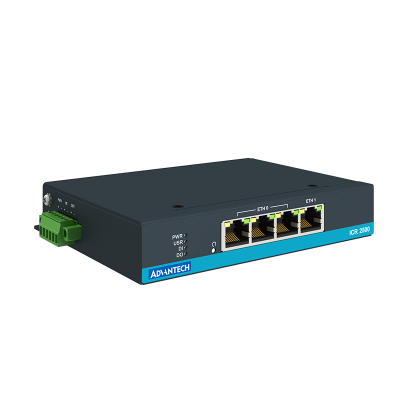
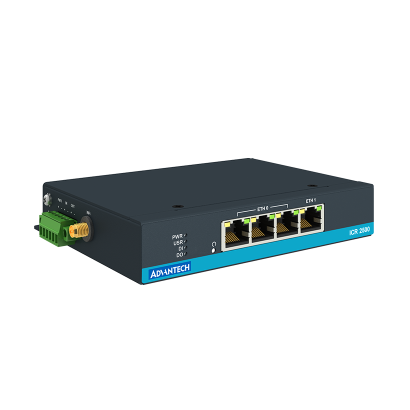
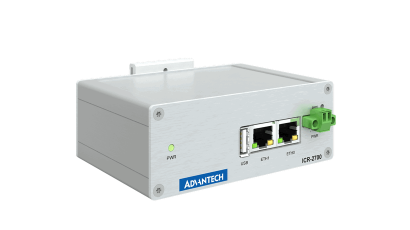
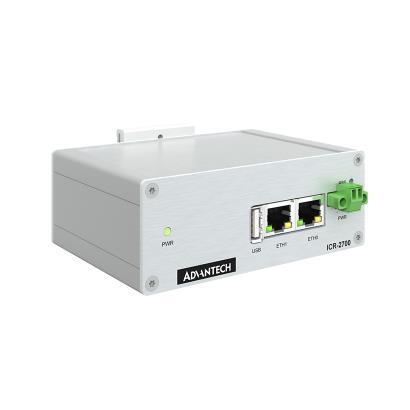
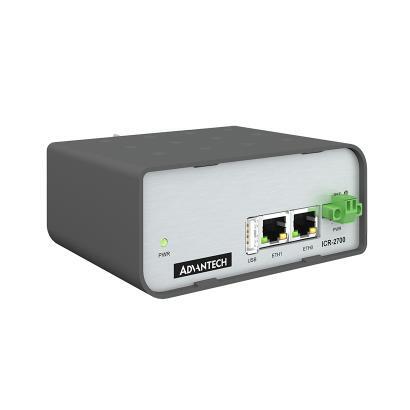
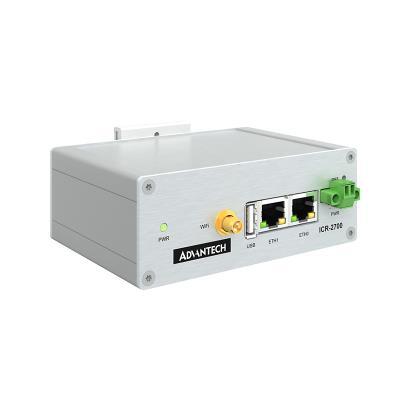
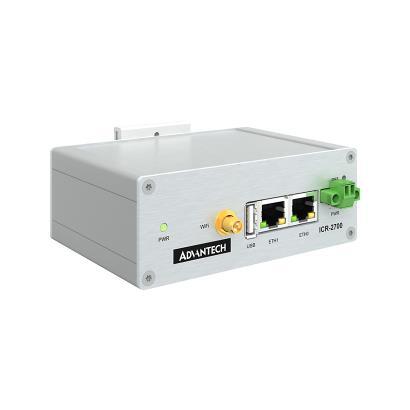
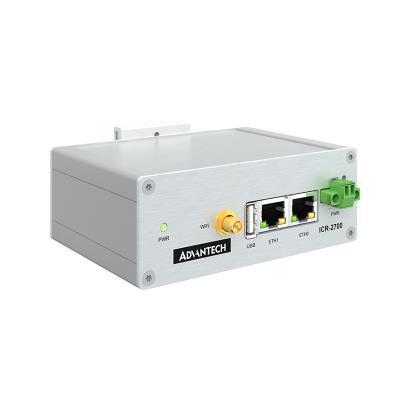
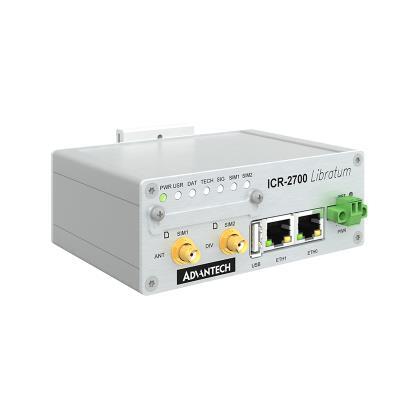
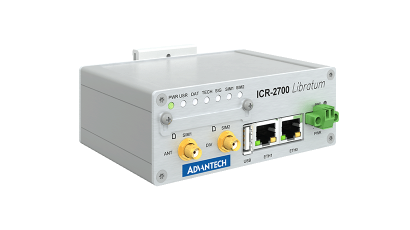
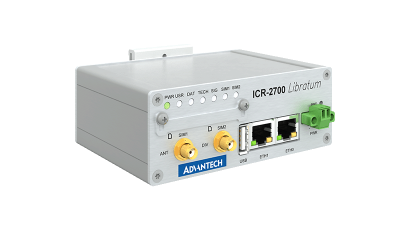
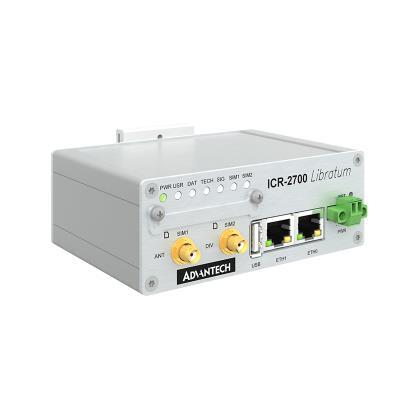
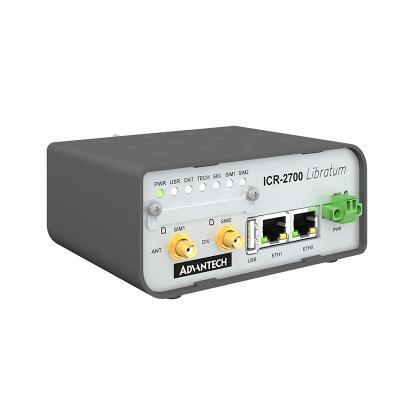
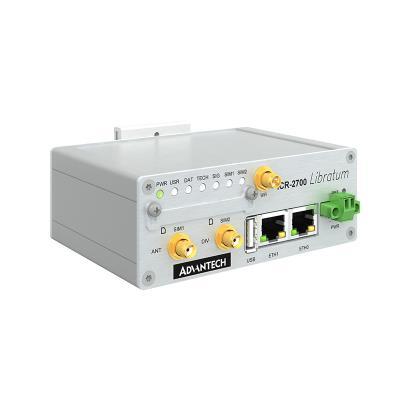
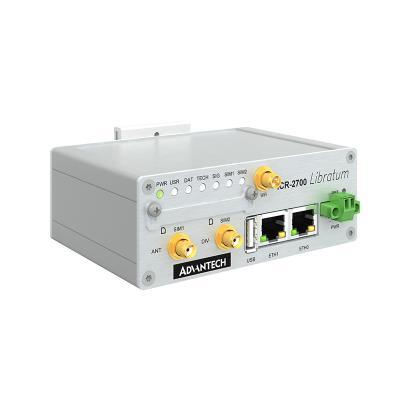
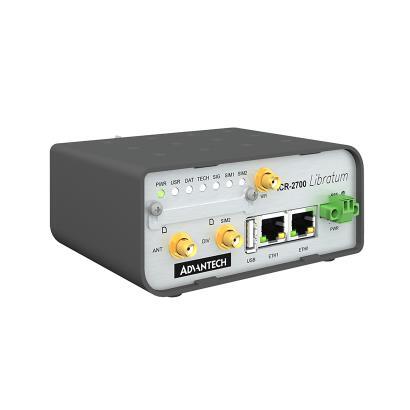
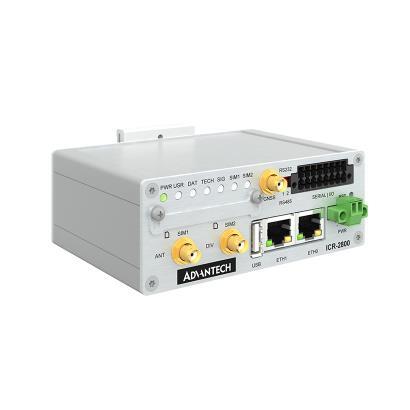
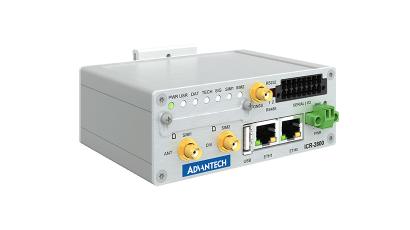
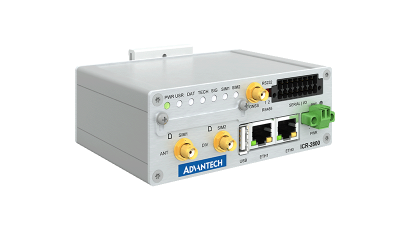
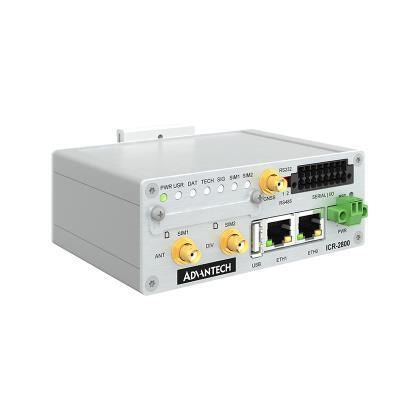
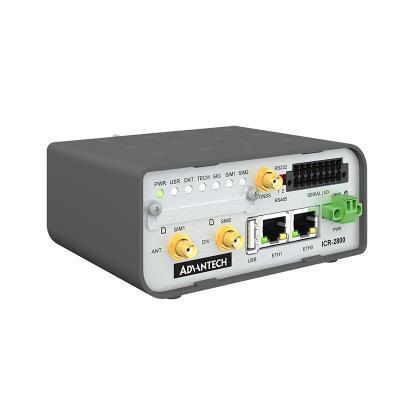
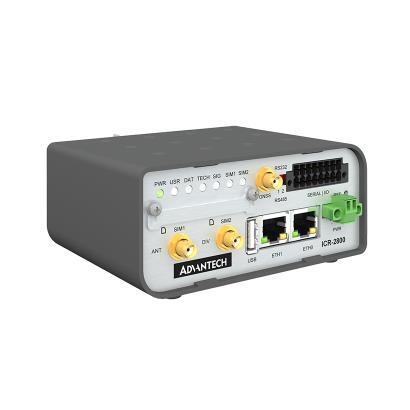
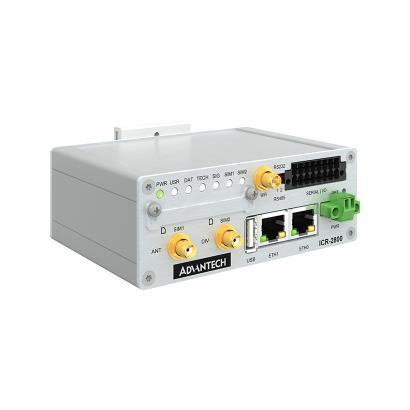
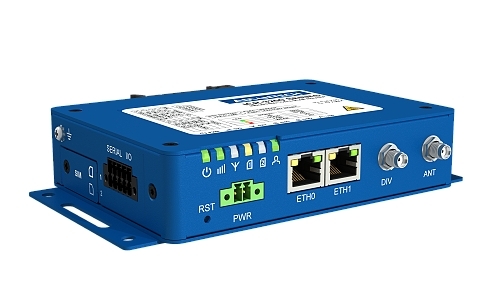
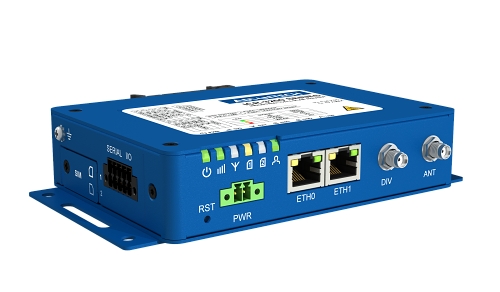
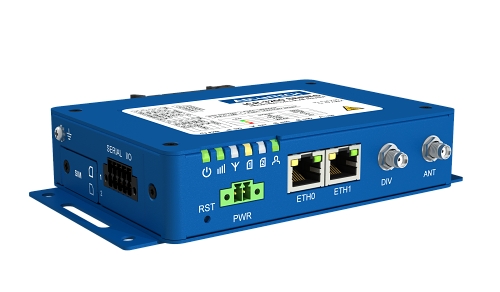
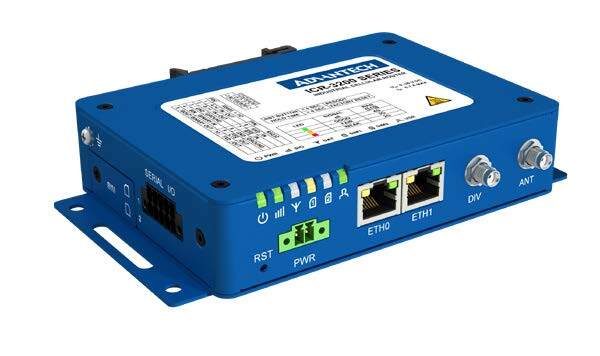
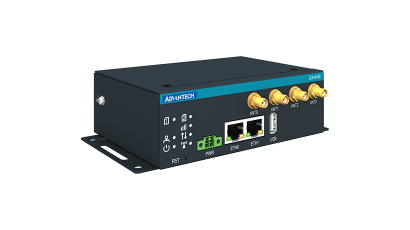
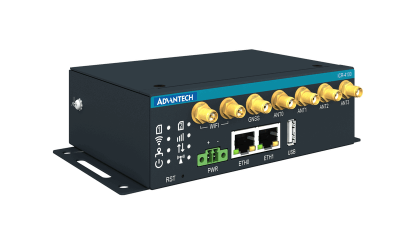
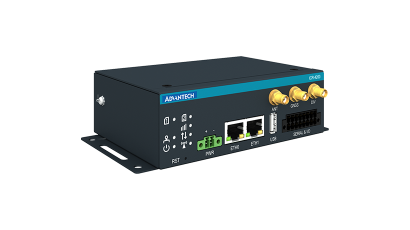
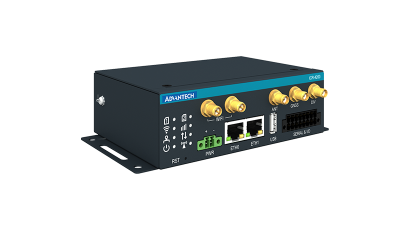
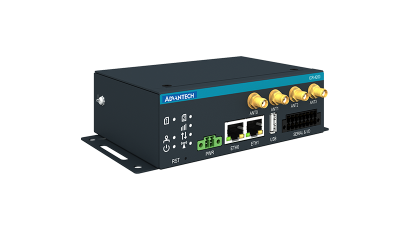
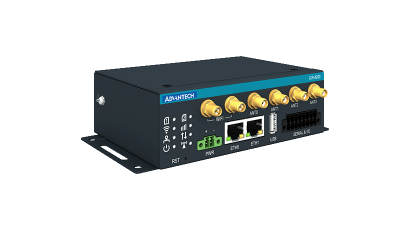
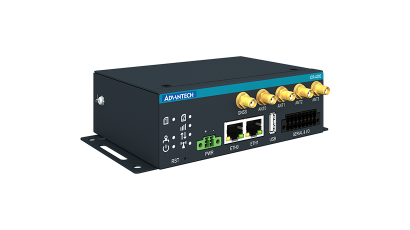
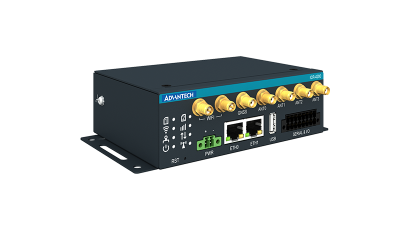
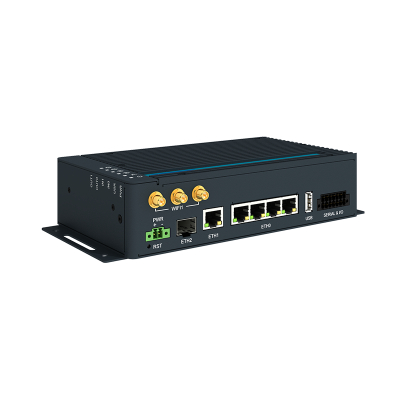
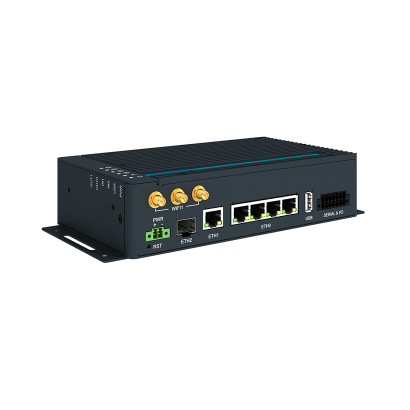
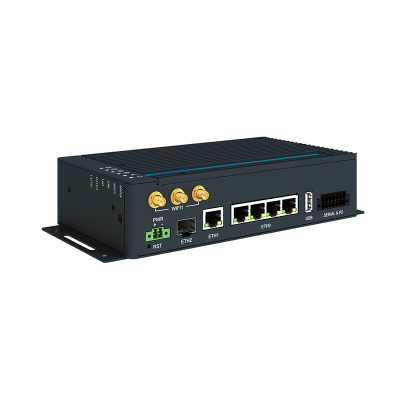
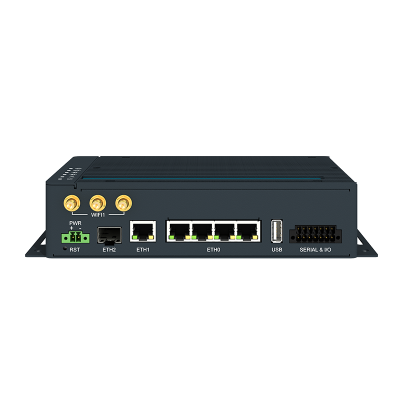
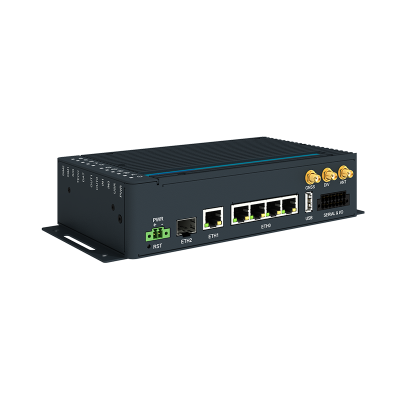
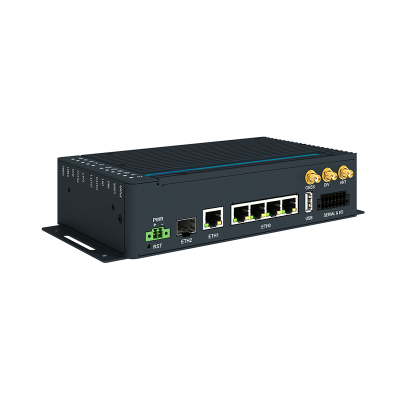
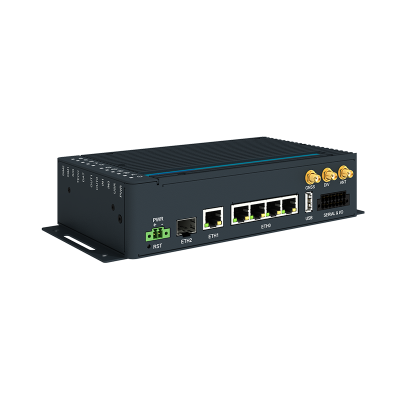
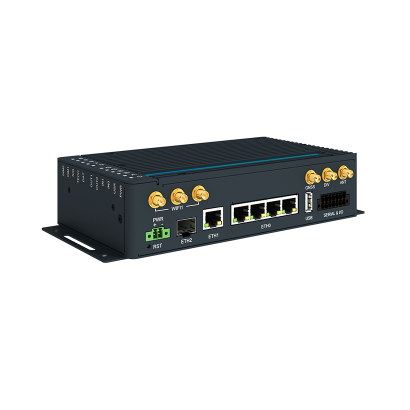
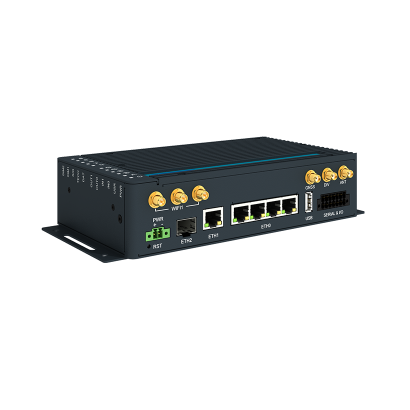
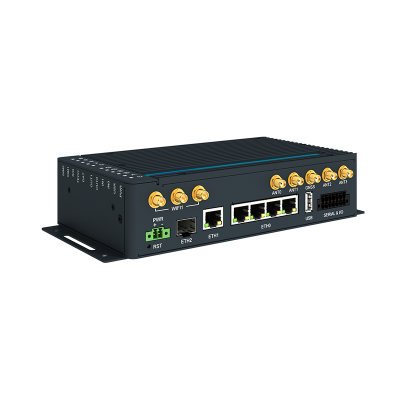
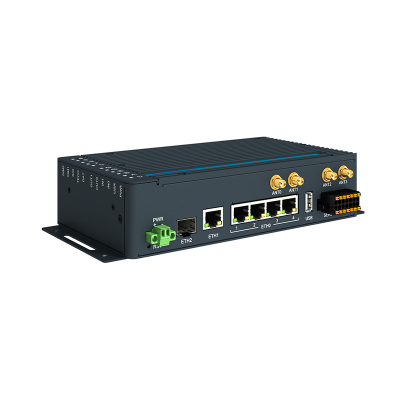
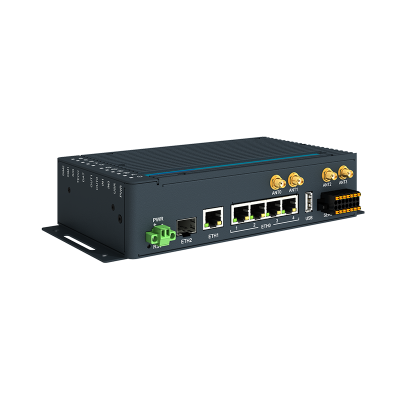
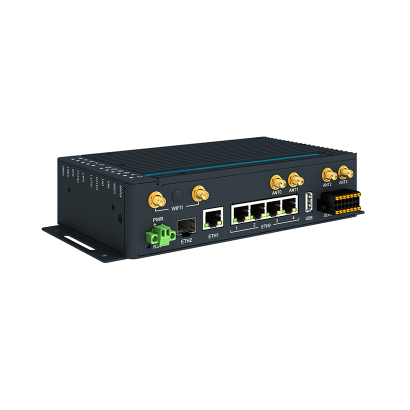
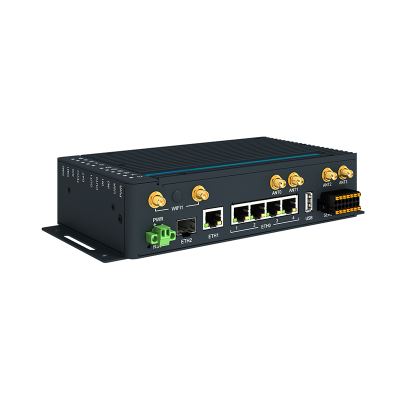
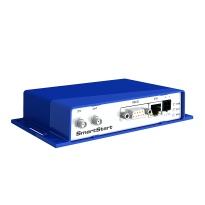
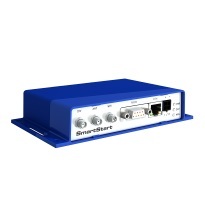
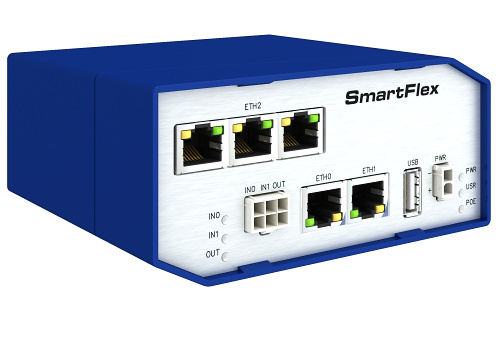
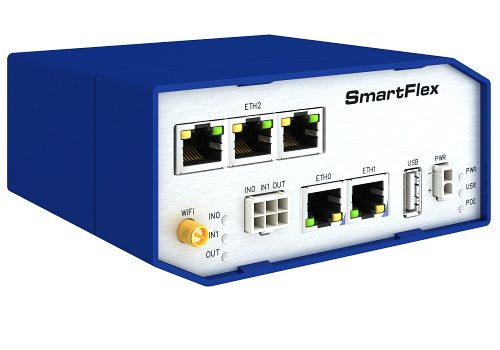
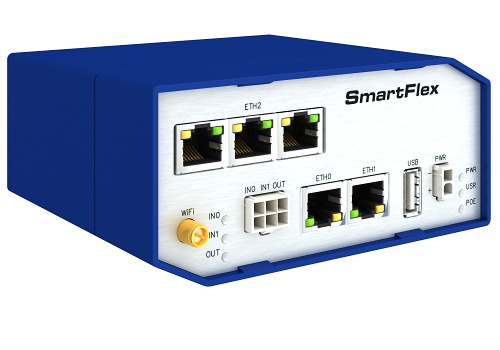
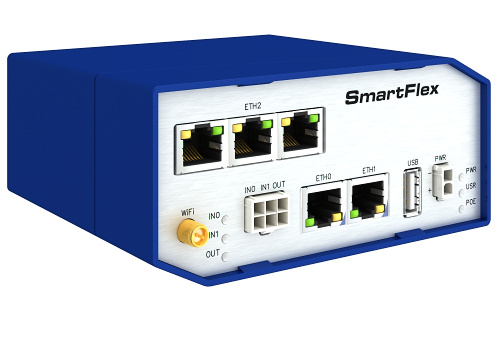
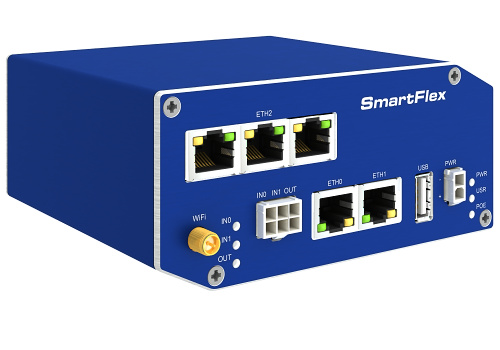
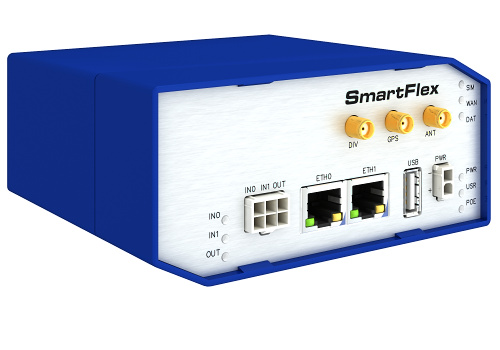
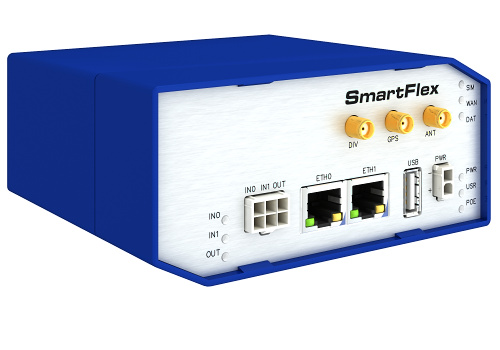
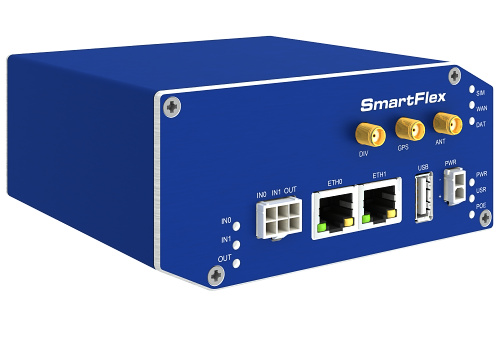
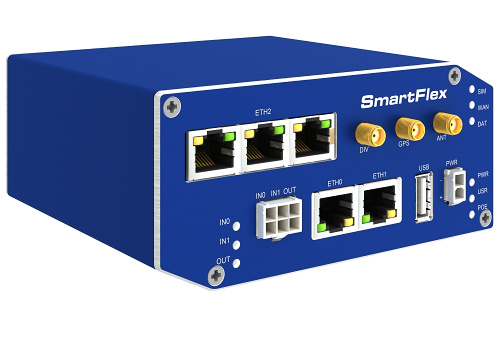
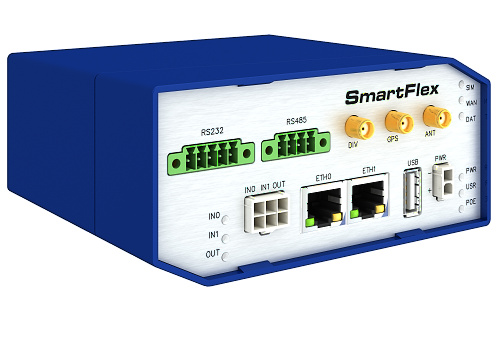
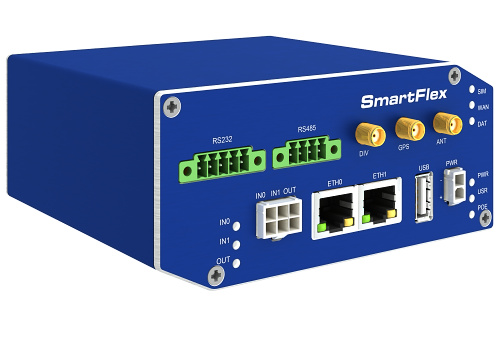
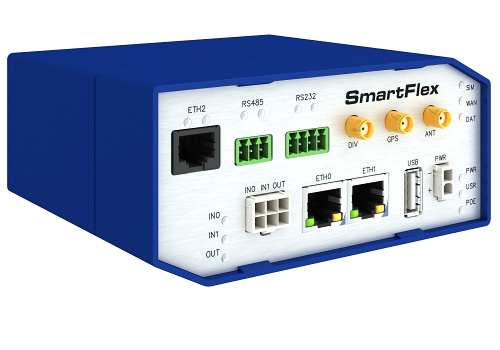
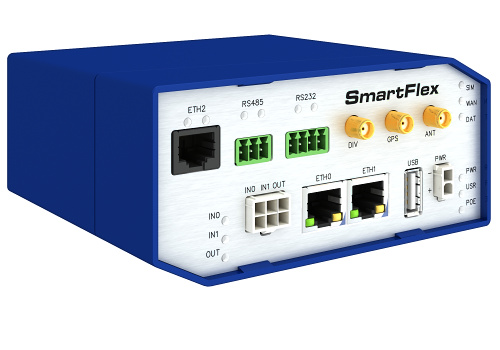
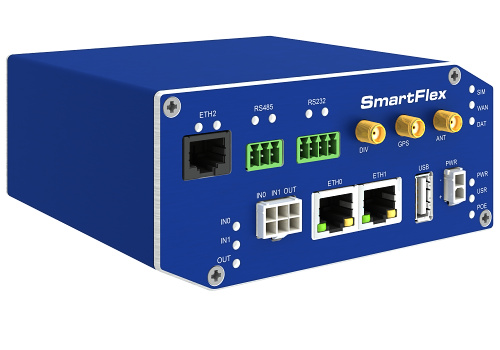
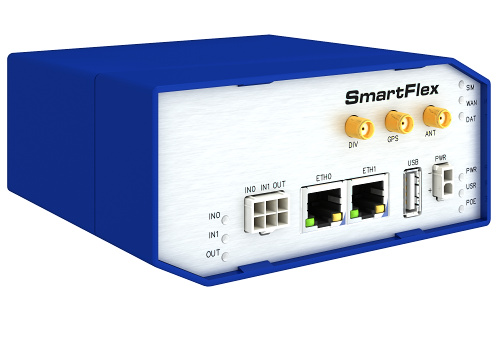
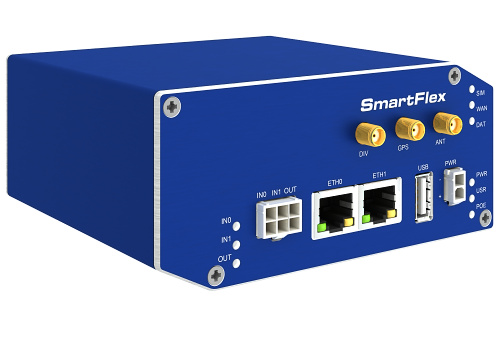
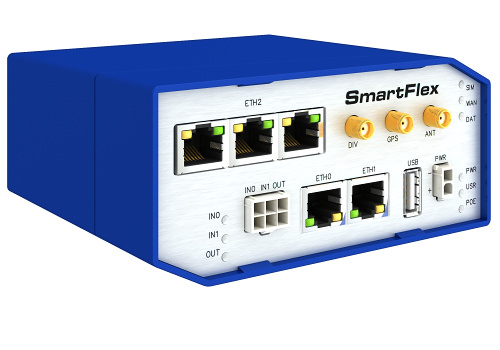
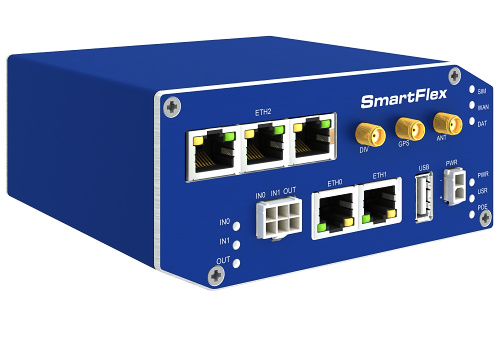
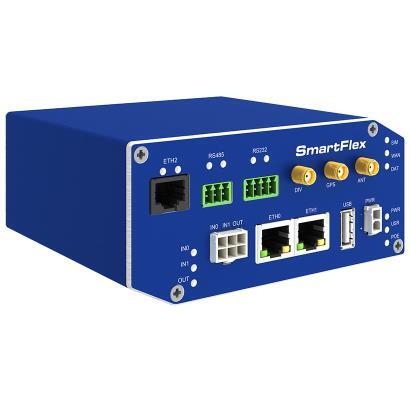
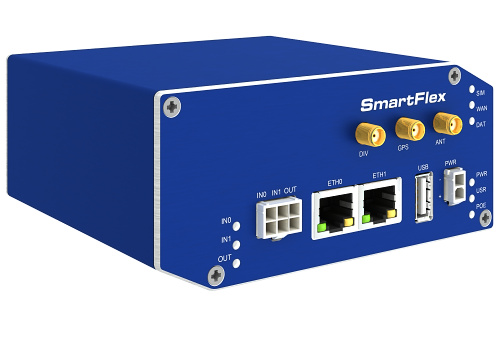
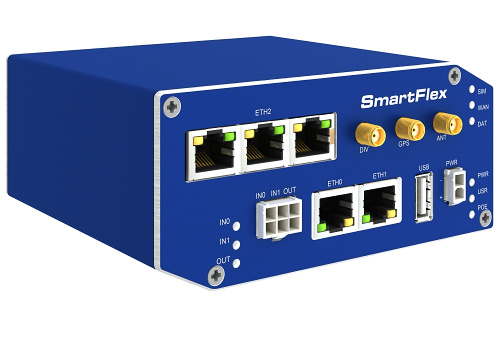
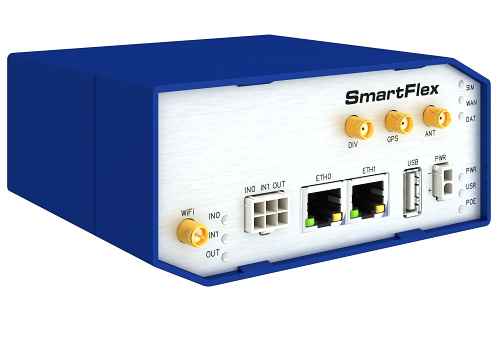
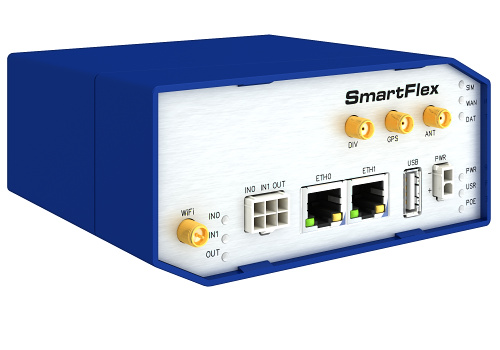
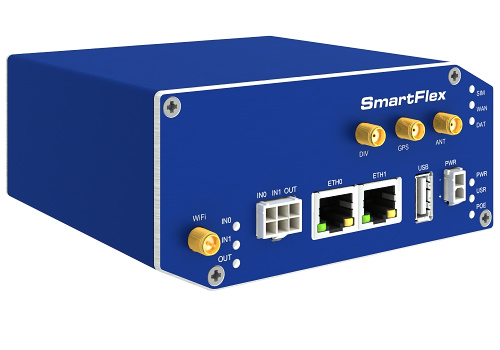
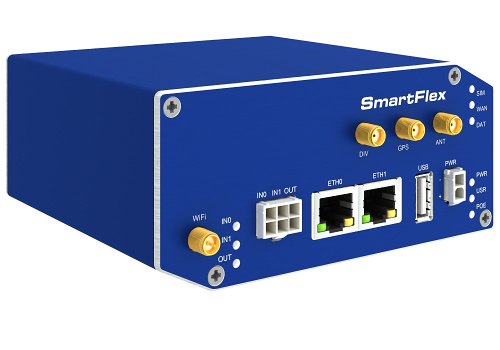
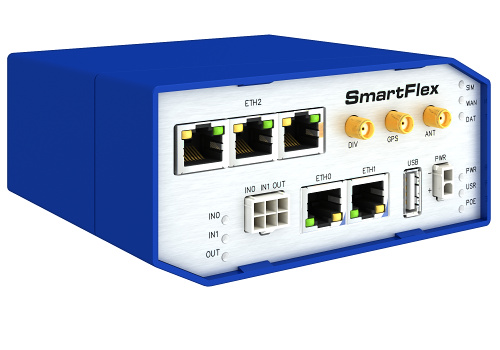
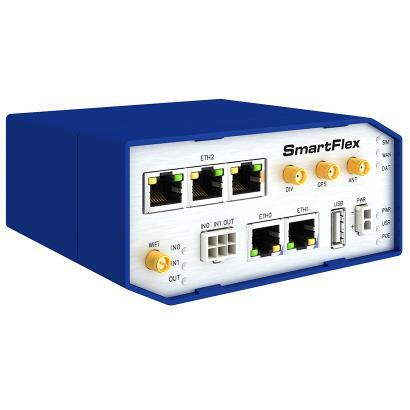
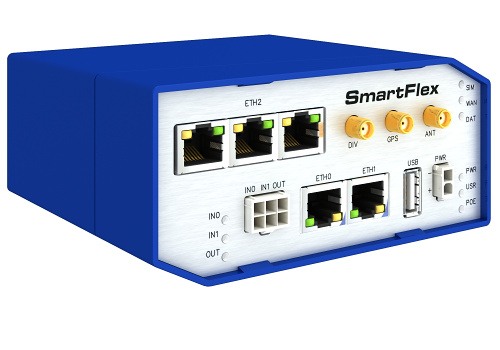
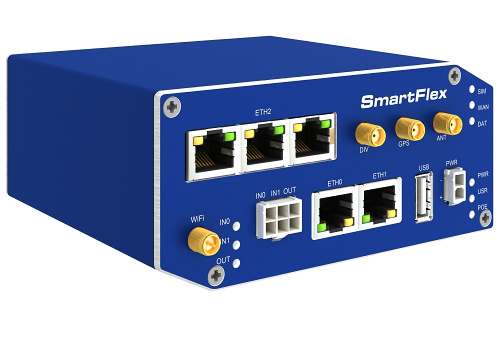
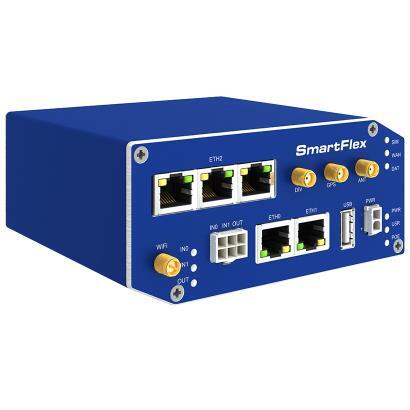
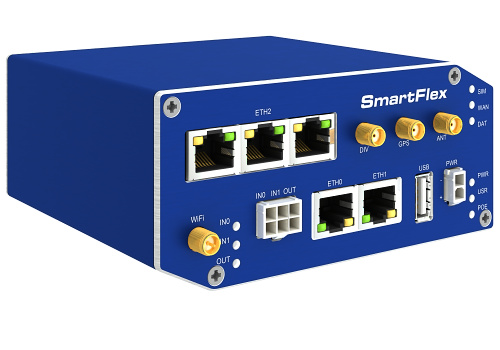
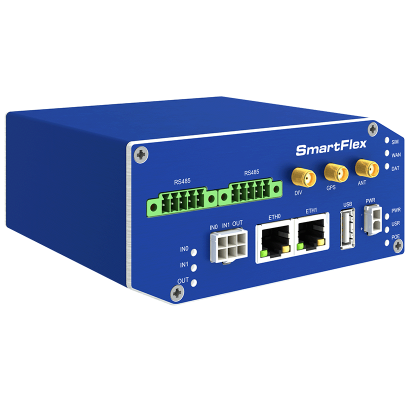
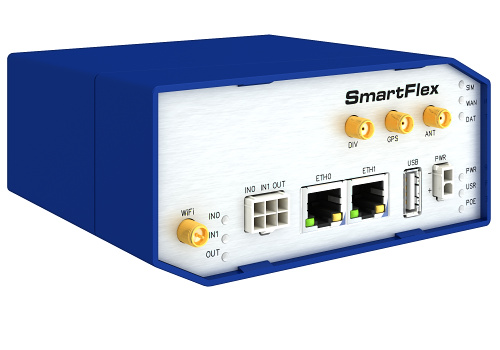
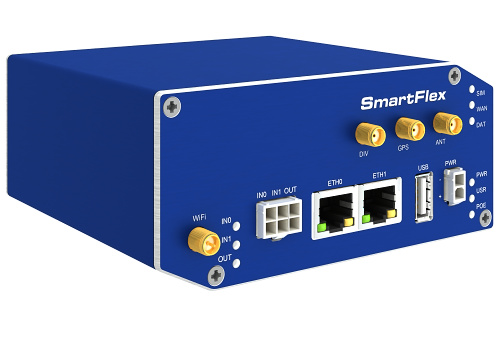
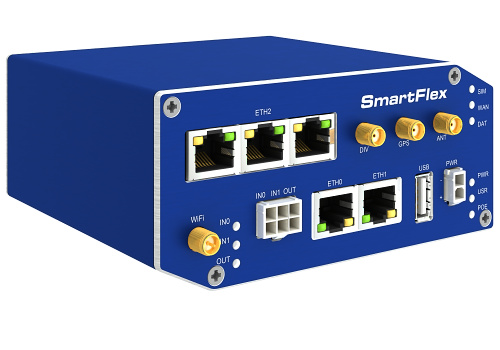
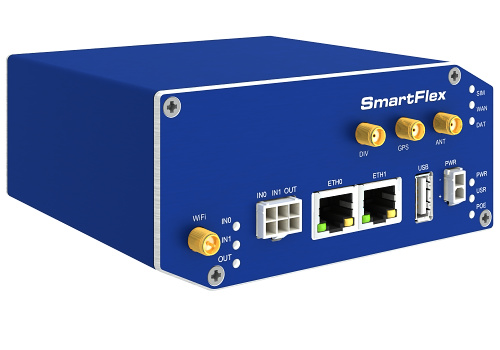
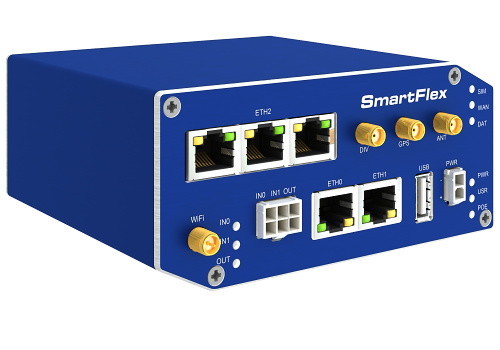
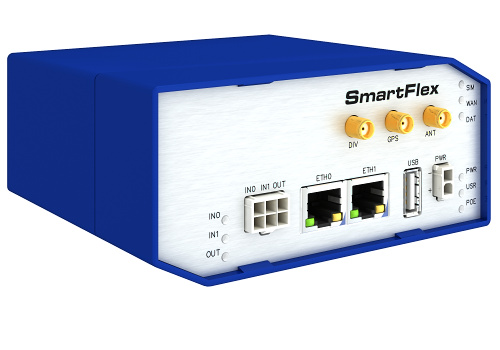
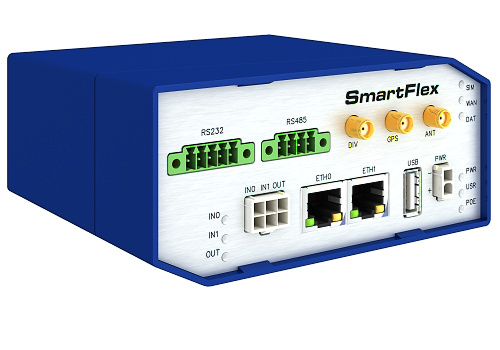
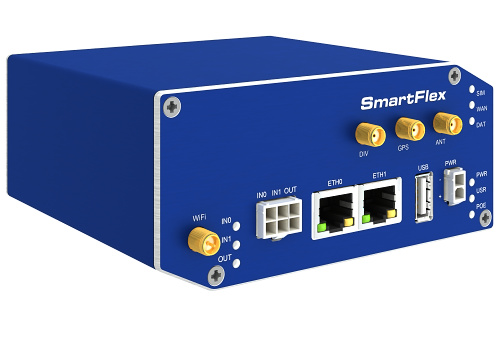
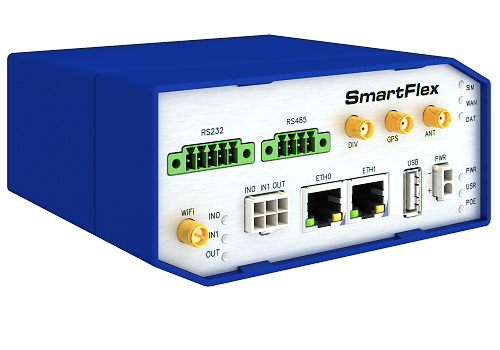
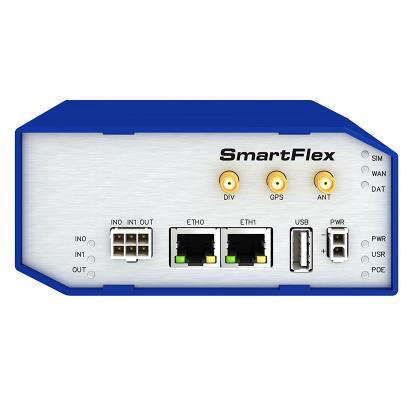
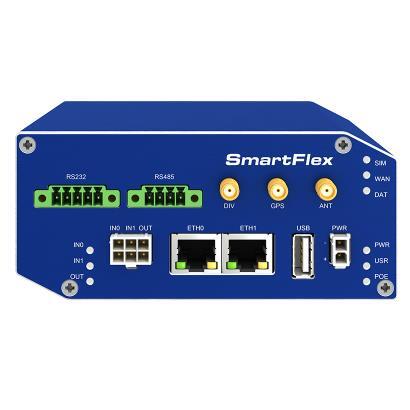
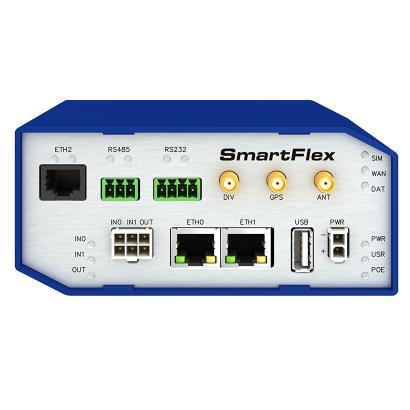
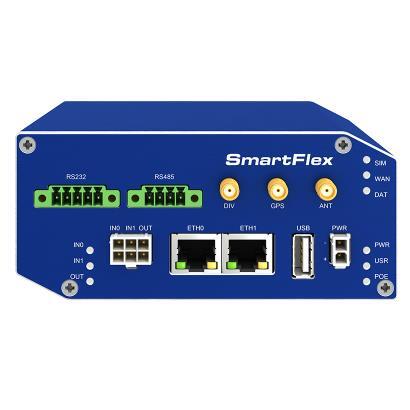
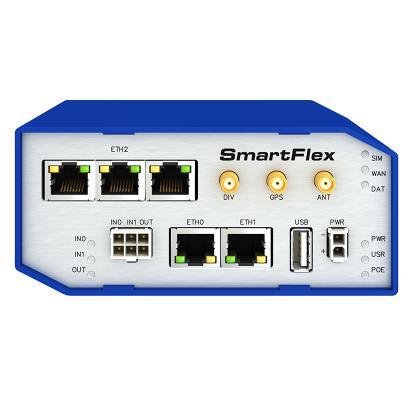
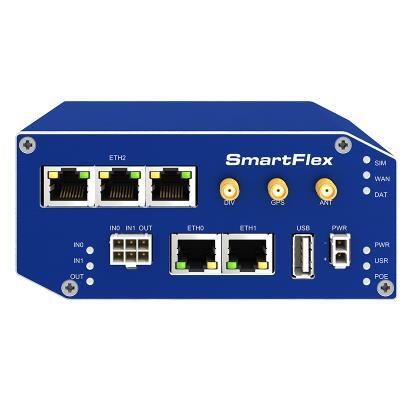
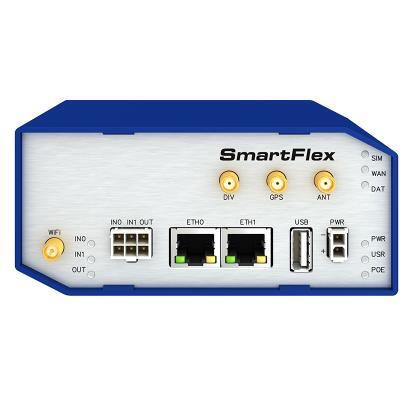
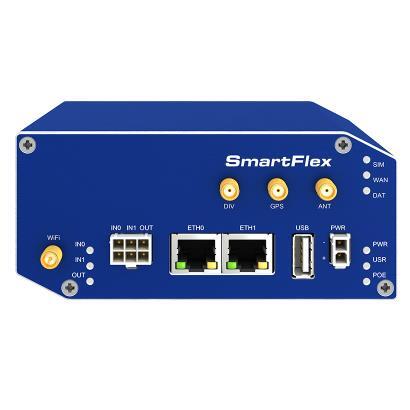
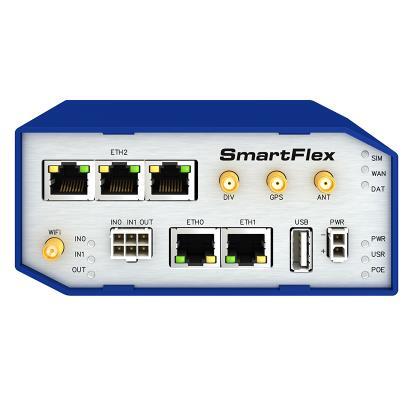
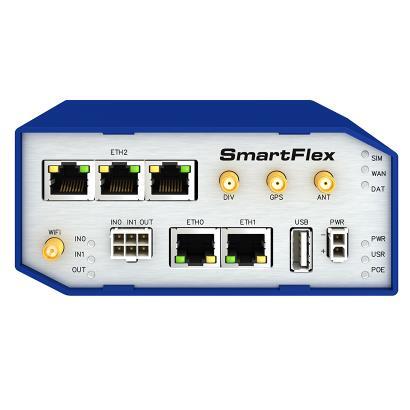
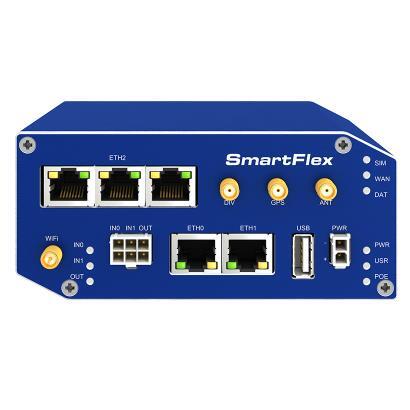
Industrial router
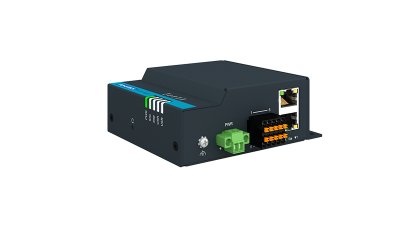
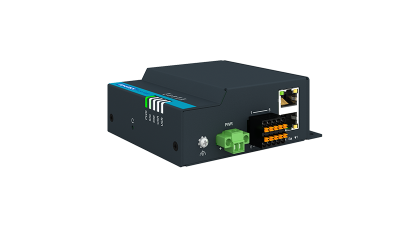
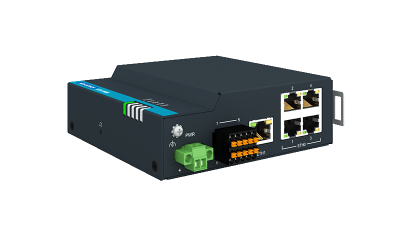
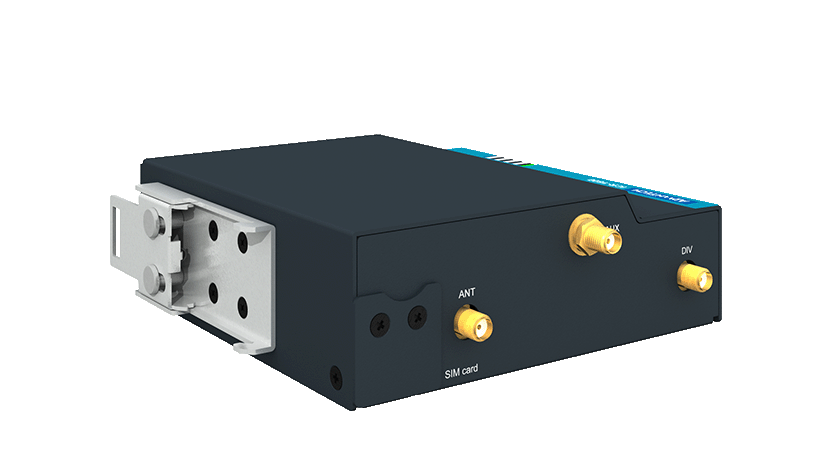
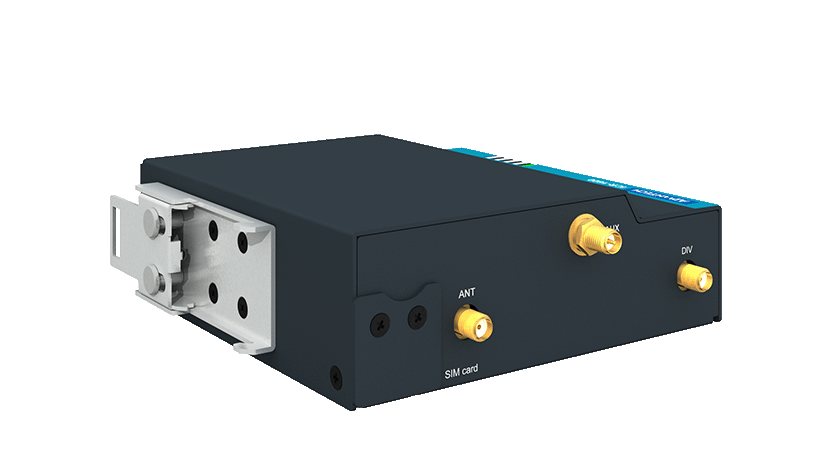
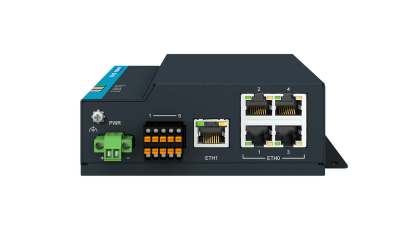
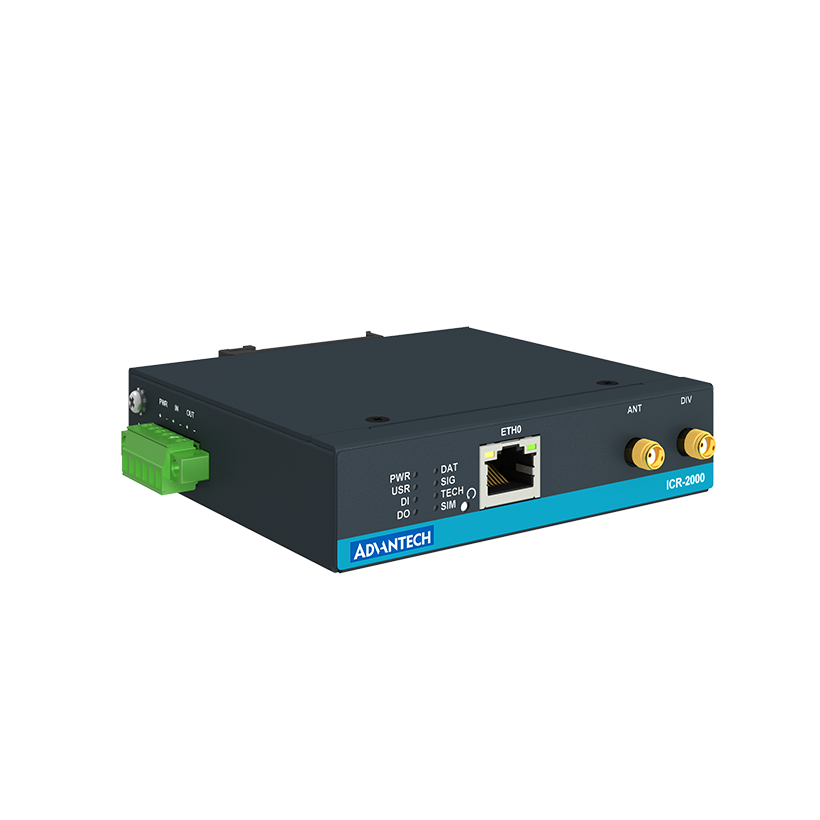
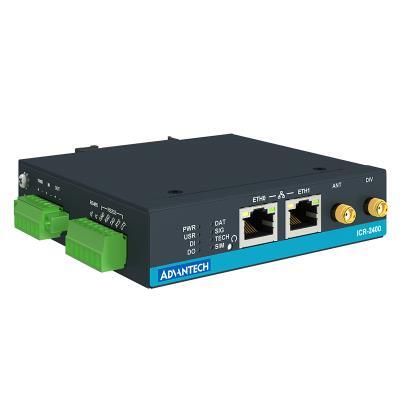
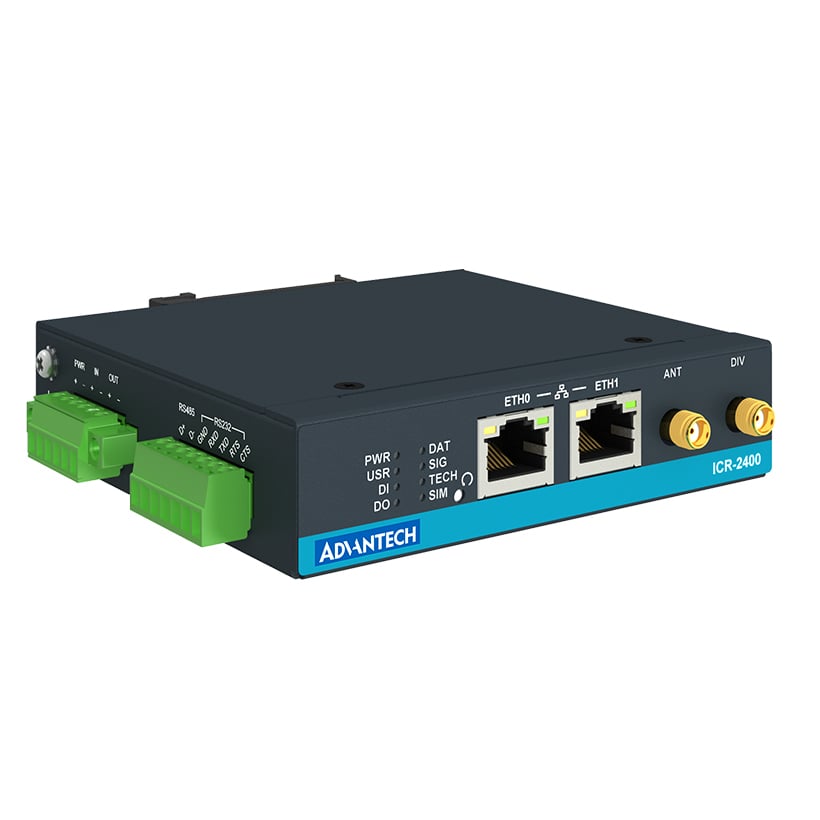
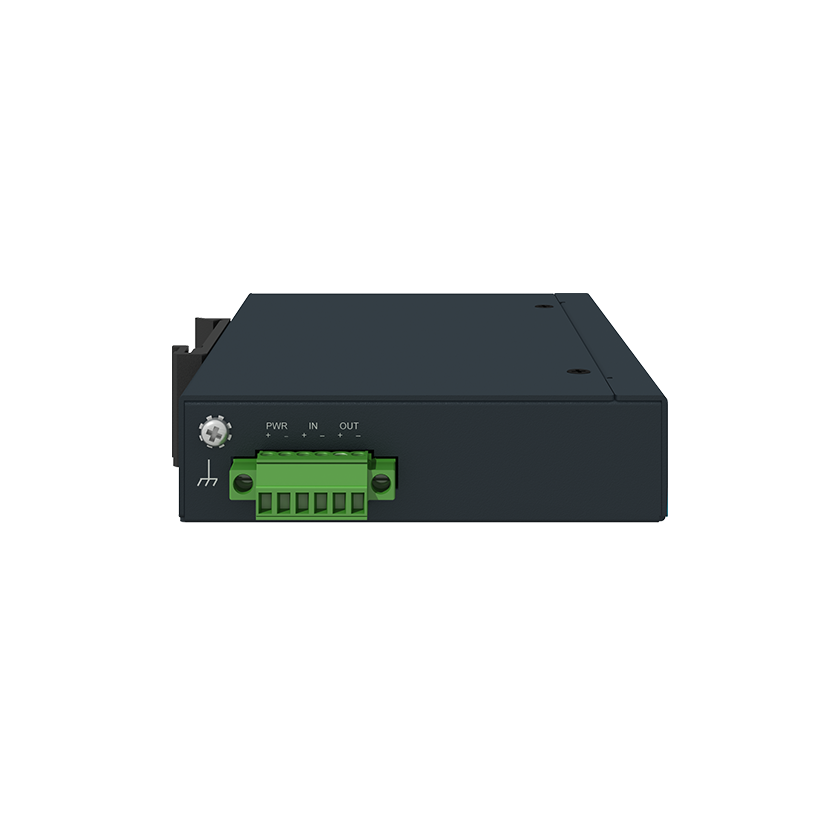
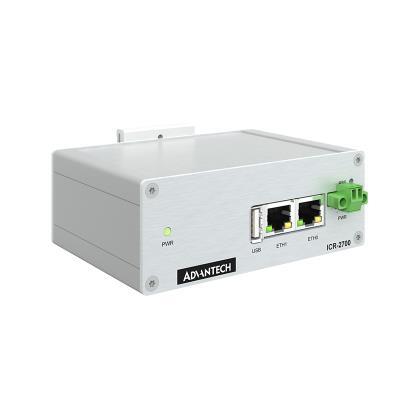
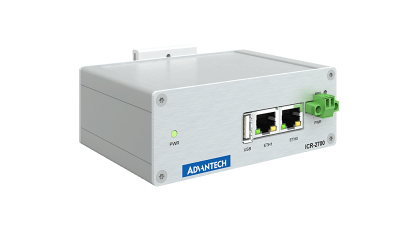
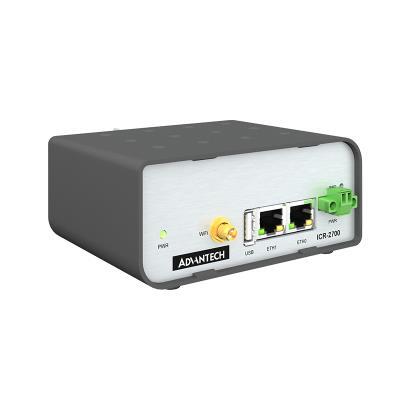
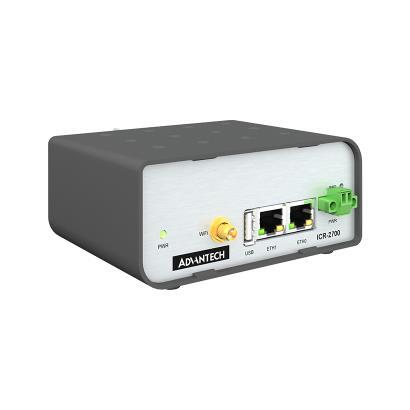
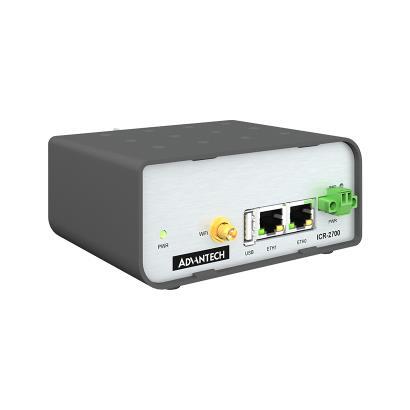
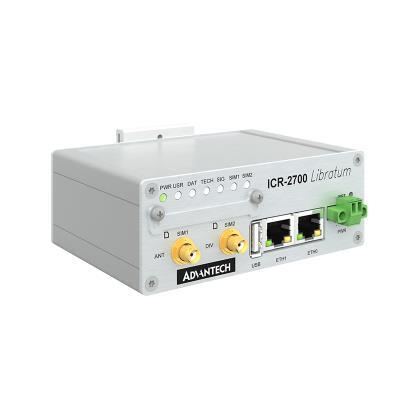
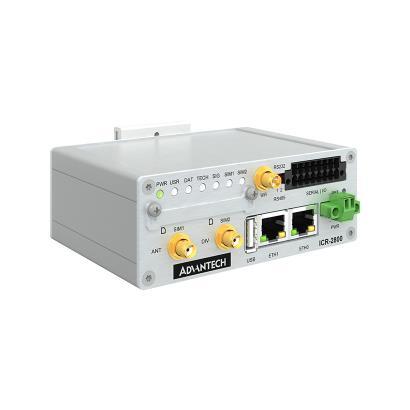
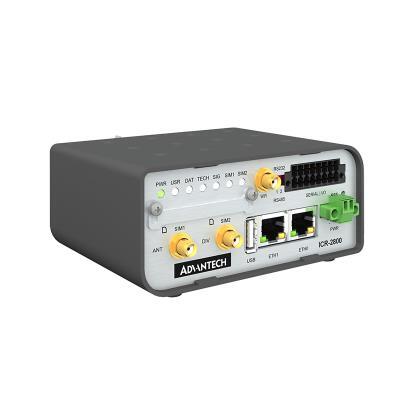
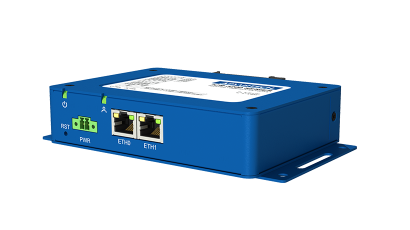
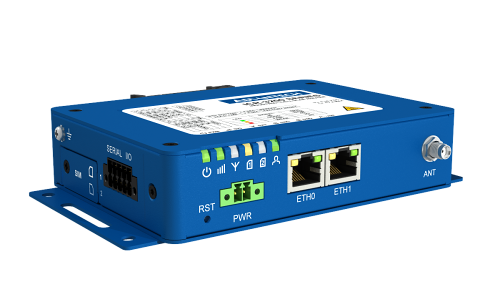
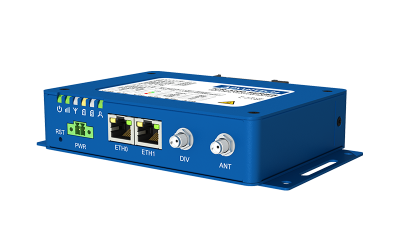
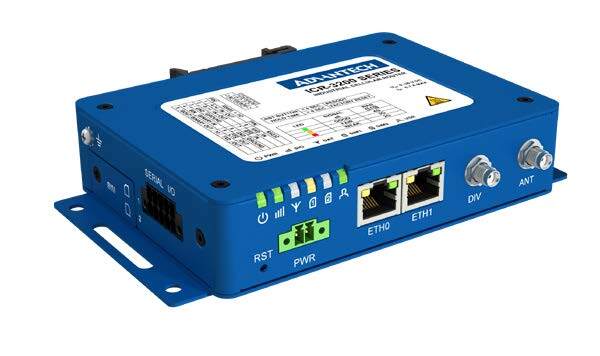
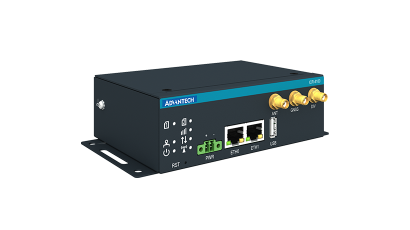
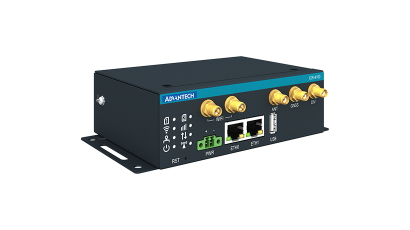
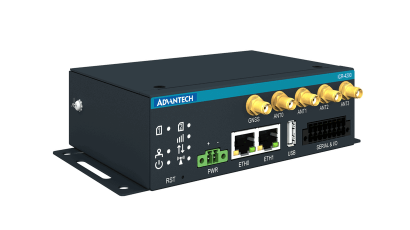
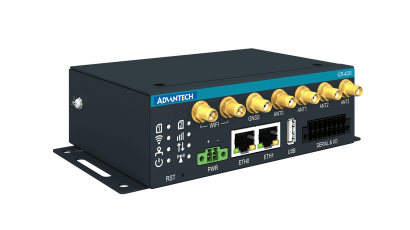
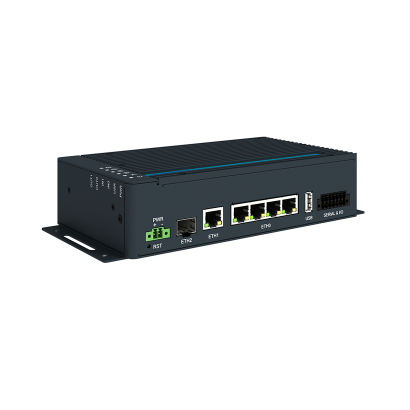
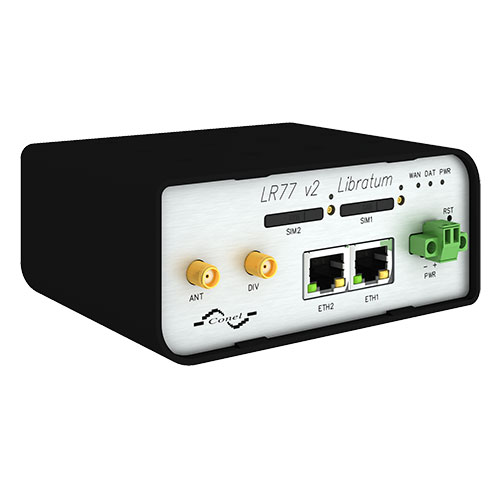
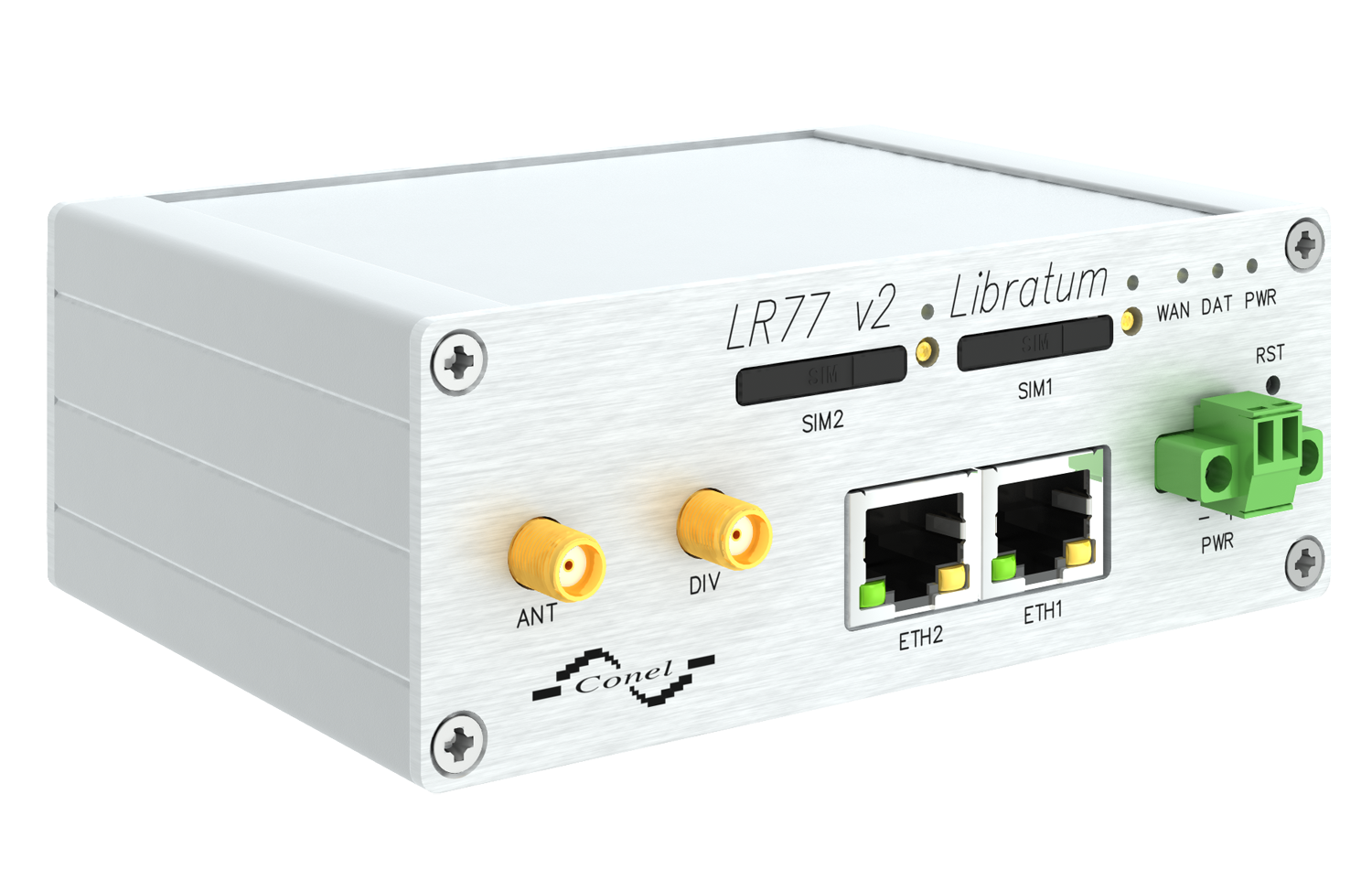
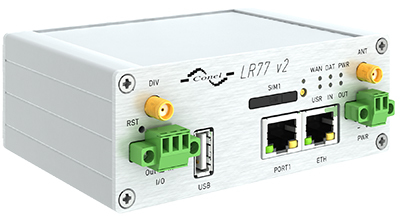
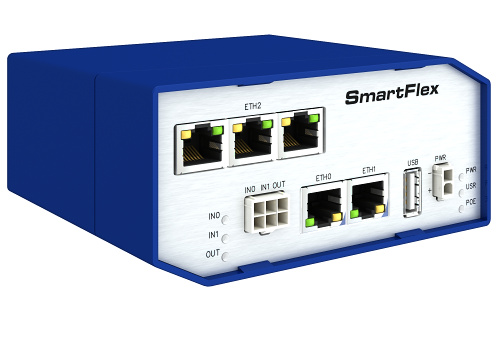
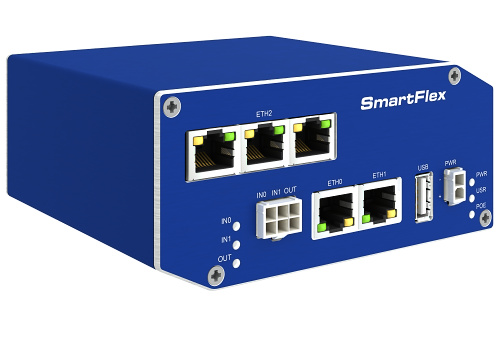
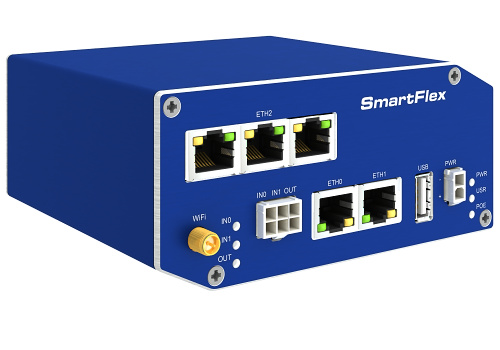
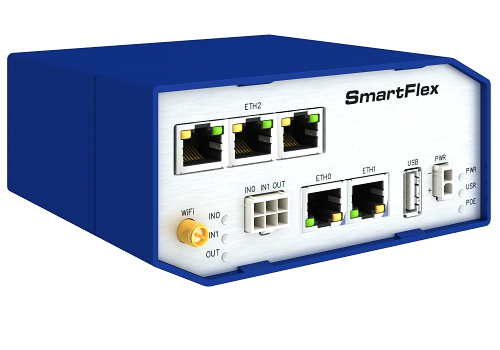
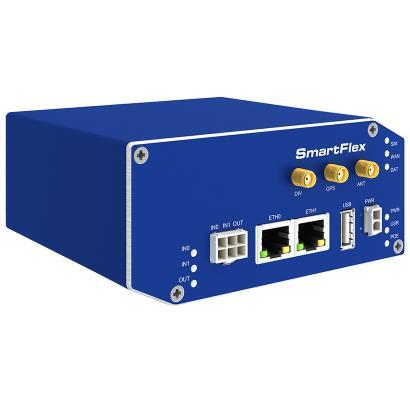
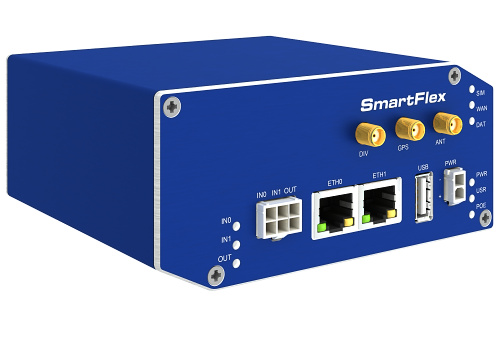
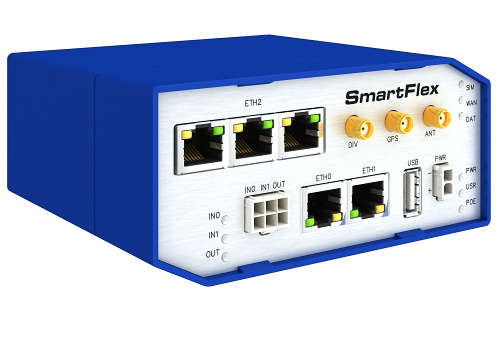
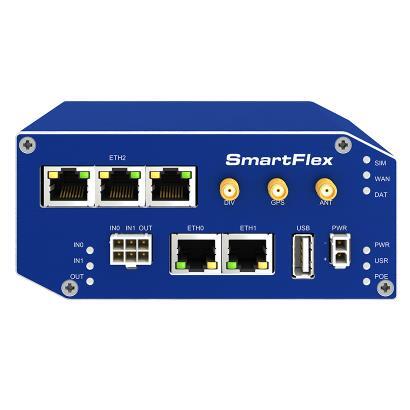
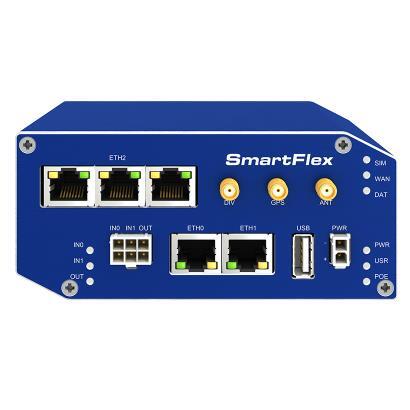
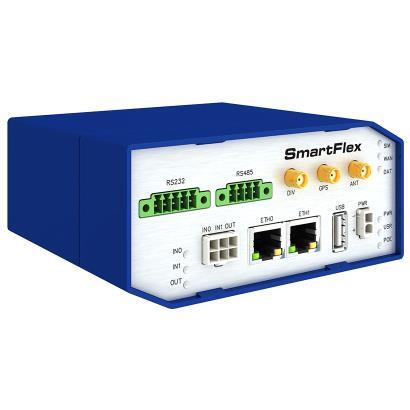
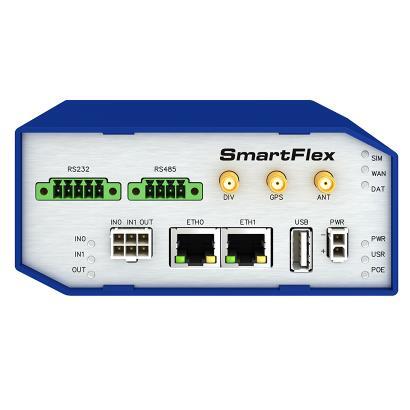
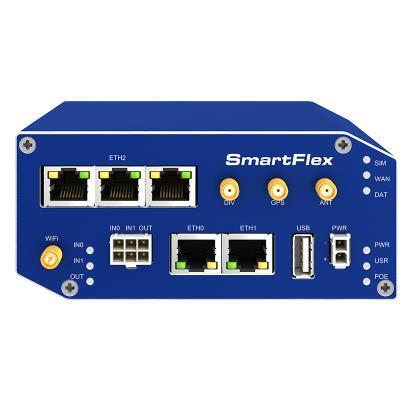
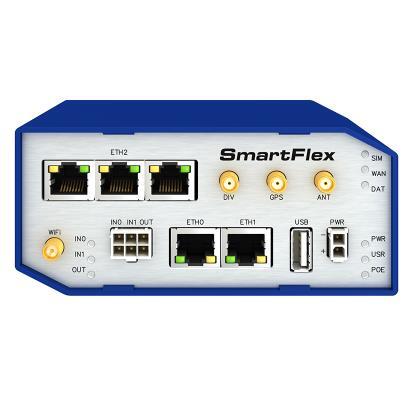
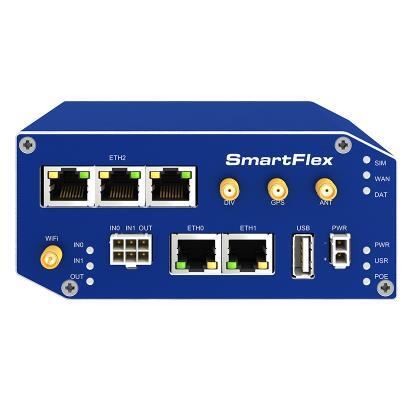
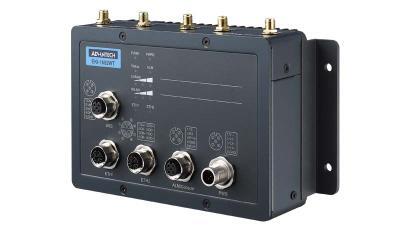
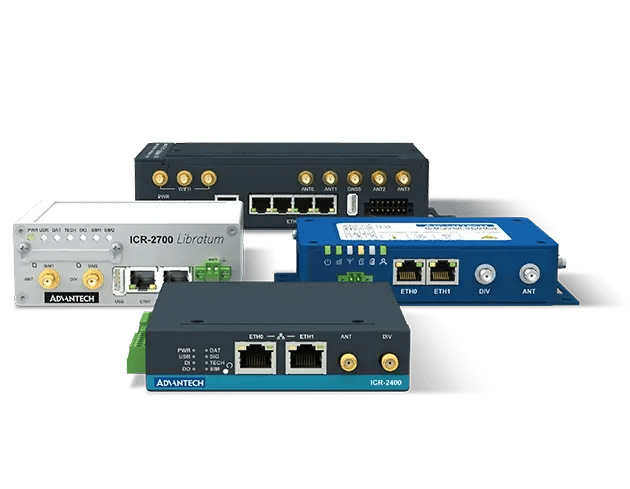
An industrial router is a piece of network equipment designed to operate in demanding environments (extreme temperatures, vibrations, humidity). It connects machines, PLCs and industrial systems to the Internet or to a secure private network.
At Factory Systemes, we offer a complete range of 4G, 5G and Ethernet industrial routers for mission-critical applications: remote supervision, industrial IoT (IIoT), remote maintenance and M2M infrastructures.
Network resilience
Connectivity redundancy
Filters
Industrial routers: network robustness and reliable connectivity at the heart of your installations
What is an industrial router?
Technical specifications of our Advantech industrial routers
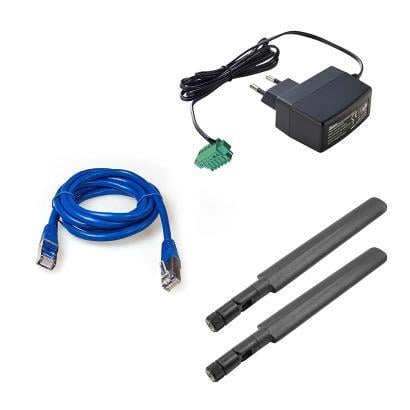
Capabilities and options for your installations
Advantech industrial routers incorporate advanced features to meet the demands of critical industrial environments. They provide reliable, secure and continuous connectivity for supervision, industrial IoT and remote maintenance applications. Find out more about the available options:
Robustness and environment
Designed to operate in demanding industrial environments, these devices guarantee optimum resistance to physical and climatic constraints.
- Operating temperature : -40°C to +75°C
- Vibration and shock resistance
- Protection class: IP30 to IP67
- Certifications : ATEX/C1D2, EN50155, IEC 62443
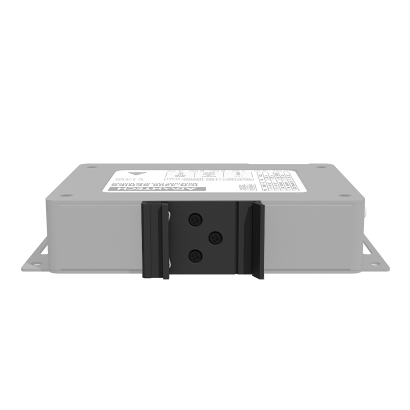
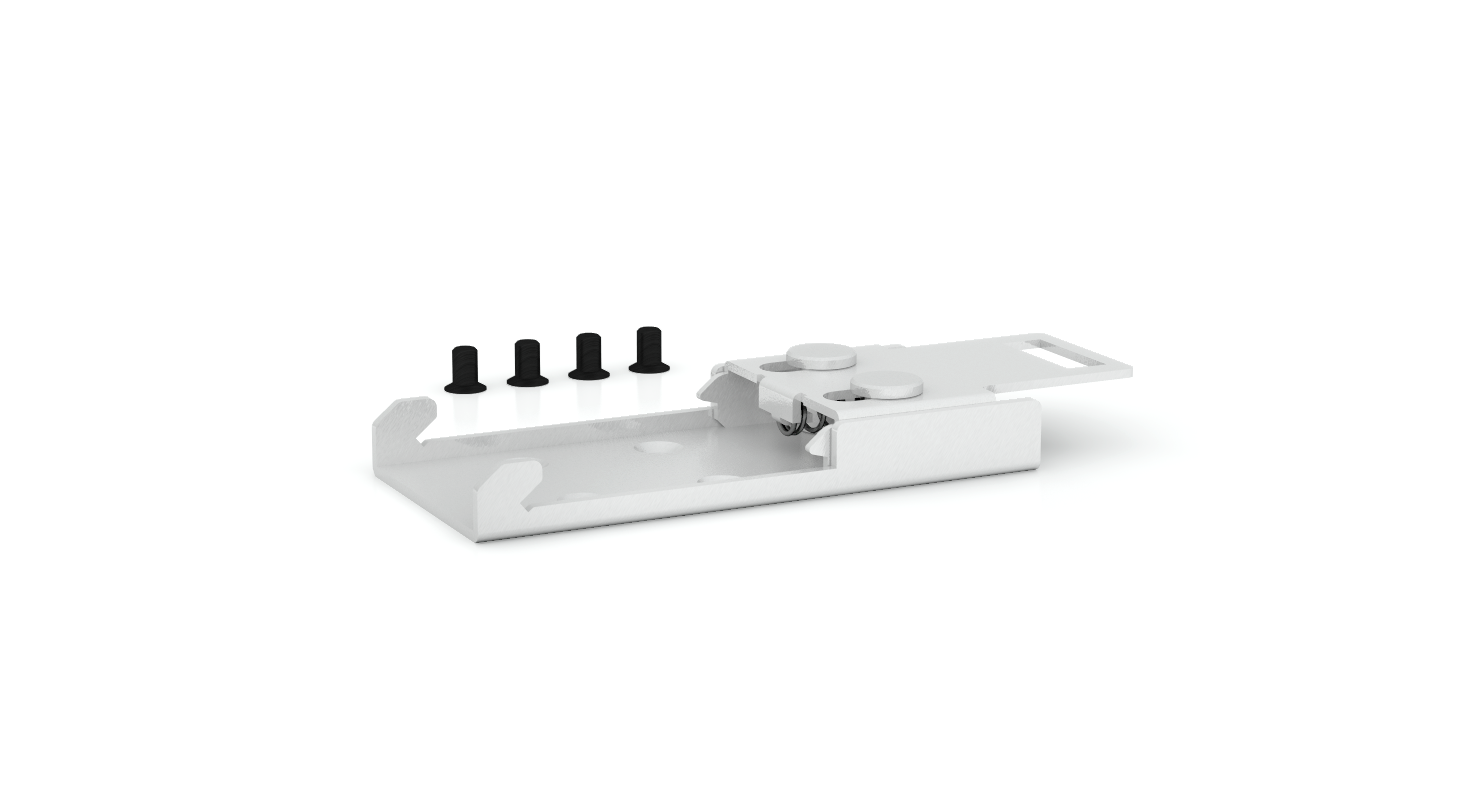
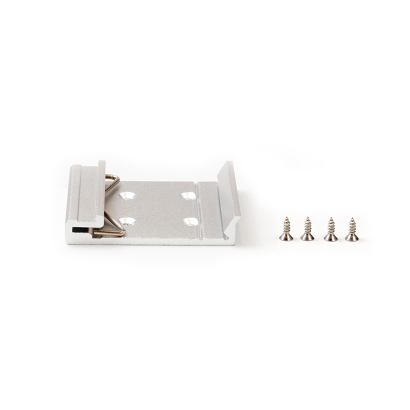
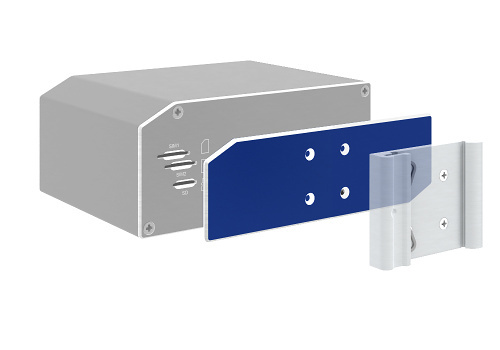
- DIN rail mounting for cabinet integration
-> See models
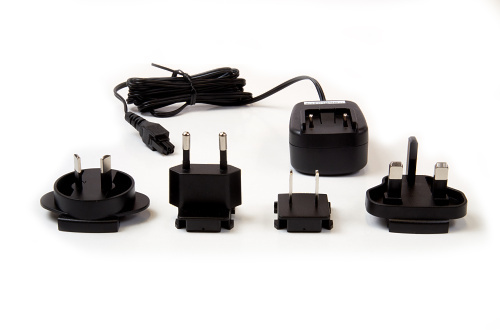
Reliable power supply
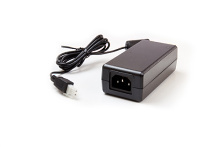
Advantech's industrial routers are designed to integrate easily into a variety of electrical infrastructures, while ensuring continuity of service.
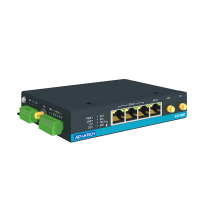
- Extended power supply range (9 to 60V DC)
- Overvoltage and reverse polarity protection
- Optimized power consumption for stand-alone installations
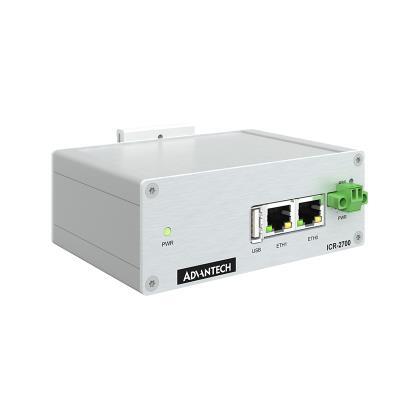
⇒ Guarantees stable operation even in the event of electrical disturbances.
Industrial network connectivity
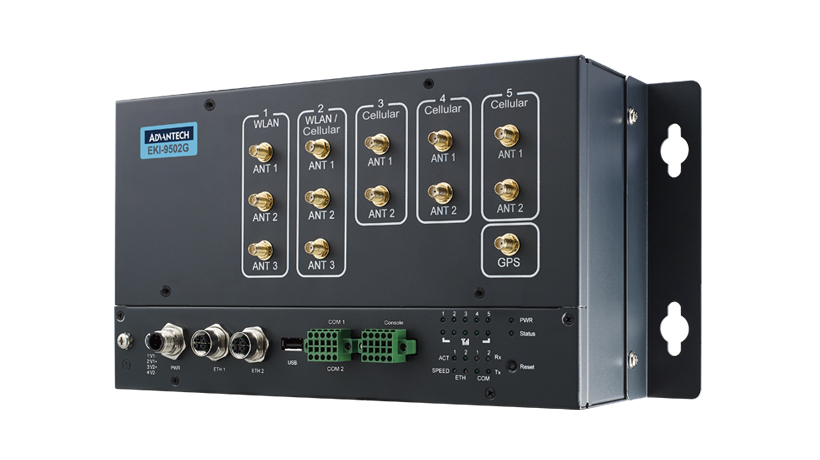
To ensure reliable communication between your equipment and systems, industrial routers integrate several network technologies adapted to IoT and IoT environments.
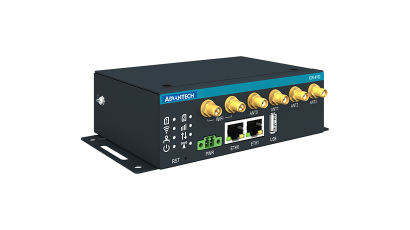
- 4G LTE (Cat 4, Cat 6, Cat 20)
- 5G NR (NSA / SA)
- Industrial WiFi (802.11ac / WiFi 5)
- Industrial Bluetooth (BLE)
- GNSS (GPS / Galileo / GLONASS)
- Ethernet (LAN/WAN)
⇒ Enables remote supervision, IoT data feedback and SCADA system connectivity.
Redundancy and high availability
Industrial routers ensure continuity of service thanks to advanced network redundancy mechanisms.
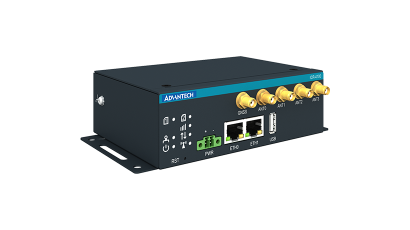
- Dual SIM with automatic failover
- Multi-WAN (cellular + Ethernet)
- Link monitoring (ping watchdog)
- Automatic reconnection
⇒ Ensures continuous connectivity even in the event of network or operator failure.
Industrial network security
Our industrial routers protect your networks against intrusions and cyberthreats. Essential security to preserve the integrity of industrial data and maintain business continuity.
- VPN: IPsec, OpenVPN, WireGuard
- Configurable stateful firewall
- User access management
- Data encryption
⇒ Secure remote access and communications between IT and OT systems.
Industrial protocols supported
Our Advantech industrial routers ensure compatibility with the main protocols used in industrial environments and automation systems.
- Modbus TCP
- Profinet
- EtherNet/IP
- OPC UA
⇒ Facilitates integration with PLCs, sensors and SCADA systems.
Industrial router applications
Industrial routers provide reliable, secure connectivity forIndustry 4.0 and industrial IoT, with concrete sector applications:
Industry: PLC/SCADA supervision of production lines.
Energy: management of isolated substations and Smart Grid.
Transport: on-board connectivity for vehicles and infrastructures.
Logistics: automated warehouse tracking.
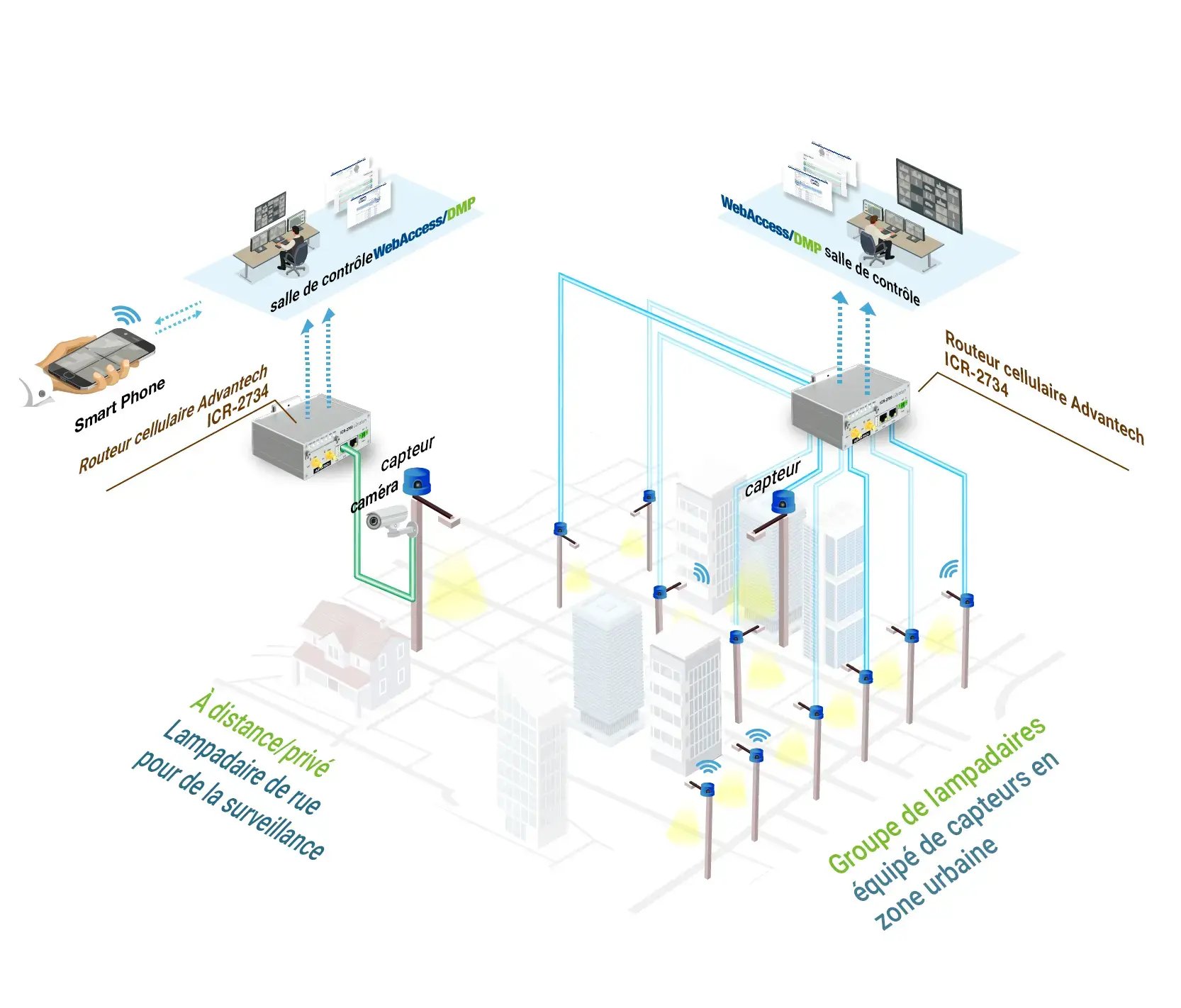
Smart City: collection and control of urban sensors.
Construction: communication on remote sites.
Critical environments: system continuity under extreme conditions.
Secure your industrial routers with VPN Cluster
How to choose your industrial router
Specifications to check before buying your industrial router
Before selecting industrial communications equipment, it's crucial to consider several technical criteria, to guarantee reliable, long-lasting performance in demanding environments:
Connectivity to suit your infrastructure
The type of connectivity needs to be tailored to your network architecture and deployment environment. Cellular solutions 4G LTE (Cat 4, Cat 6, Cat 20) are ideal for isolated or temporary sites, while 5G (NSA/SA) offers high data rates and low latency for mission-critical applications and industrial IoT. Ethernet connections (LAN/WAN) guarantee maximum stability for internal networks or fixed installations.
⇒ The choice depends on your network availability, data volume and installation constraints.
Industrial certifications and compliance
Industrial routers must comply with strict standards to ensure reliability and safety in demanding environments. CE guarantees European conformity, EN50155 resistance in railway applications, ATEX use in explosive zones, IEC 61850 electrical networks, and EMC operation without electromagnetic interference.
⇒ These certifications guarantee that equipment is suitable for specific uses and meets the safety, robustness and compatibility requirements of industrial infrastructures.
Security: VPN, firewall, network segmentation
Securing communications is a major challenge for industrial networks. Routers must integrate advanced features such as VPN (IPsec, OpenVPN, WireGuard), configurable firewall and network segmentation (VLAN) to isolate flows and protect IoT infrastructures against cyber threats.
⇒ The right security protects industrial data and remote access.
Compatibility: industrial protocols used
The router must be compatible with the protocols used in your industrial infrastructure. Protocols such as Modbus TCP, Profinet, EtherNet/IP or OPC UA enable communication between PLCs, sensors and SCADA systems.
-> Find out more about industrial networking
Environment: temperature, vibrations, outdoor conditions
Equipment must be capable of operating in sometimes extreme industrial conditions. A wide temperature range (e.g. -40°C to +75°C), resistance to vibration and shock, and a suitable degree of protection (IP30 to IP67) are essential to ensure reliability on site.
⇒ Equipment adapted to its environment limits breakdowns and guarantees continuity of service.
Availability: SIM redundancy, multi-WAN
To guarantee continuous connectivity, redundancy mechanisms are essential. Dual SIM redundancy enables automatic switching between operators in the event of network loss, while multi-WAN combines several connections (cellular and wired) to ensure continuity of service.
⇒ These features are essential for mission-critical applications and remote sites.
FAQ - Industrial routers
An industrial router is designed to operate in extreme environments and offers advanced security and reliability features.
Remote machine monitoring, fleet management, automation, SCADA supervision, industrial IoT (IIoT), critical data transmission...
Over 10 years on average, depending on environment and intensity of use.
There are three types of industrial router: wired, WiFi and 4G/5G.
Yes, most are designed to withstand outdoor conditions (temperature, humidity, dust).
A 4G or 5G router with support for industrial protocols and advanced security features is recommended.
SIM redundancy enables an industrial router to automatically switch from one SIM card to another in the event of network loss or operator failure. This guarantees continuous connectivity, essential for remote maintenance, IoT data feedback or remote control of industrial equipment. It reduces the risk of downtime and ensures the reliability of critical systems.
- 5G NSA (Non-Standalone): uses the existing 4G infrastructure to manage signaling and certain network functionalities, while providing higher data rates and reduced latency.
- 5G SA (Standalone): relies entirely on the 5G network for signaling and transmission, offering minimal latency, maximum throughput and advanced functionalities (slicing, massive IoT).
The choice between NSA and SA depends on available network coverage and industrial requirements for performance and reliability.
- Modbus TCP: simple, widely used protocol for communication between PLCs, sensors and SCADA systems over Industrial Ethernet.
- Profinet: real-time Ethernet protocol for industrial automation, suitable for applications requiring precise synchronization and high reliability.
An industrial router with SIM redundancy ensures continuous, reliable connectivity, even in the event of operator failure or network loss. This functionality is essential for :
- remote maintenance of PLCs and industrial sensors
- Secure transmission of IoT data to the cloud or SCADA systems
- Continuity of critical processes, reducing the risk of downtime at remote or isolated sites
Choosing a SIM-redundant router means ensuring that your industrial networks remain operational, secure and efficient, even in the most demanding environments.