.svg)
.svg)
Edge High availability
System redundancy
24/7 availability

Filters
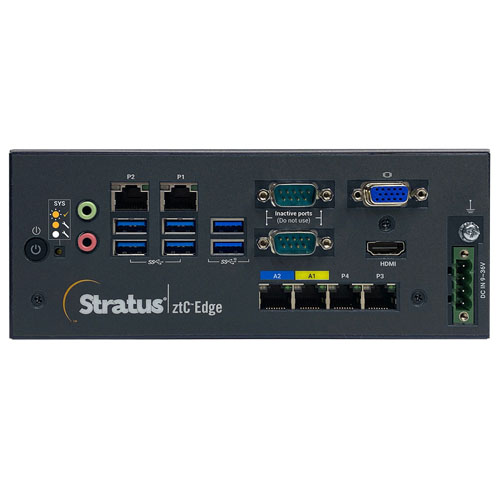
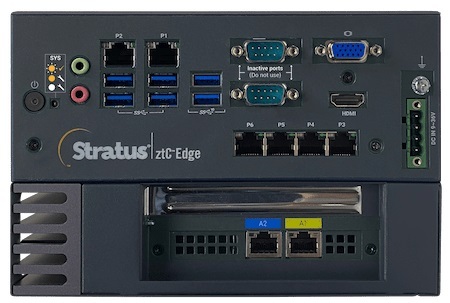
Why high availability is essential in industry
In industrial environments, every minute of downtime can represent a significant loss in both productivity and sales. High availability ensures the continued operation of critical systems, even in the event of failure. Combined with fault tolerance, it enables your infrastructure to maintain uninterrupted operations, based on redundant, automated systems.
Guaranteeing service continuity
Securing production processes
Avoid unexpected interruptions
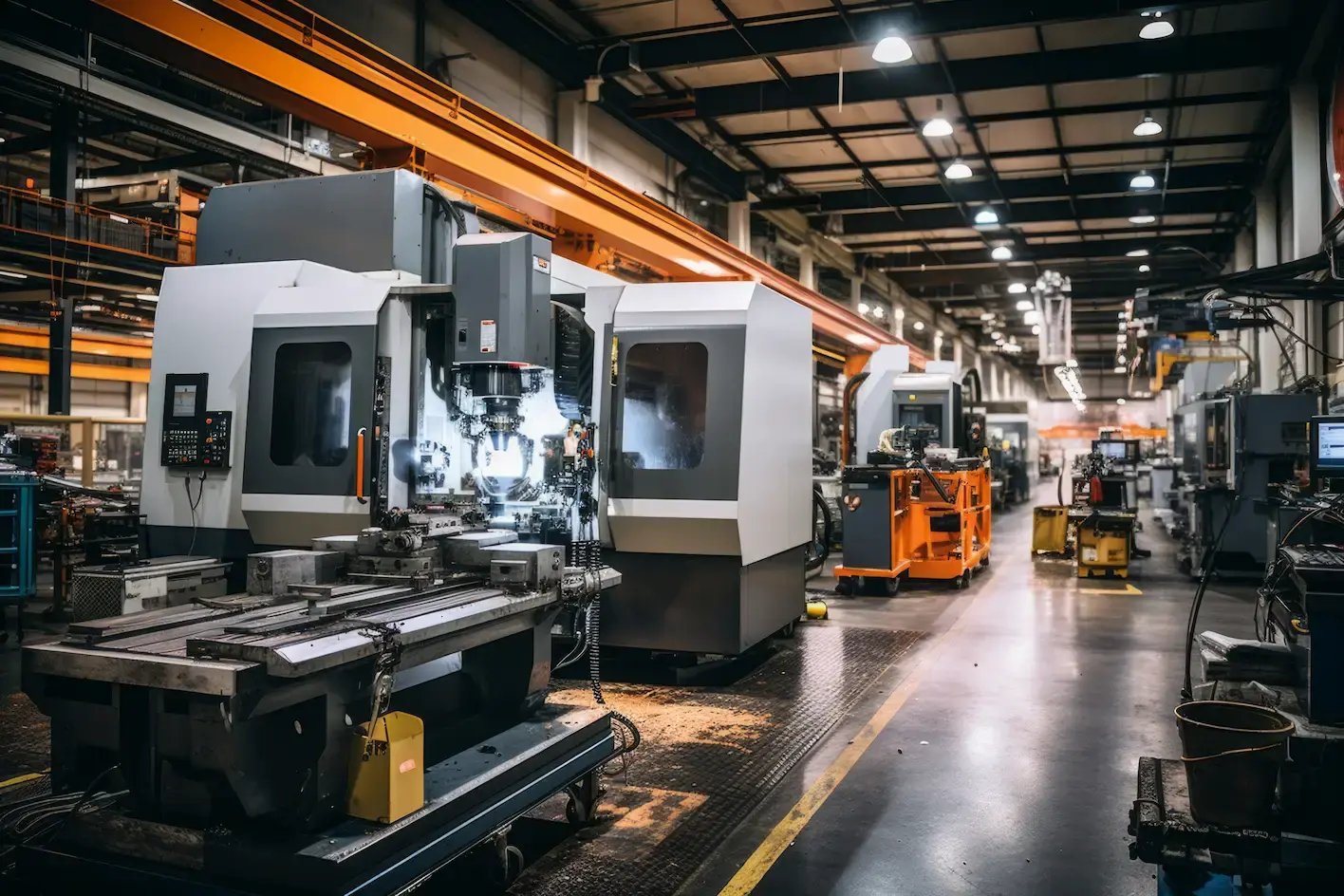
Key benefits for your infrastructure
Enjoy tangible benefits such as
-
Reduced unplanned downtime
-
Increased equipment reliability
-
Security of critical data and data flows
-
Scalability without service interruption
These solutions are designed to absorb technical contingencies while maintaining optimal operation. A promise of continuous performance, essential for industrial players concerned with their competitiveness.

For which industrial sectors are these solutions indispensable?
The need for high availability and fault tolerance concerns a wide range of sectors:
-
Food: traceability and cold chain
-
Automotive: just-in-time production
-
Pharmaceuticals: regulatory compliance and quality control
-
Energy: real-time network management
-
Logistics and transport: critical information systems
If your processes require maximum reactivity and 24/7 operation, we've got you covered.
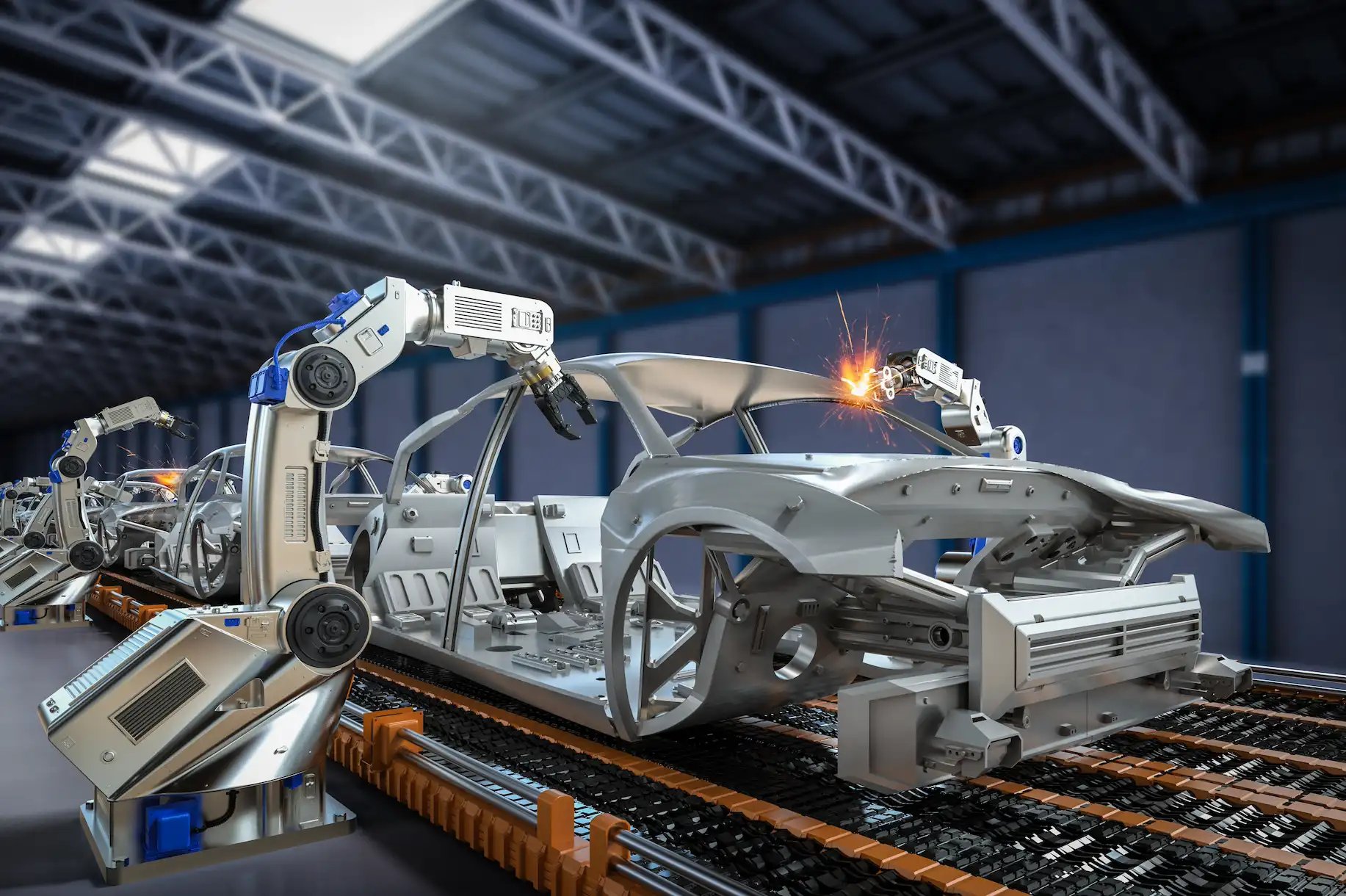
A response adapted to the constraints of industrial environments
High Availability and Fault Tolerance solutions are designed to fit into the most demanding environments:
-
Resistance to extreme conditions (temperature, humidity, dust)
-
Compatibility with industrial standards
-
Centralized supervision and preventive maintenance
They adapt to field constraints while simplifying operational management. The assurance of optimal operation, even in the most hostile conditions.