.svg)
.svg)
IoT objects
Real-time connectivity
Predictive maintenance
Filters
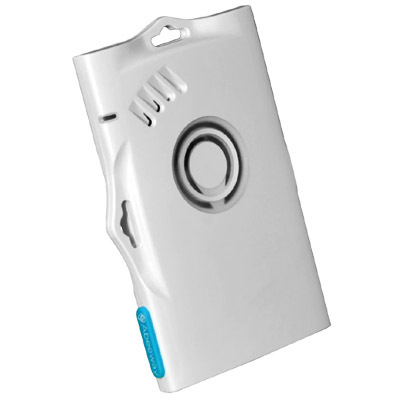
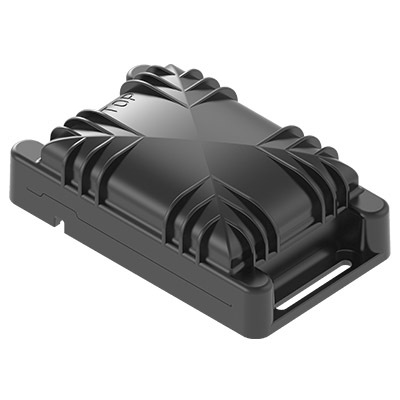
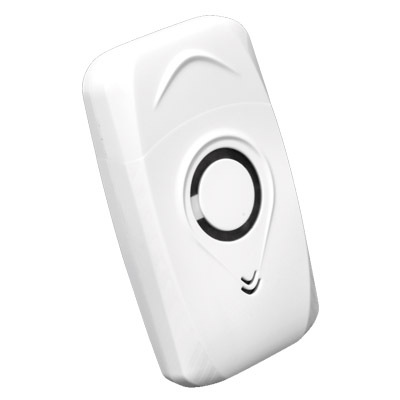
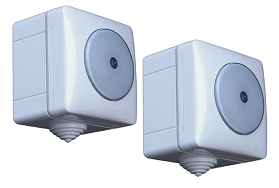
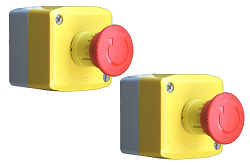
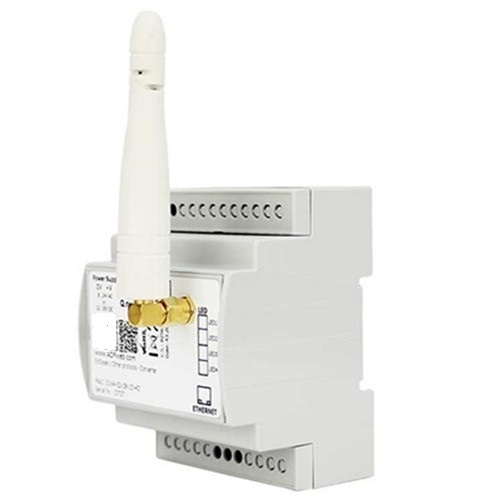
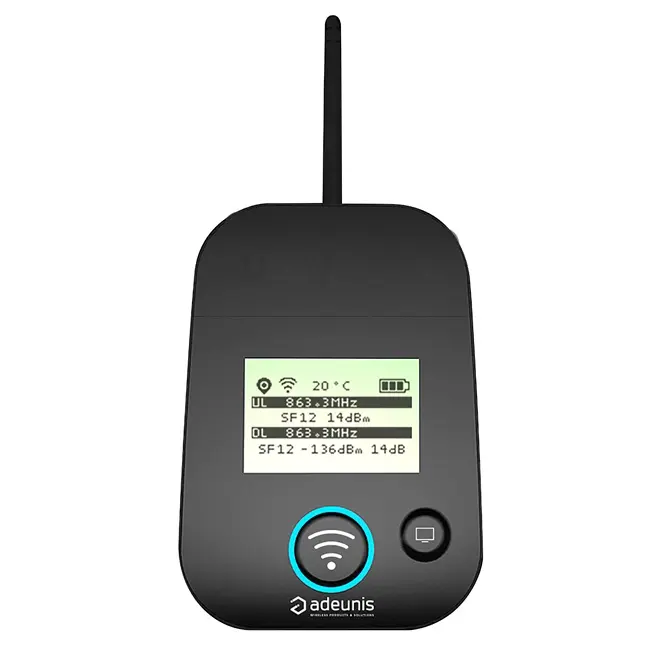
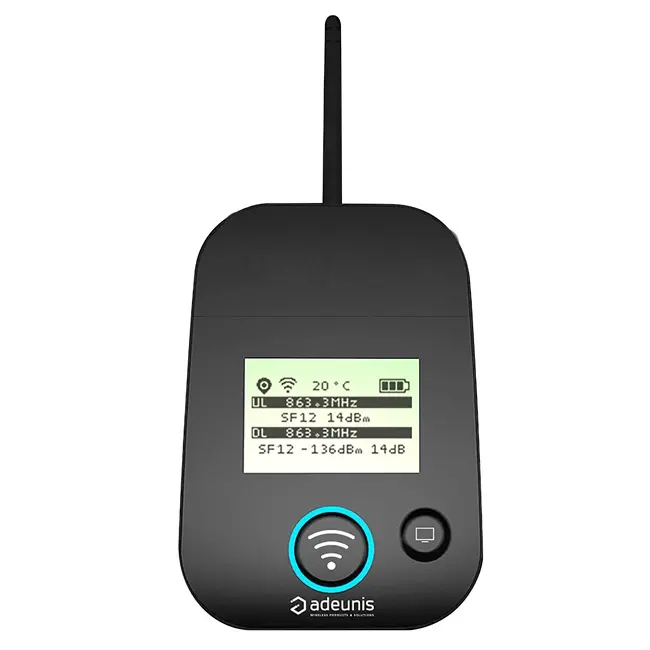

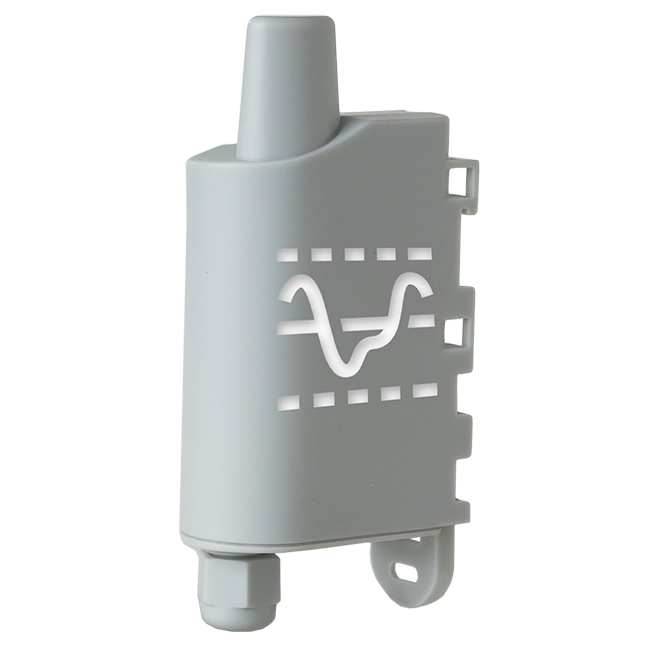
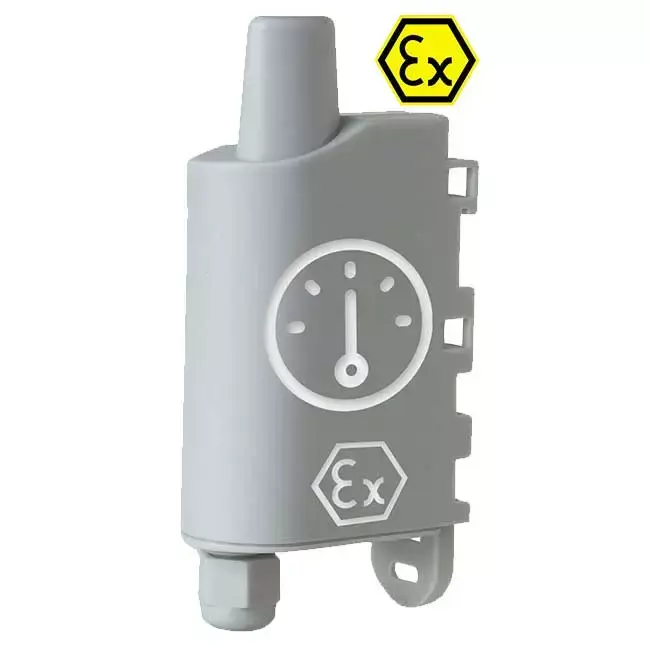
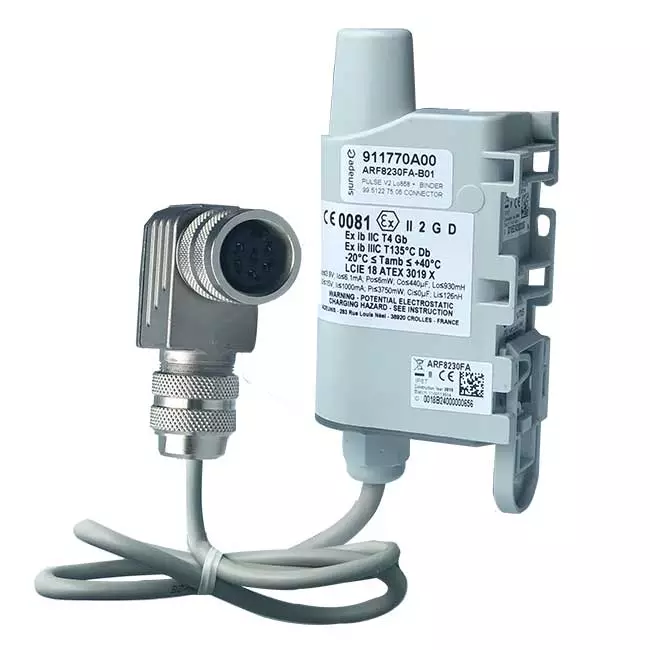
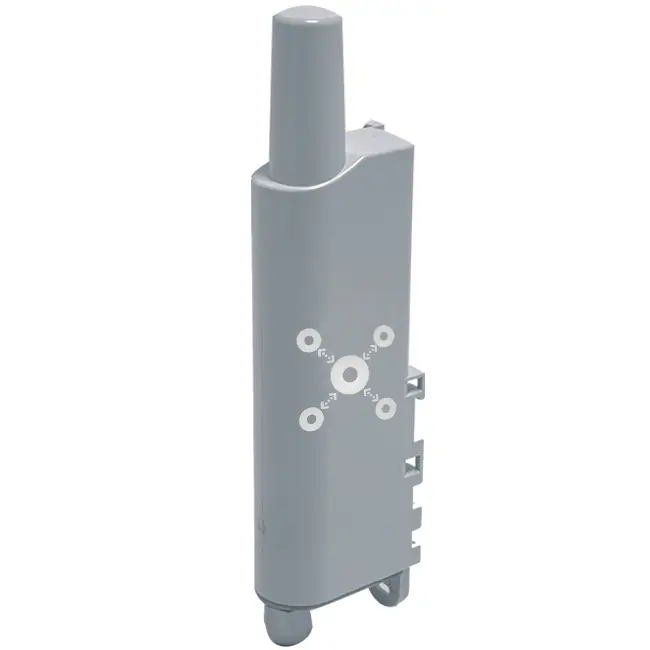
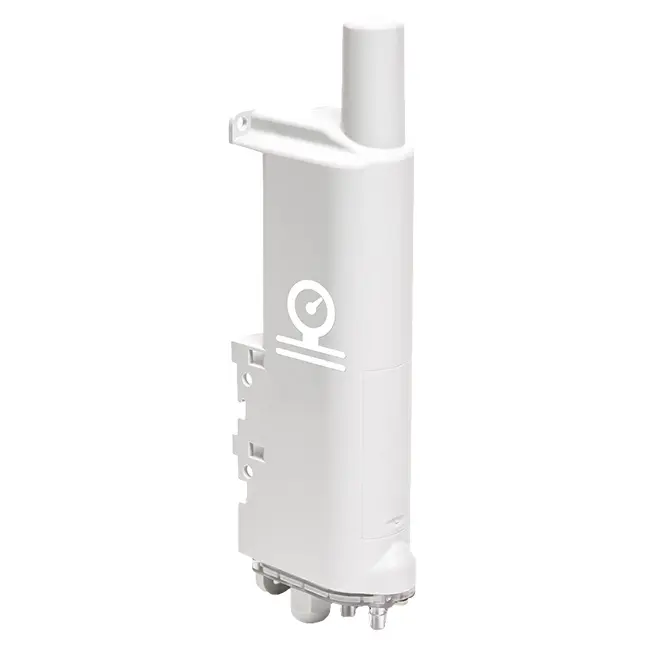
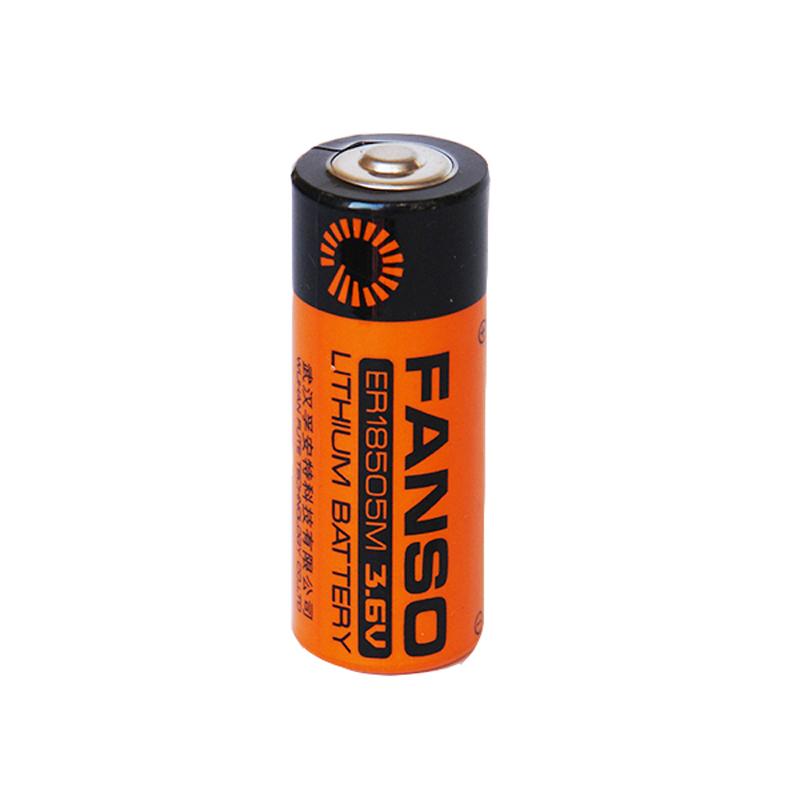
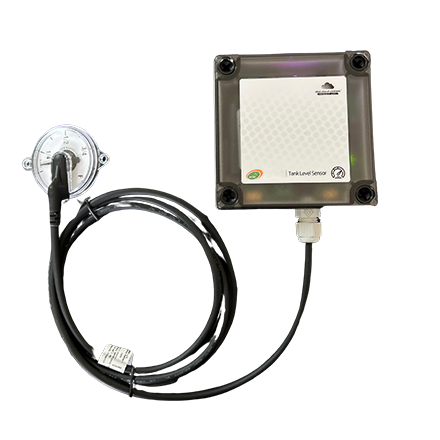
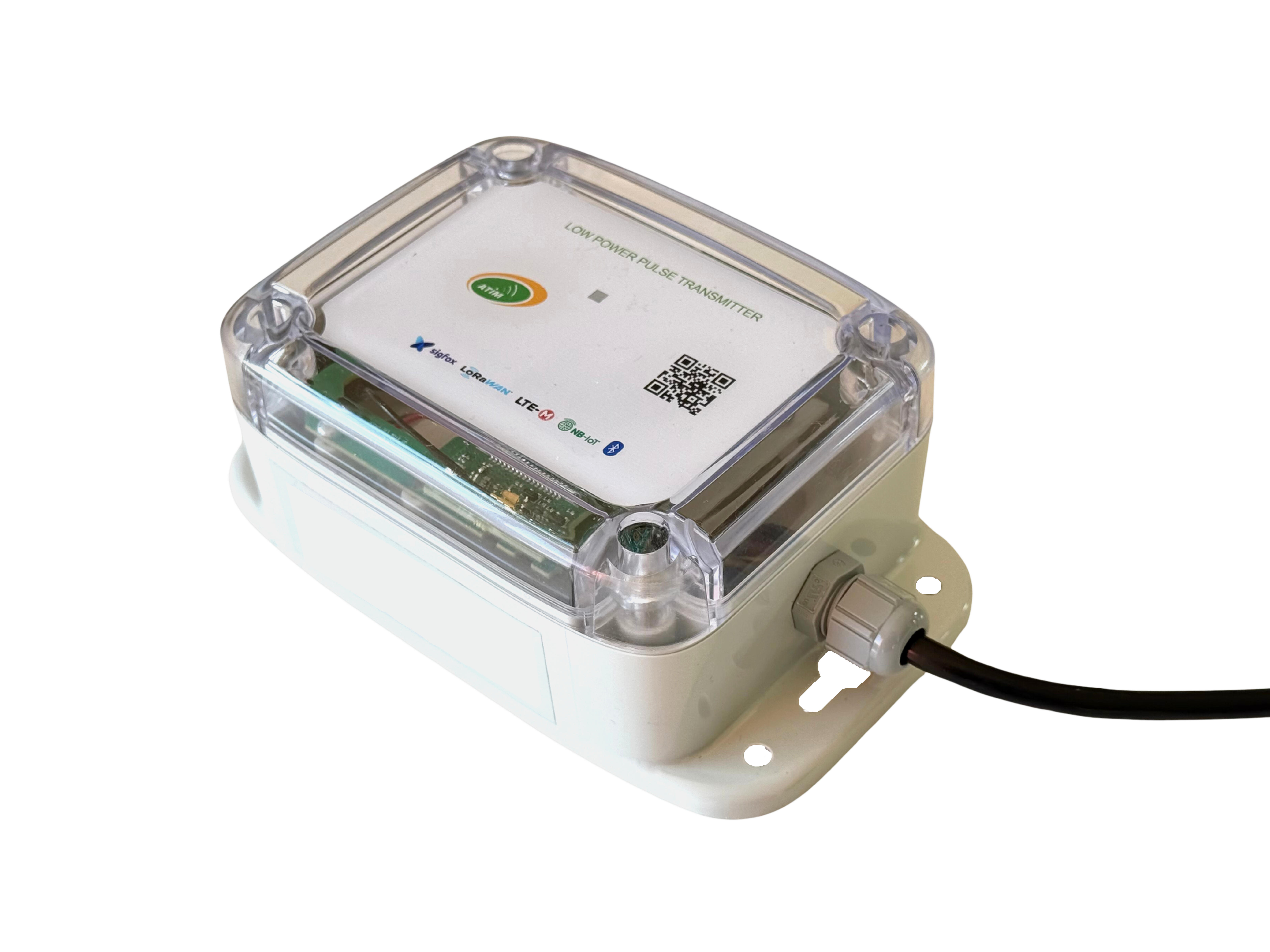
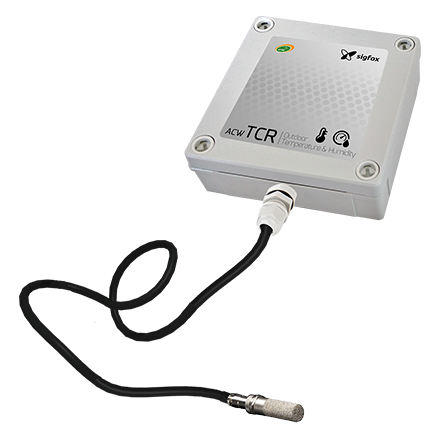
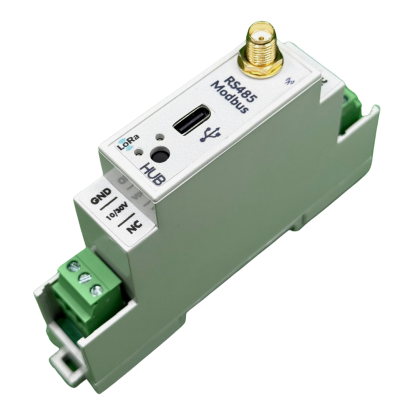
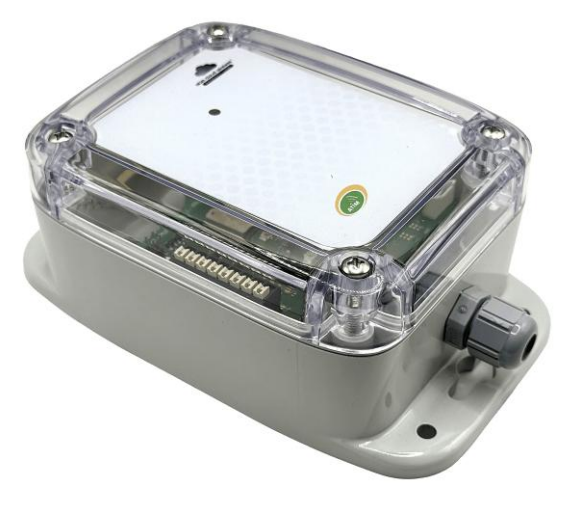
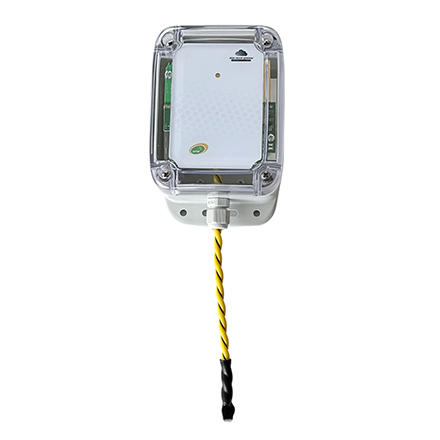
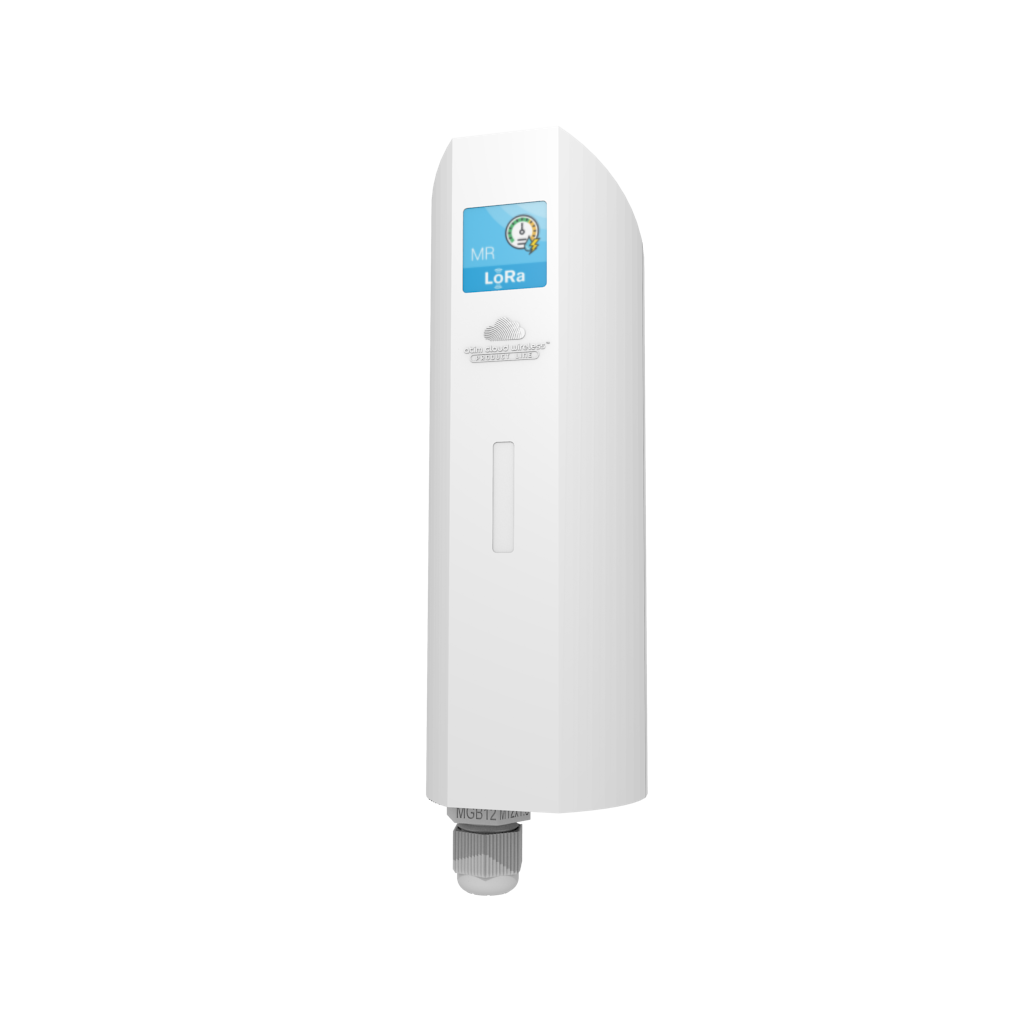
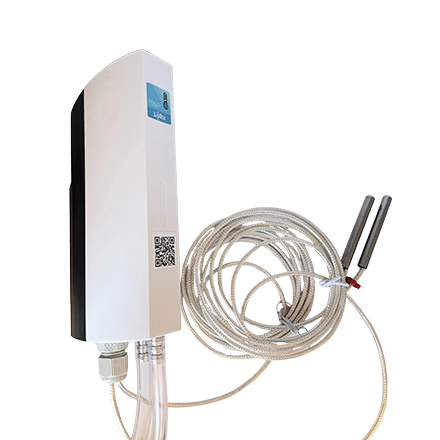
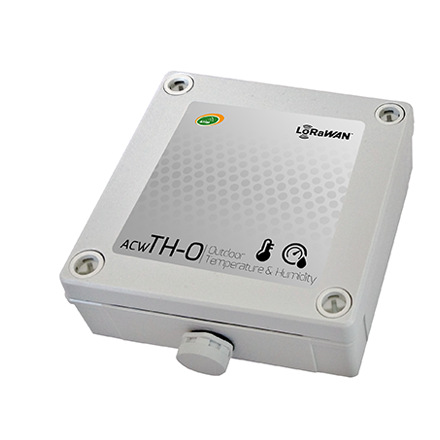
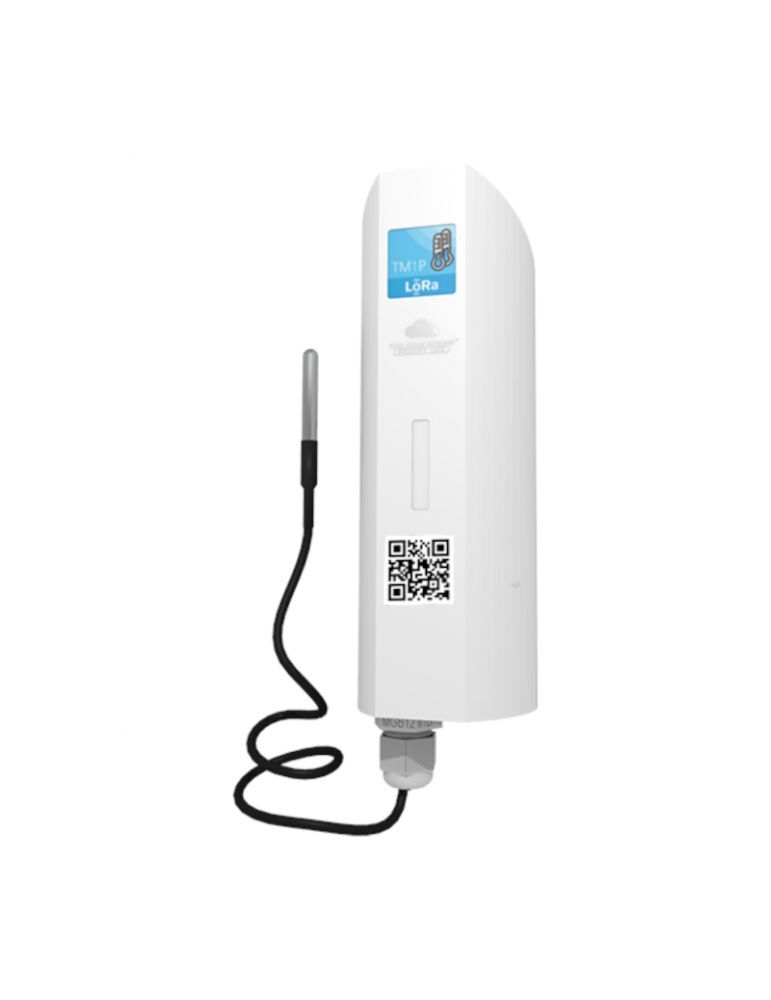
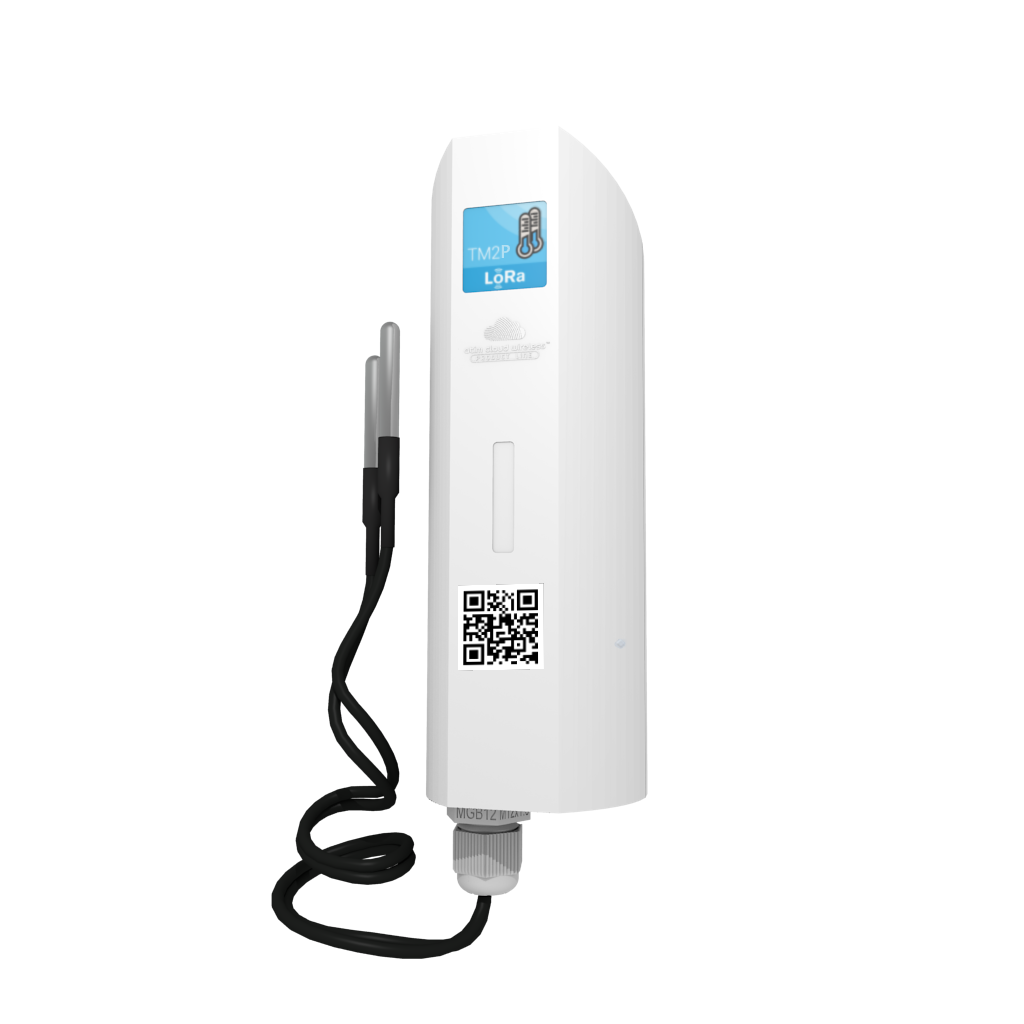
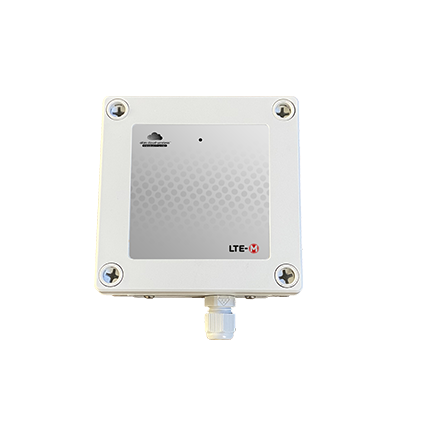
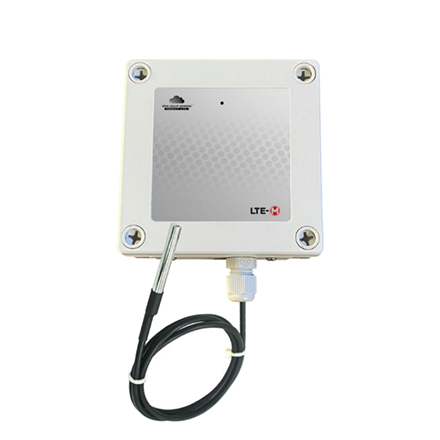
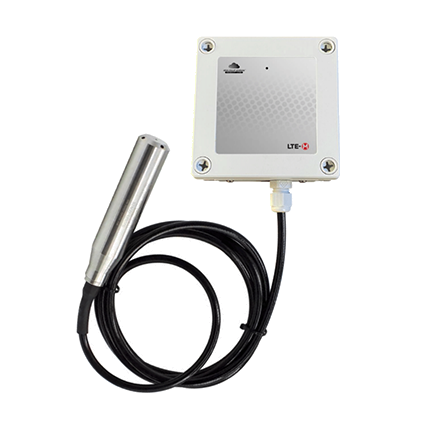
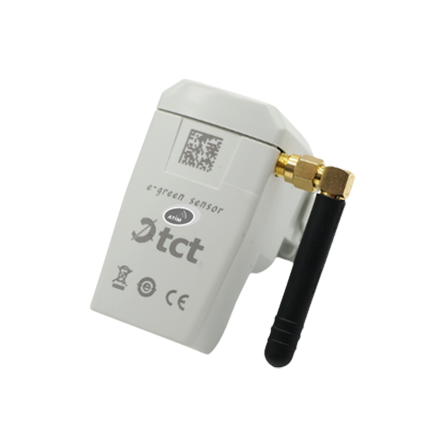
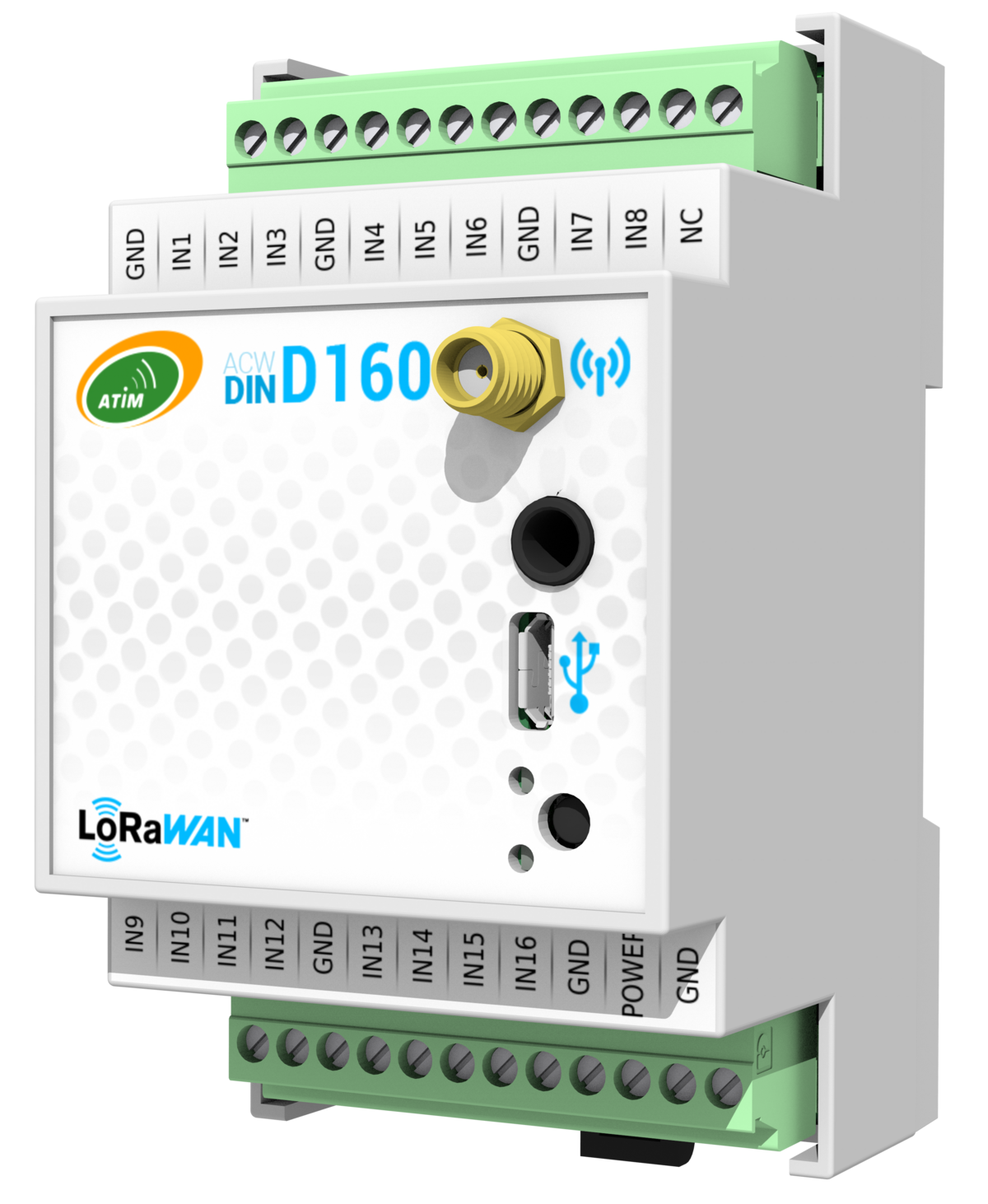
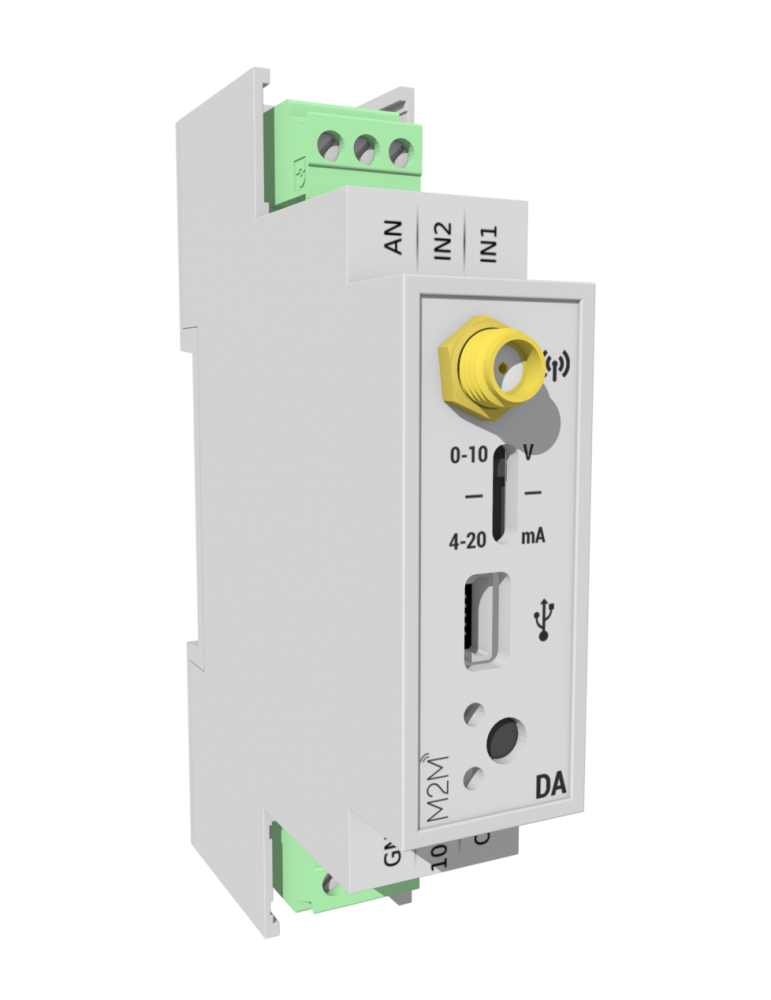
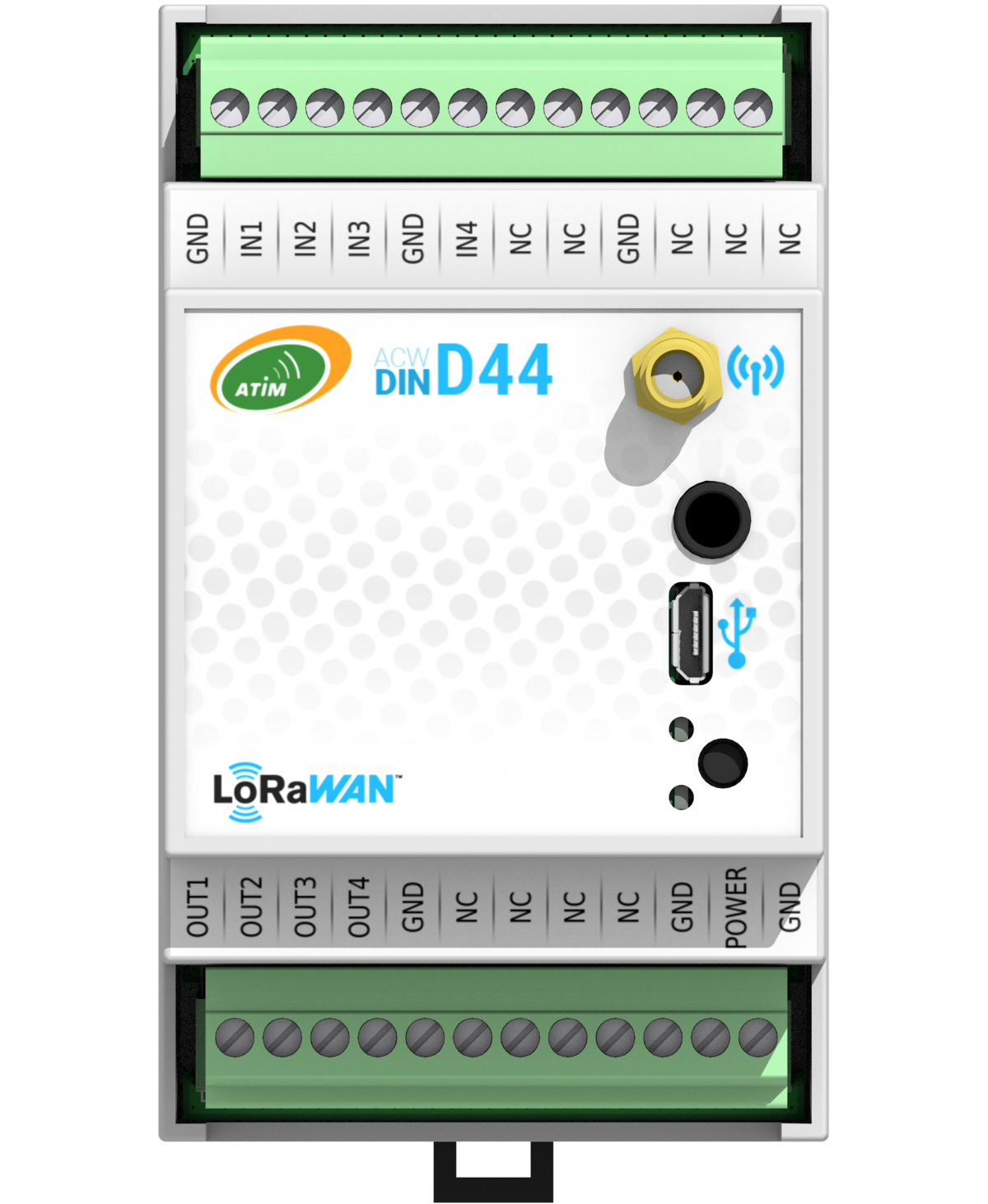
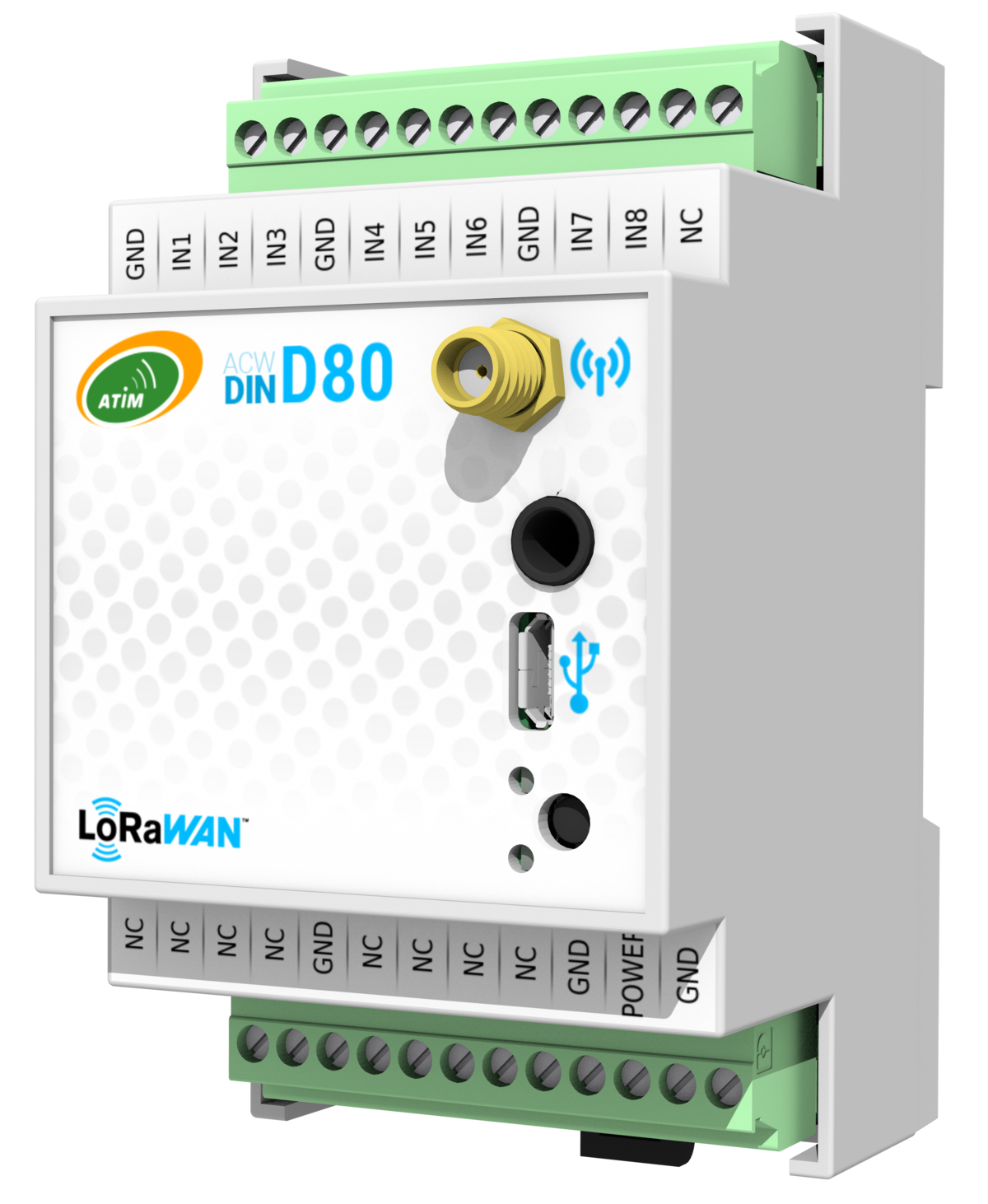
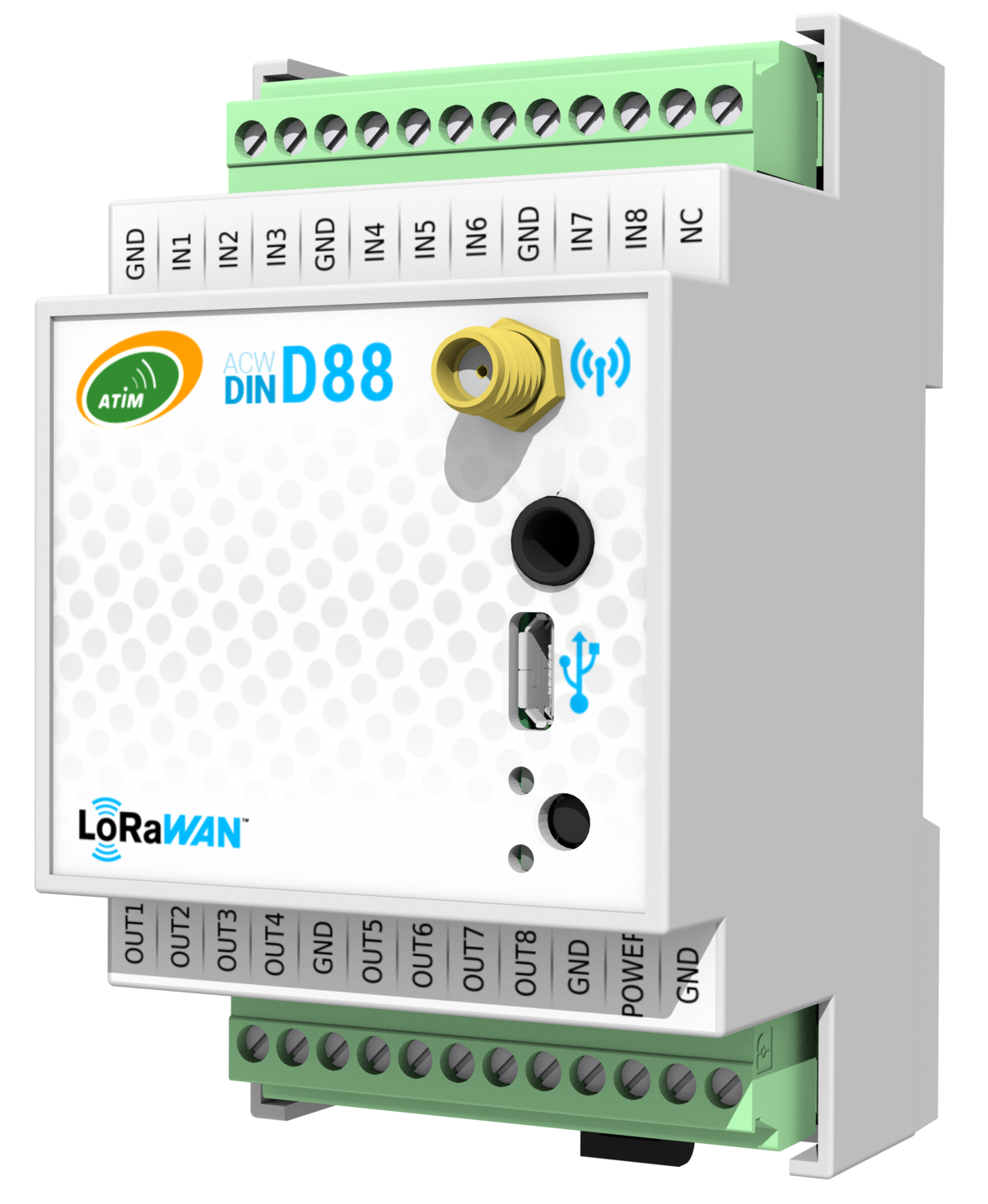
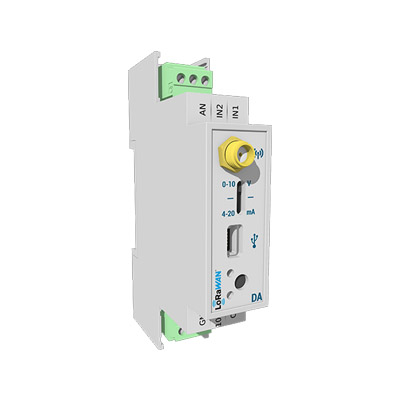
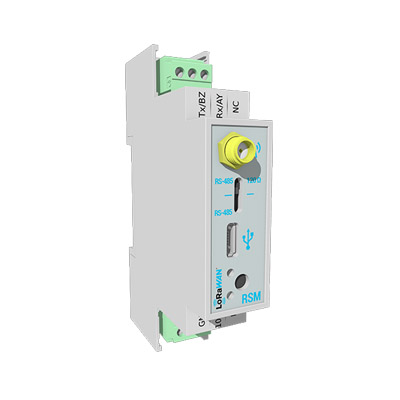
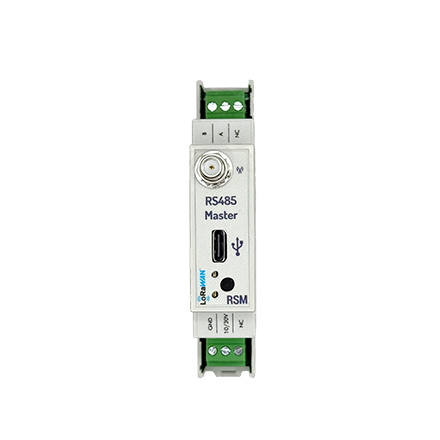
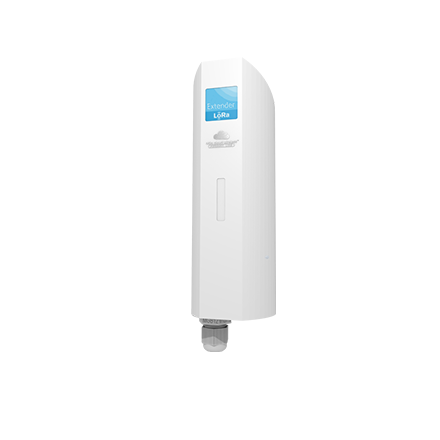
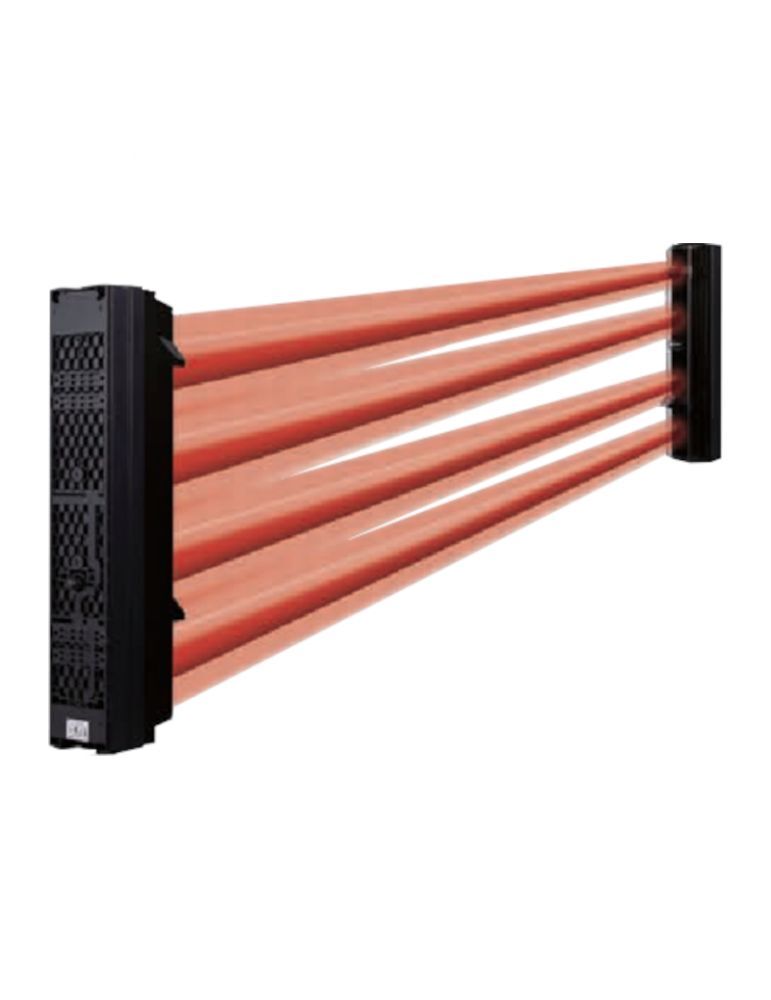
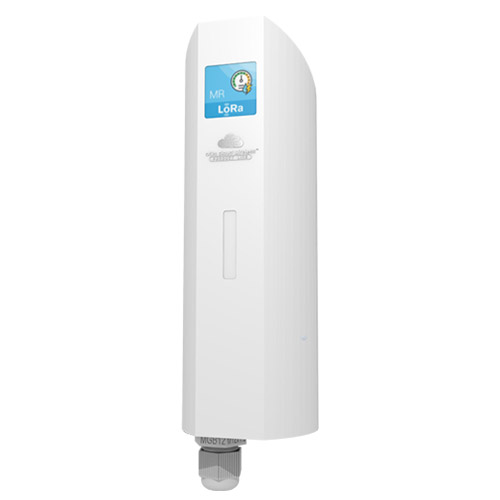
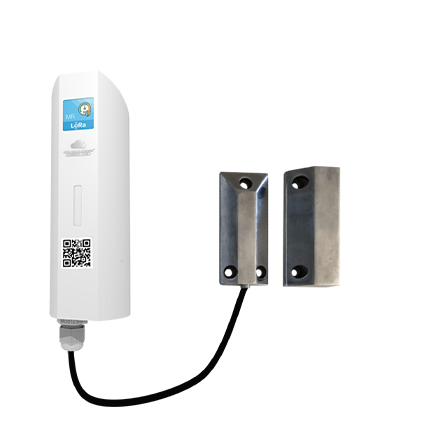
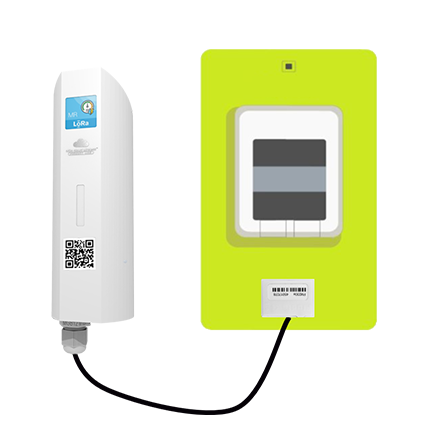
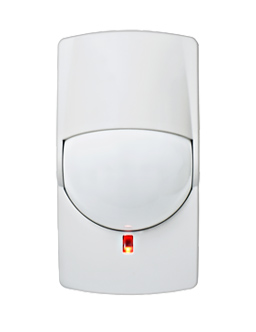
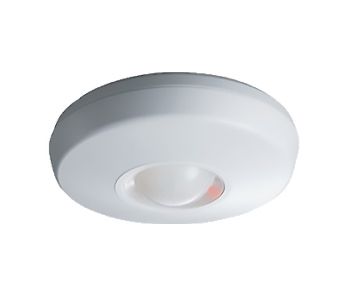
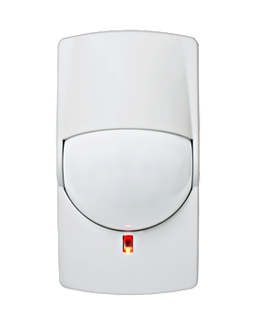
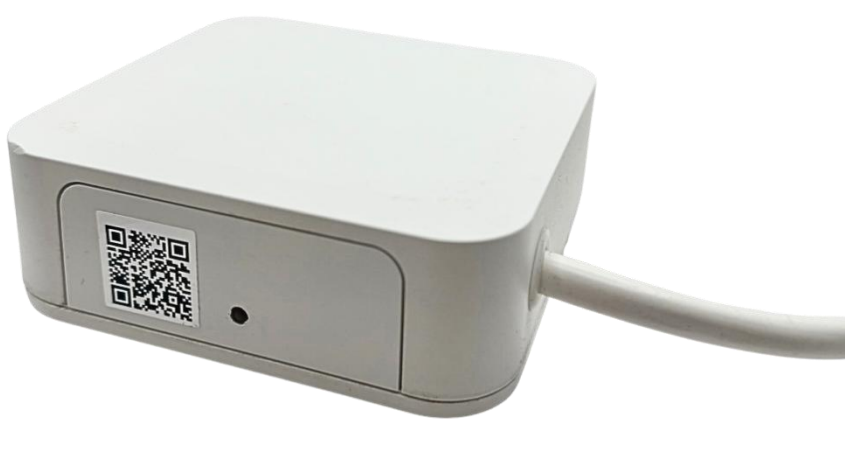
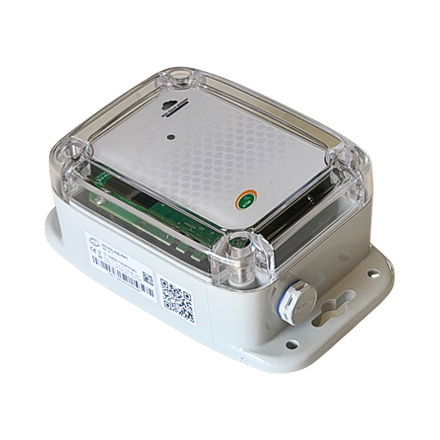
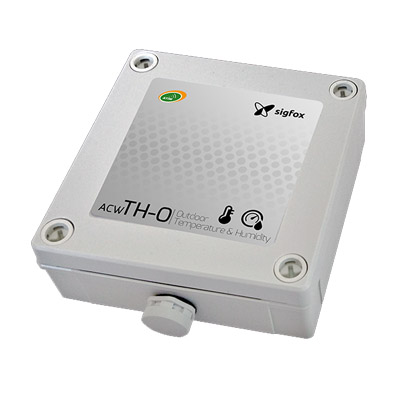
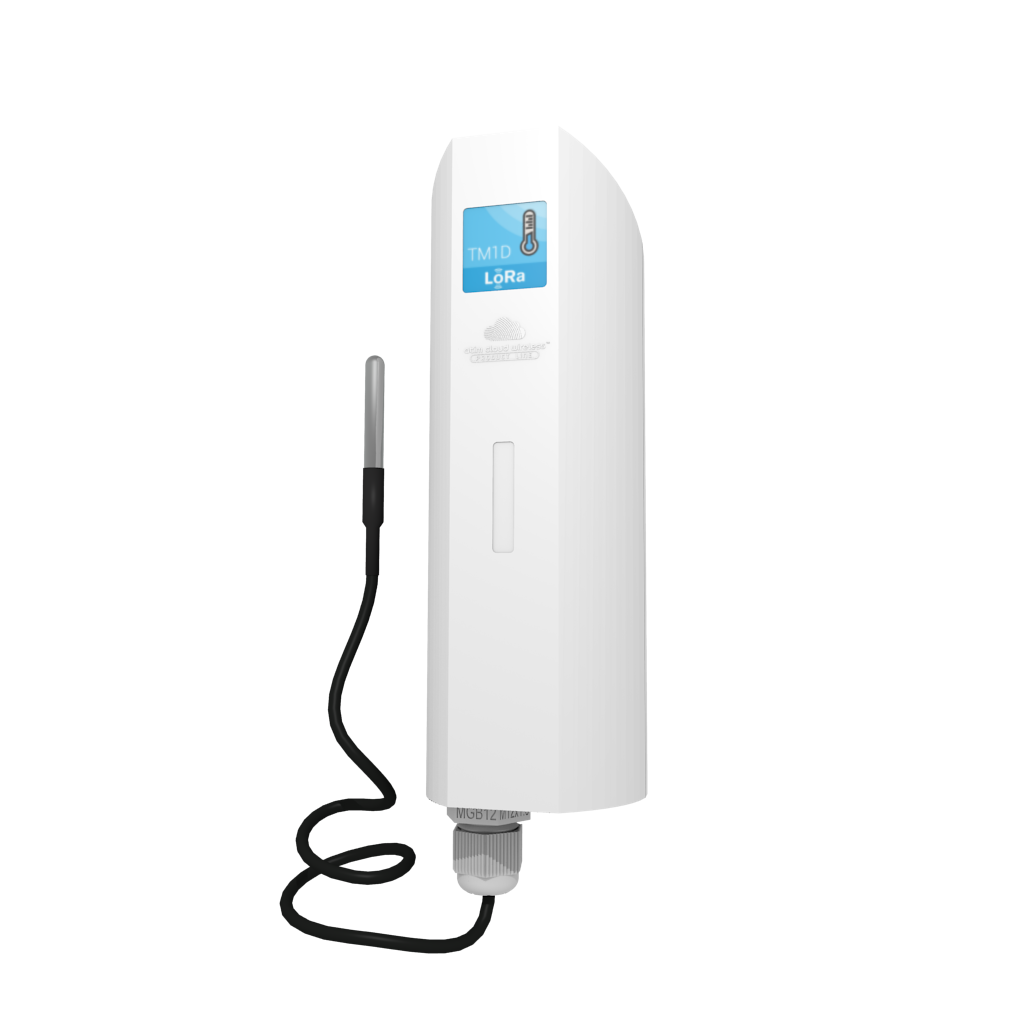
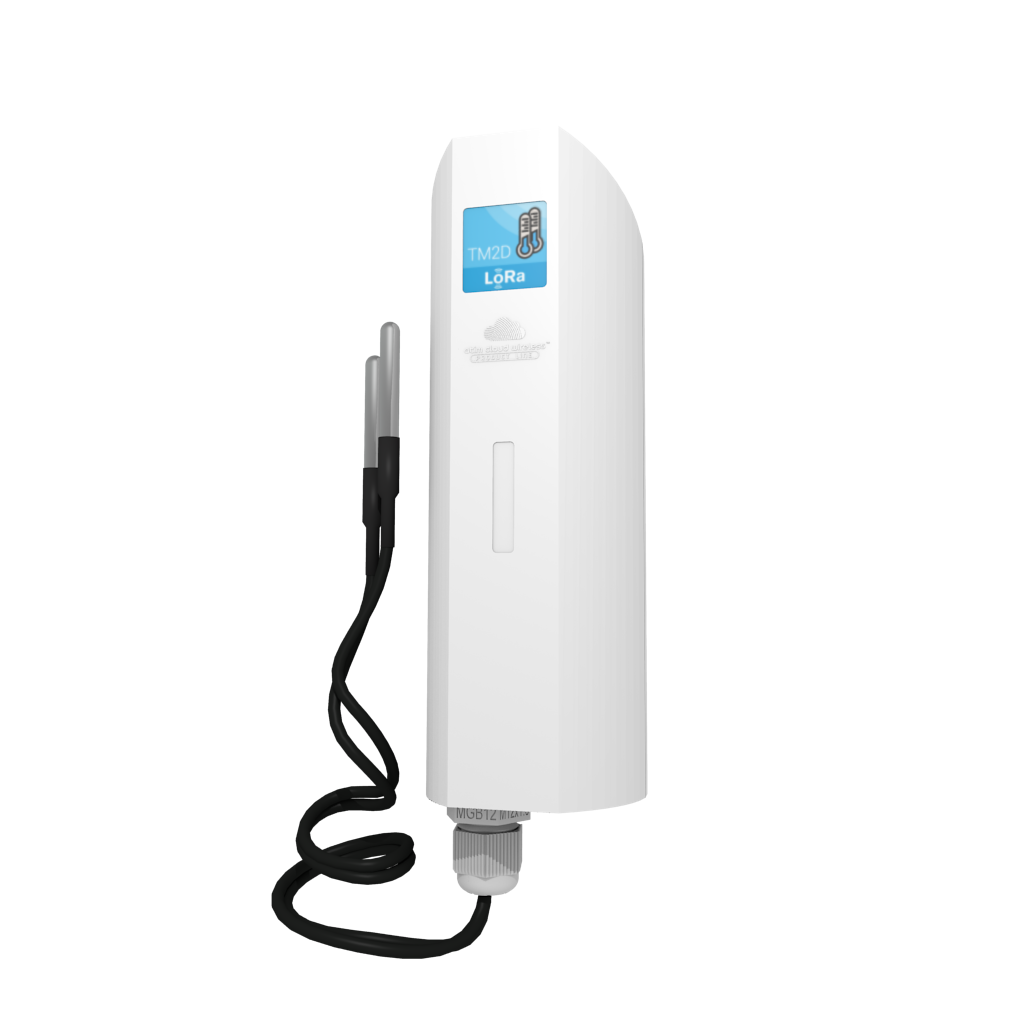
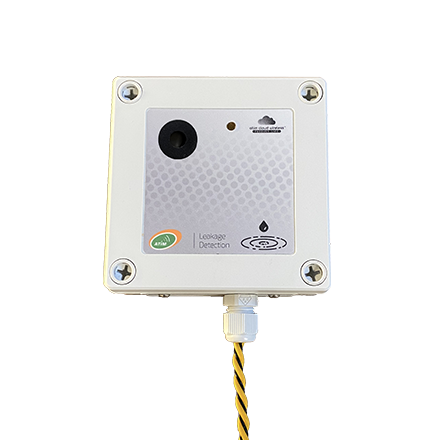
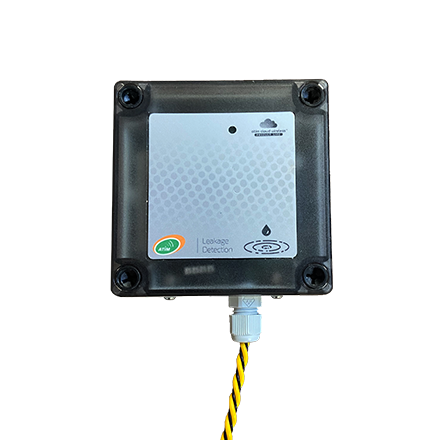
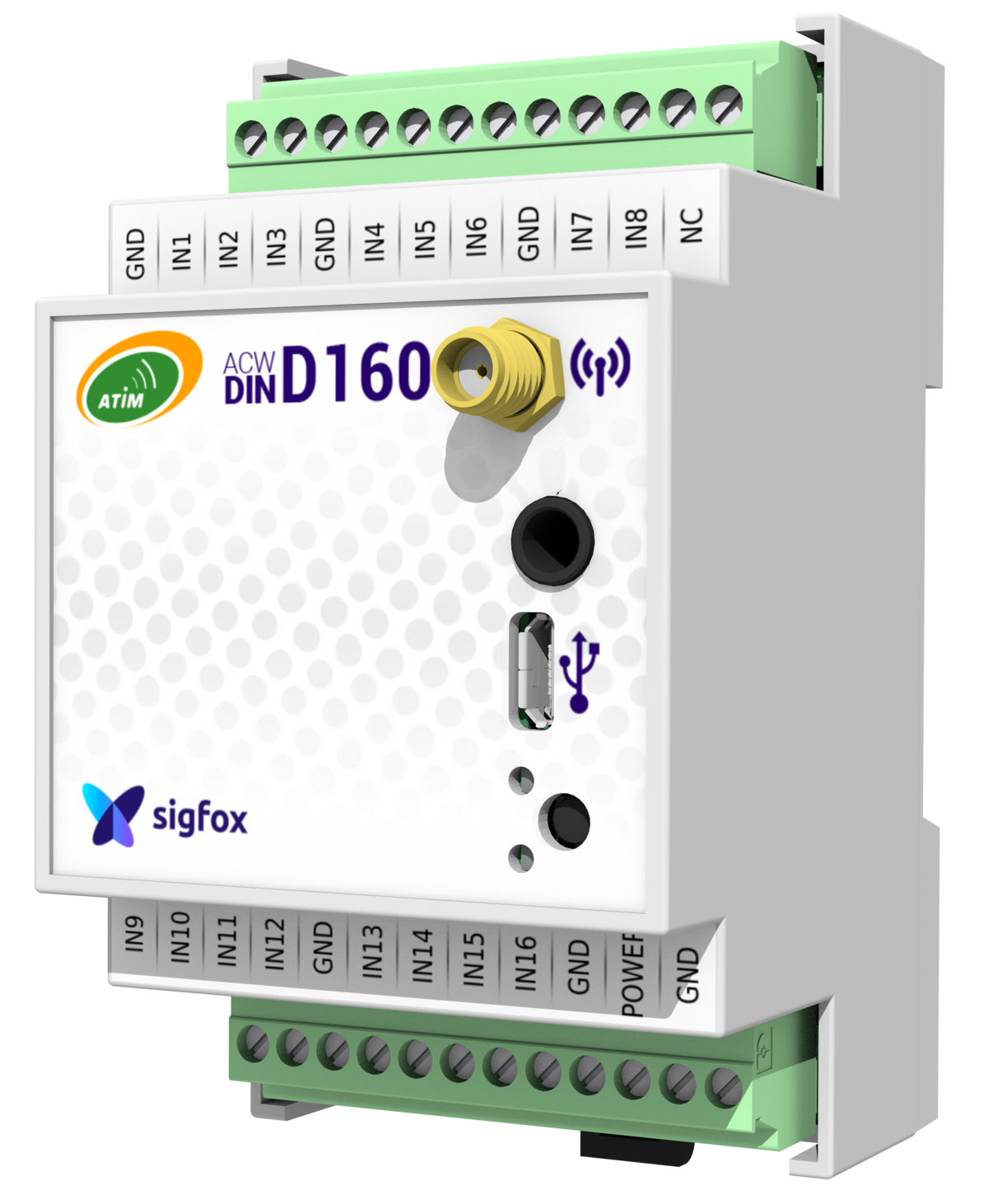
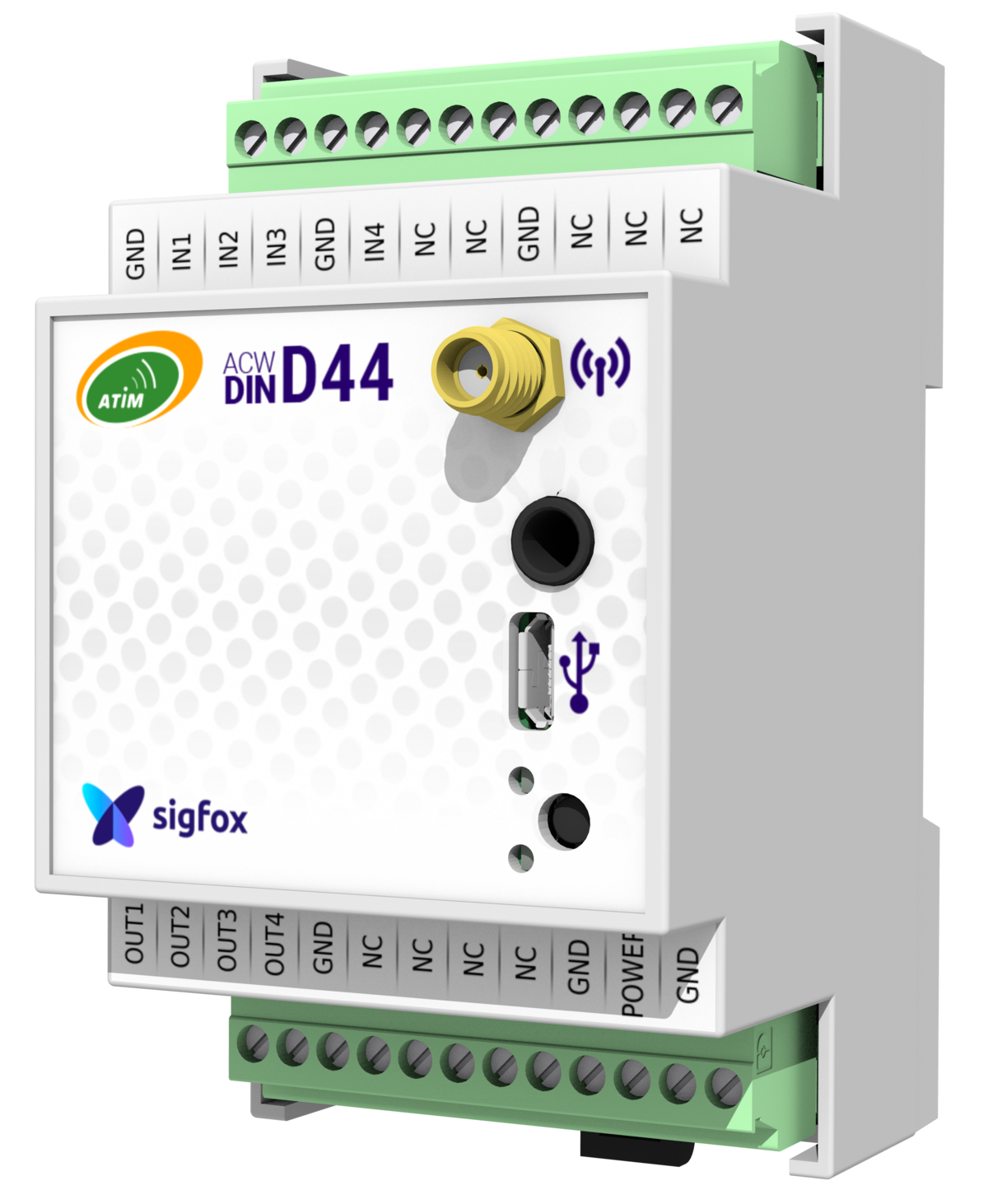
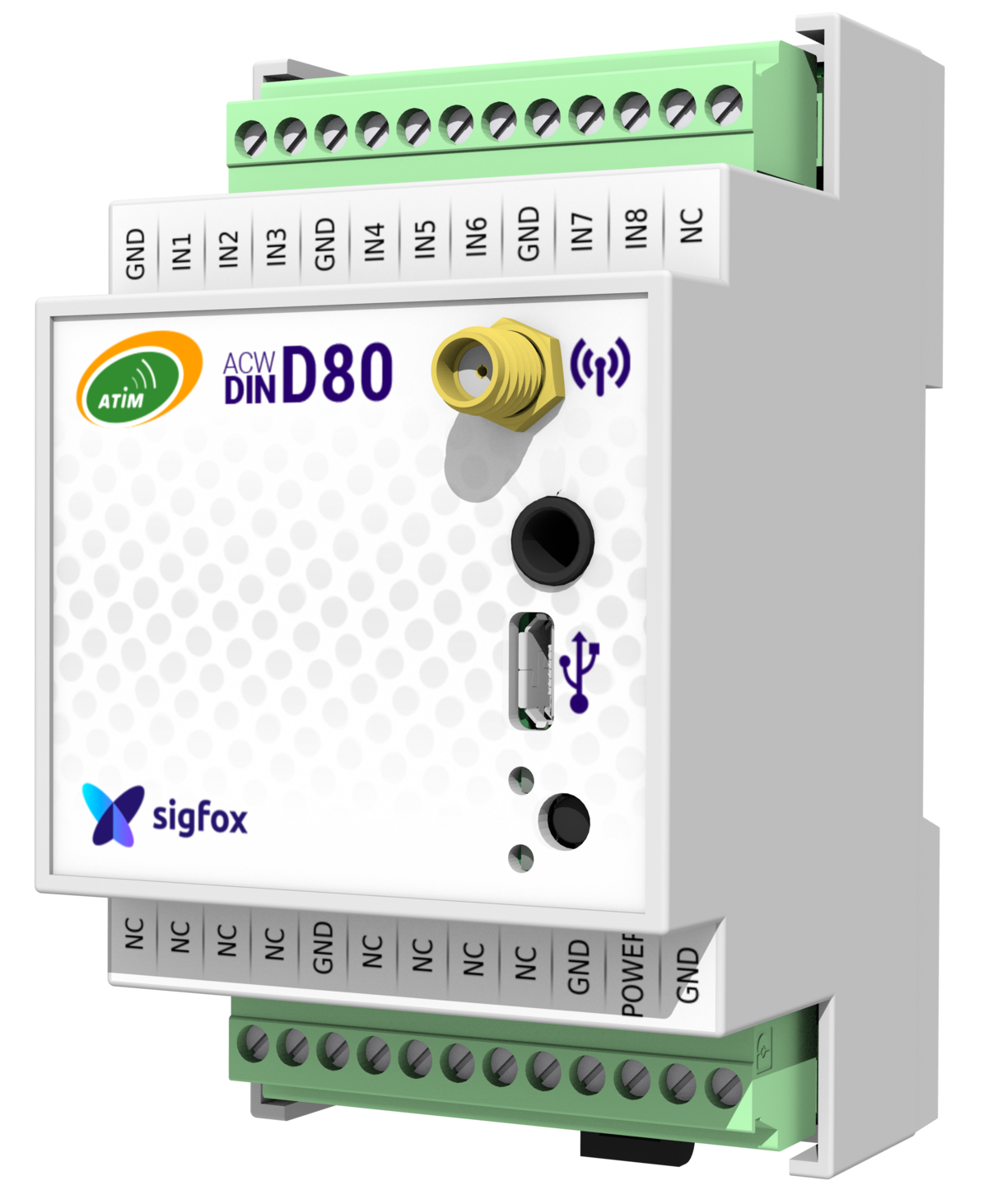
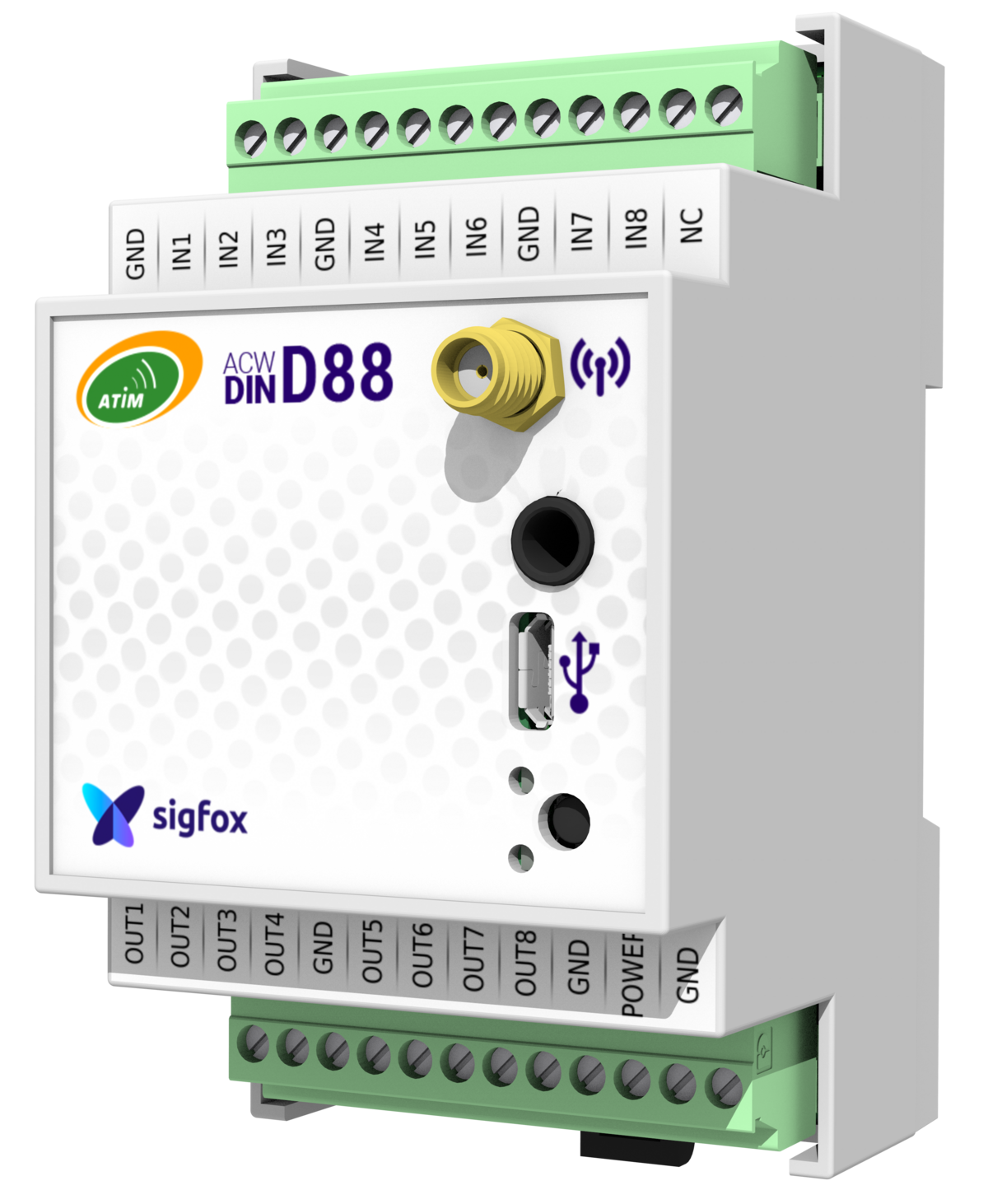
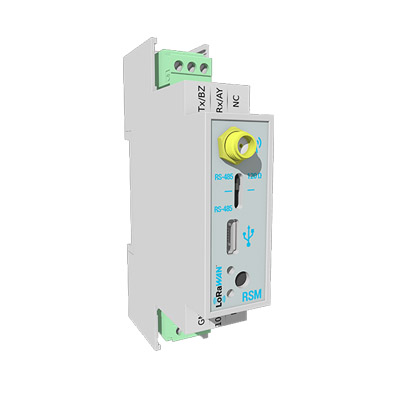
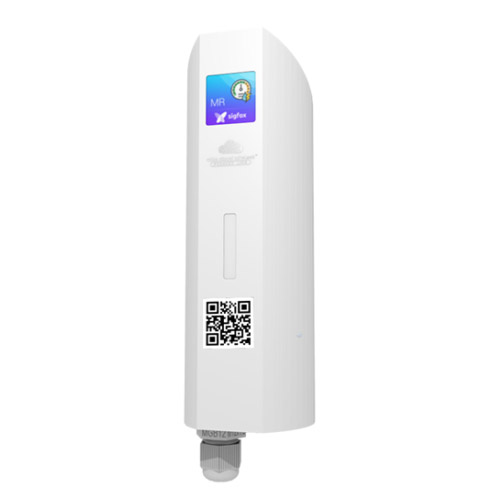
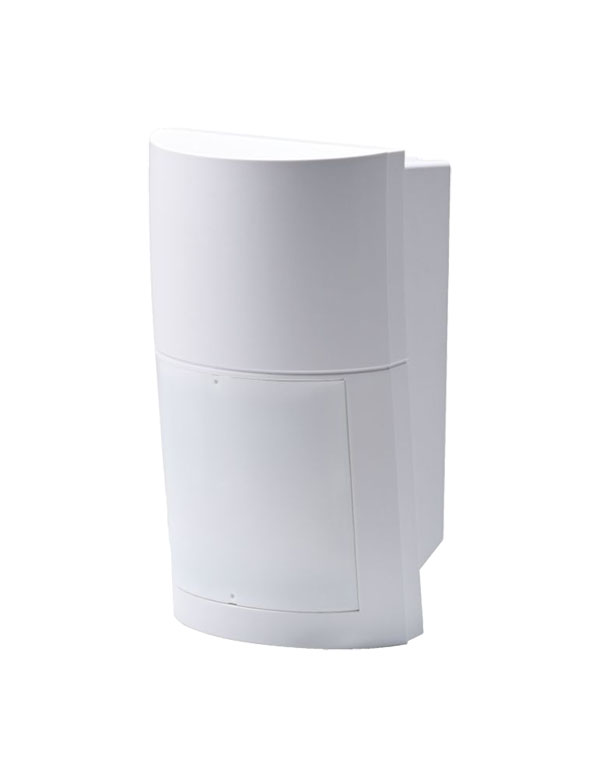
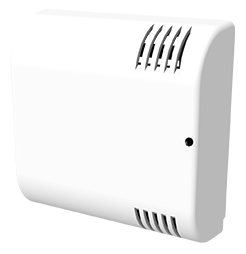
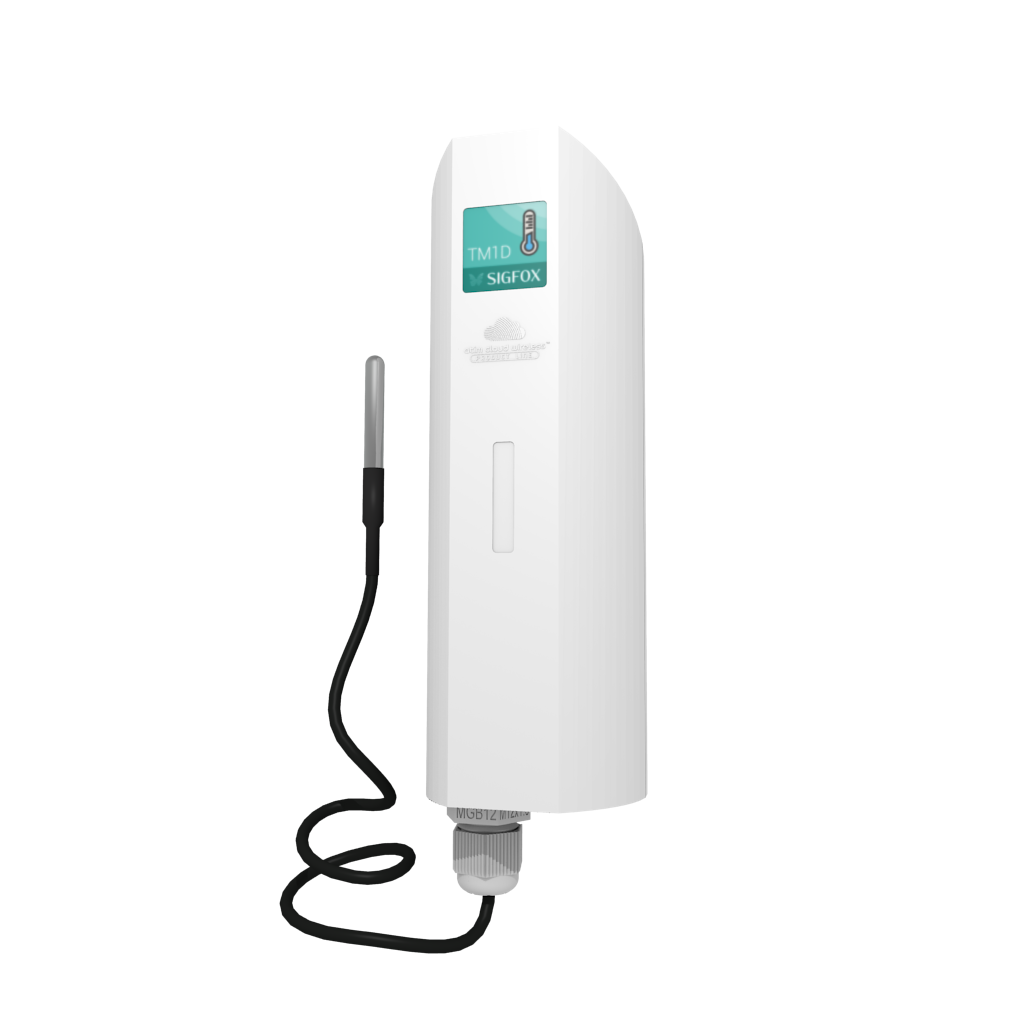
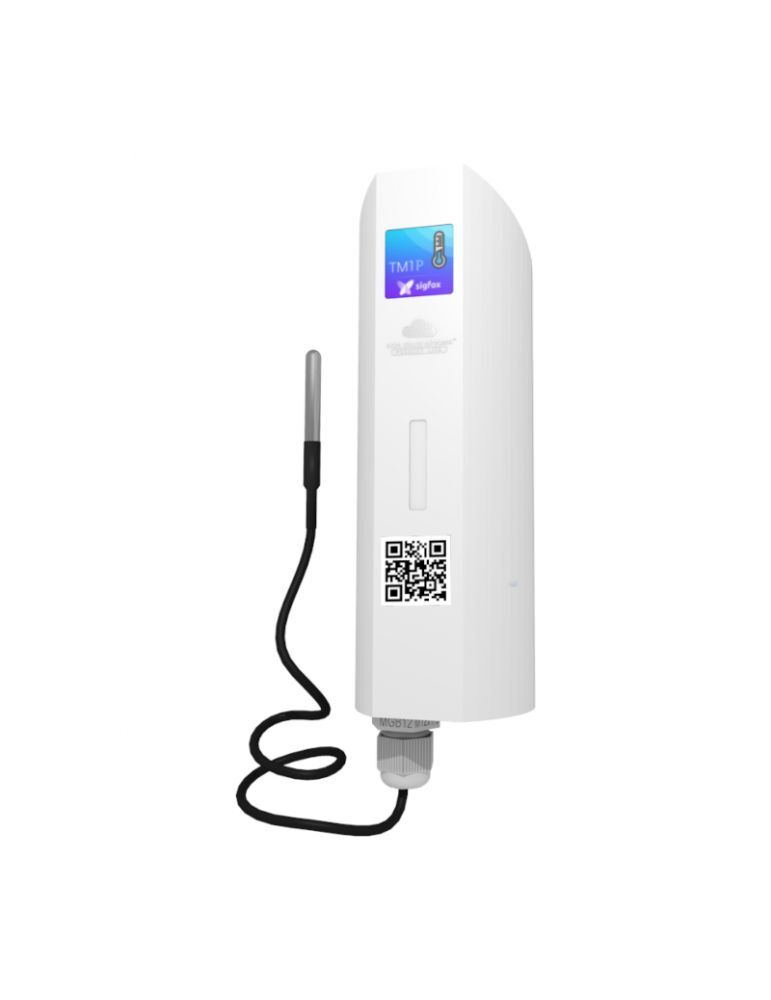
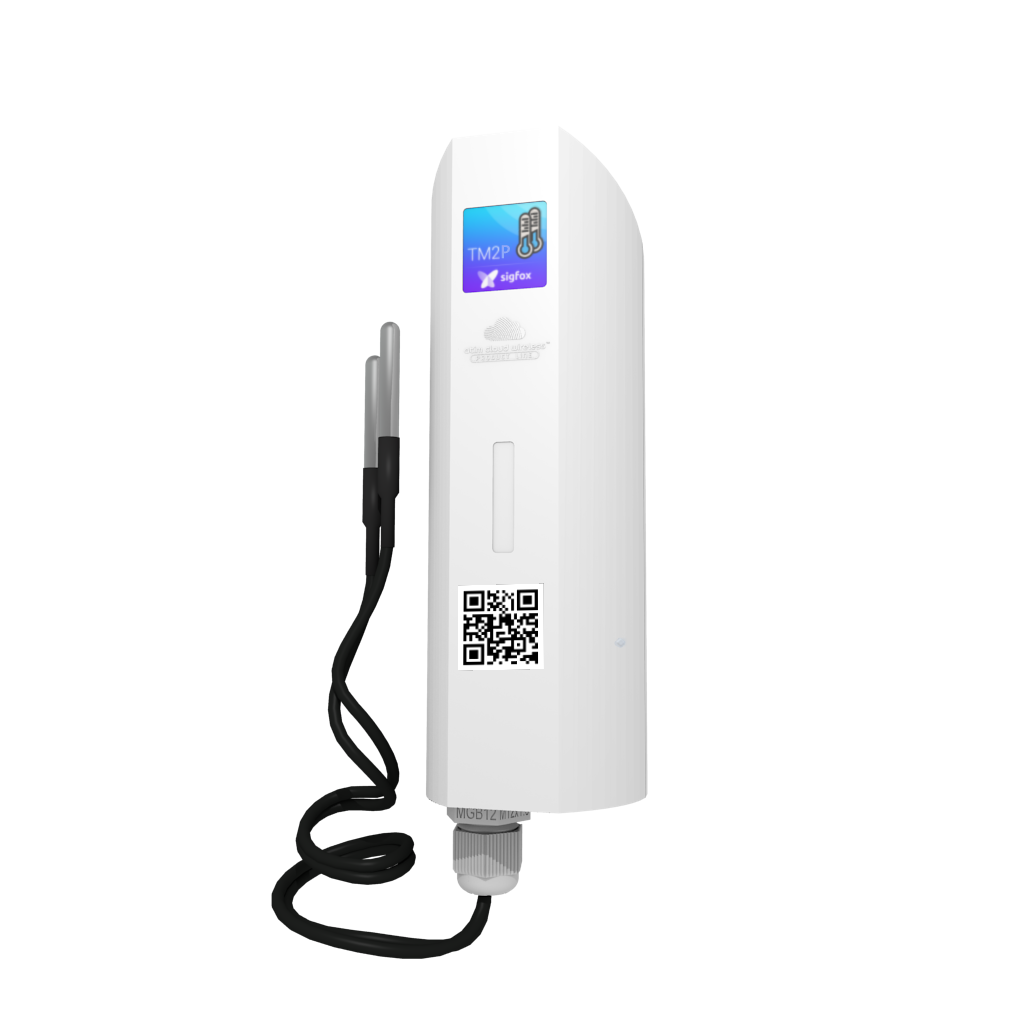
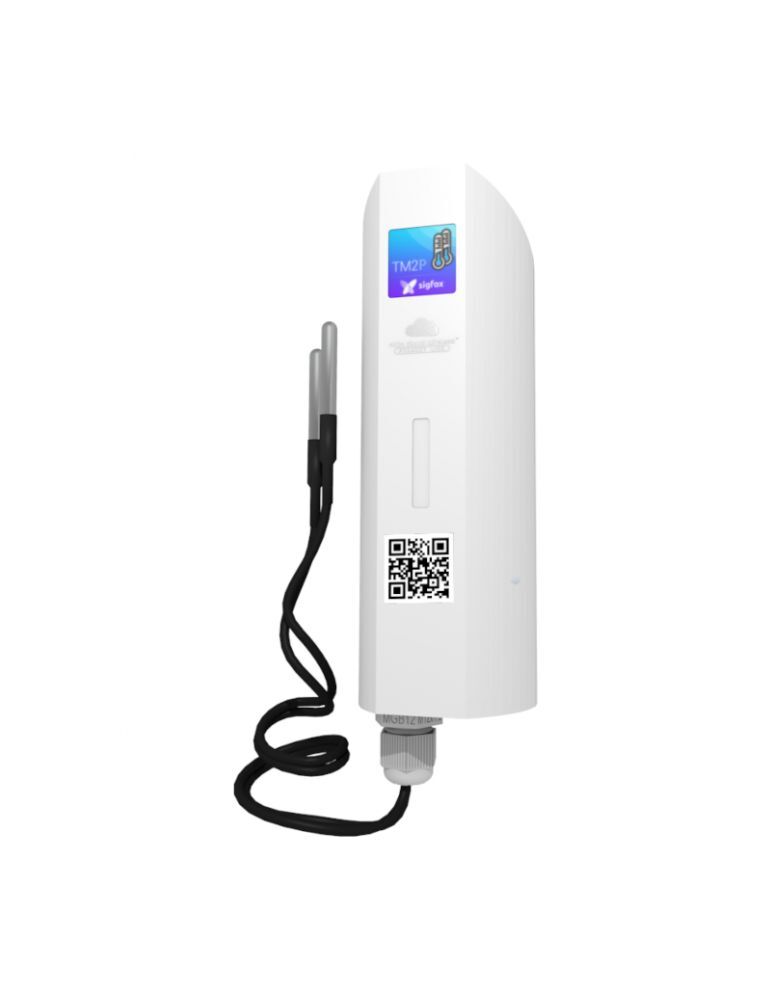
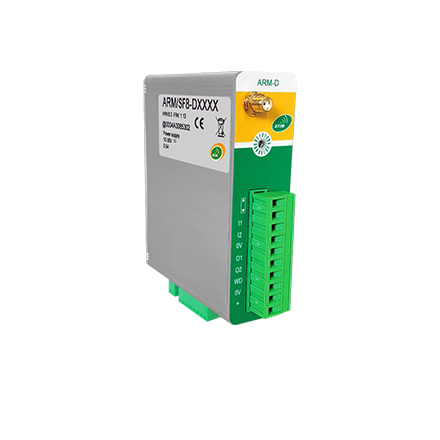
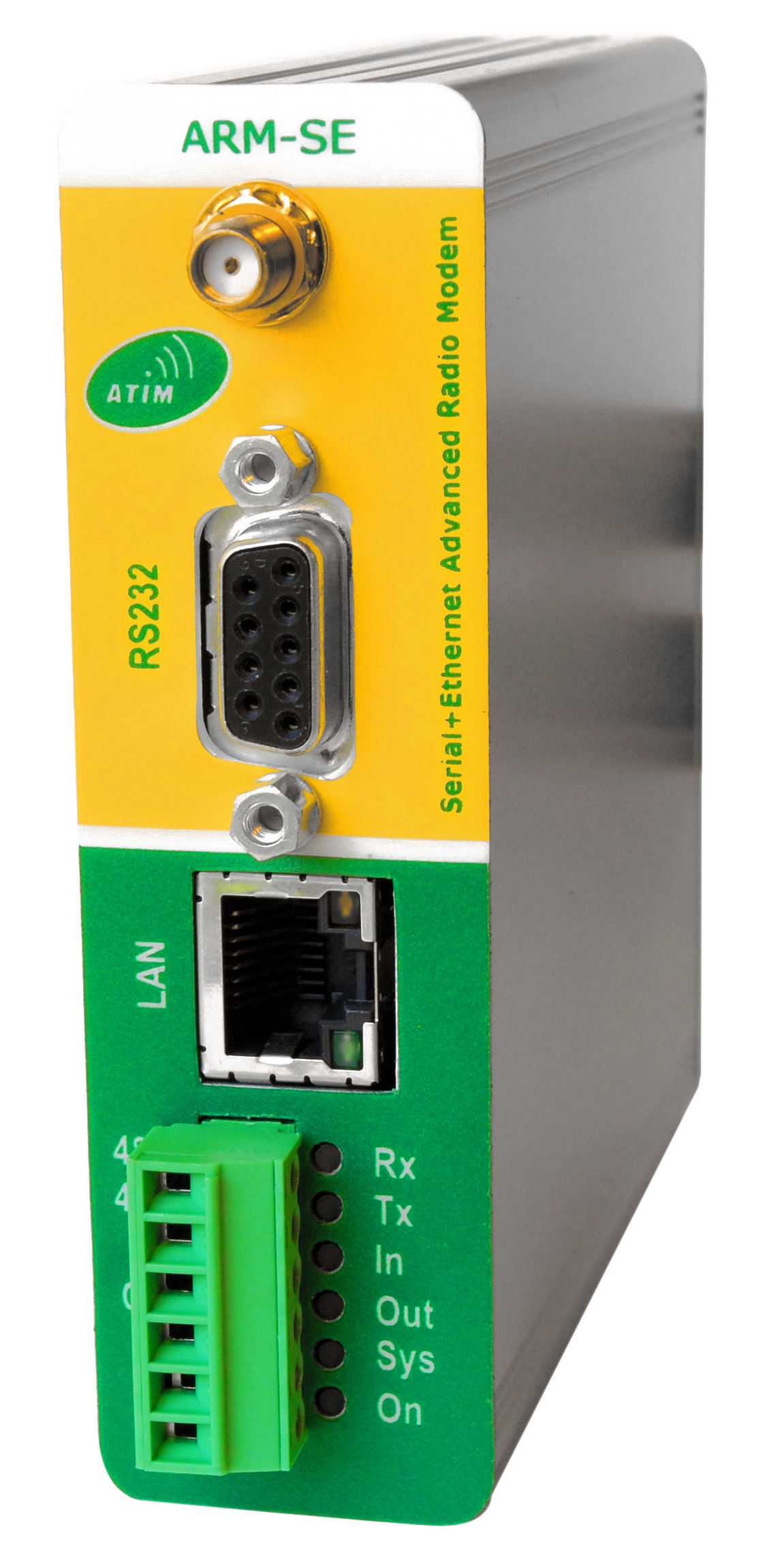
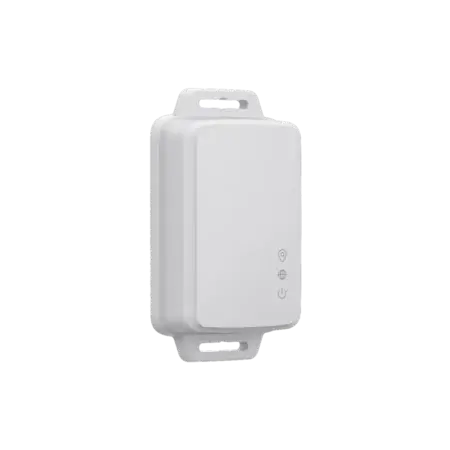
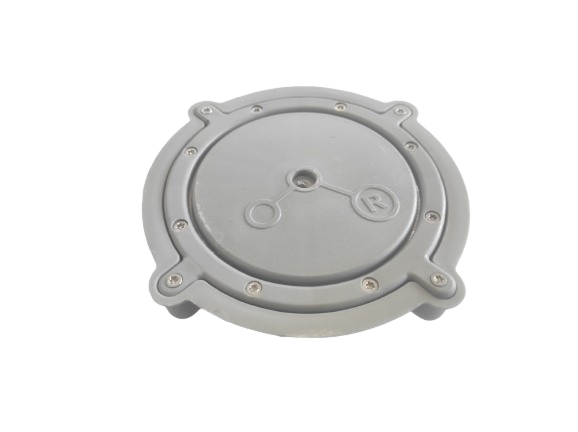
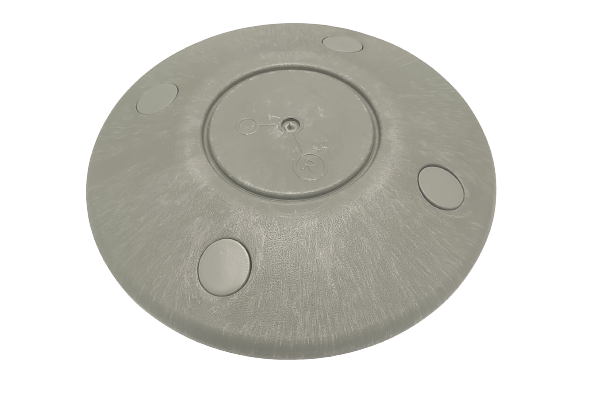
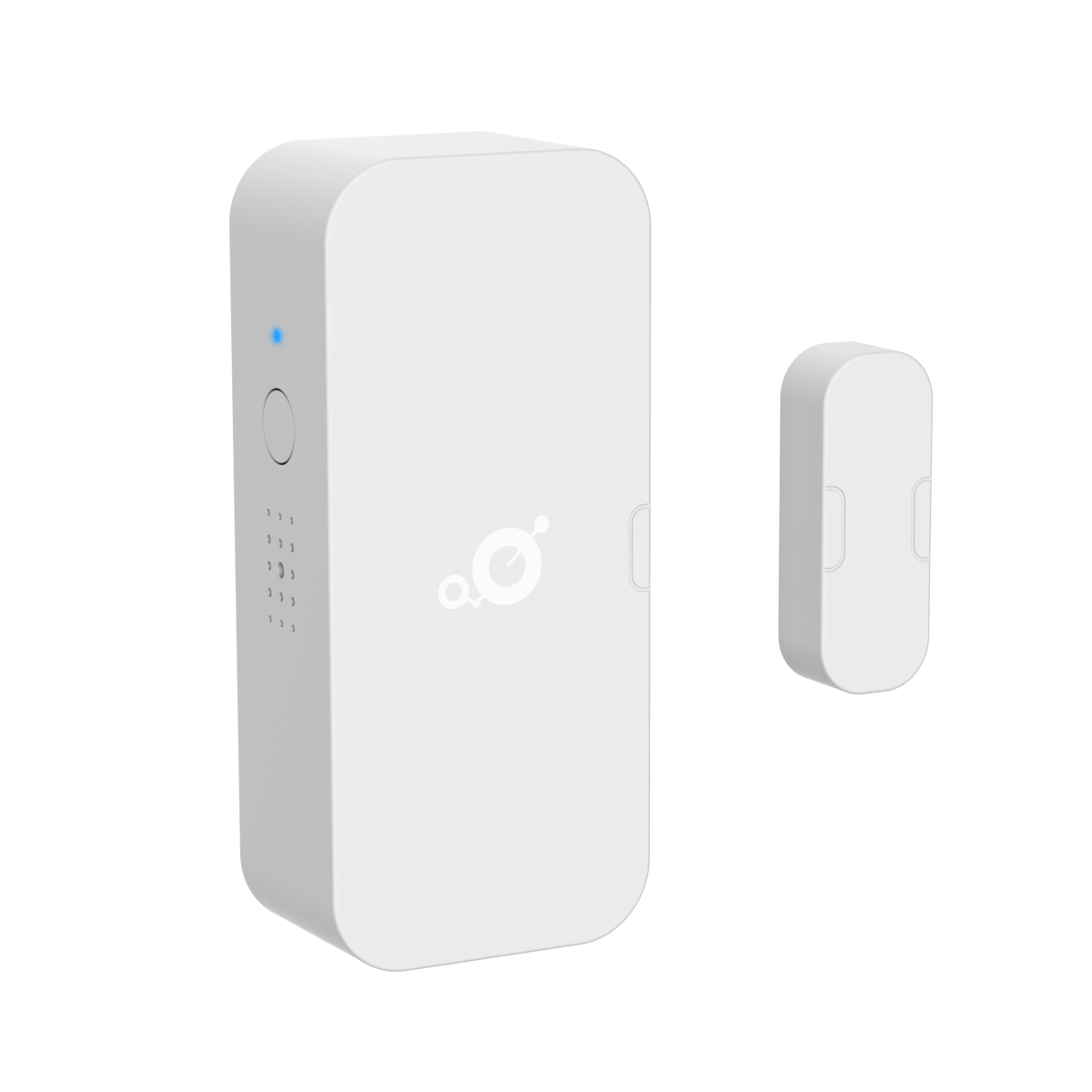
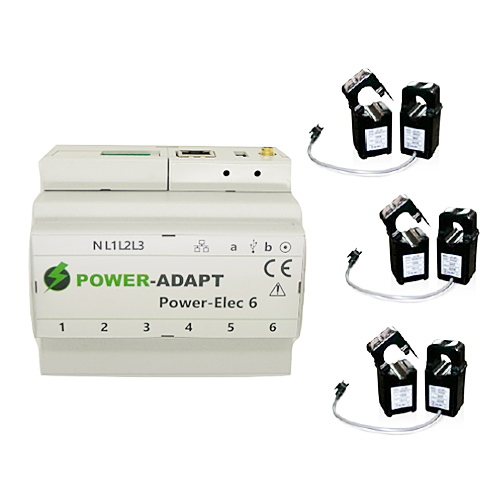
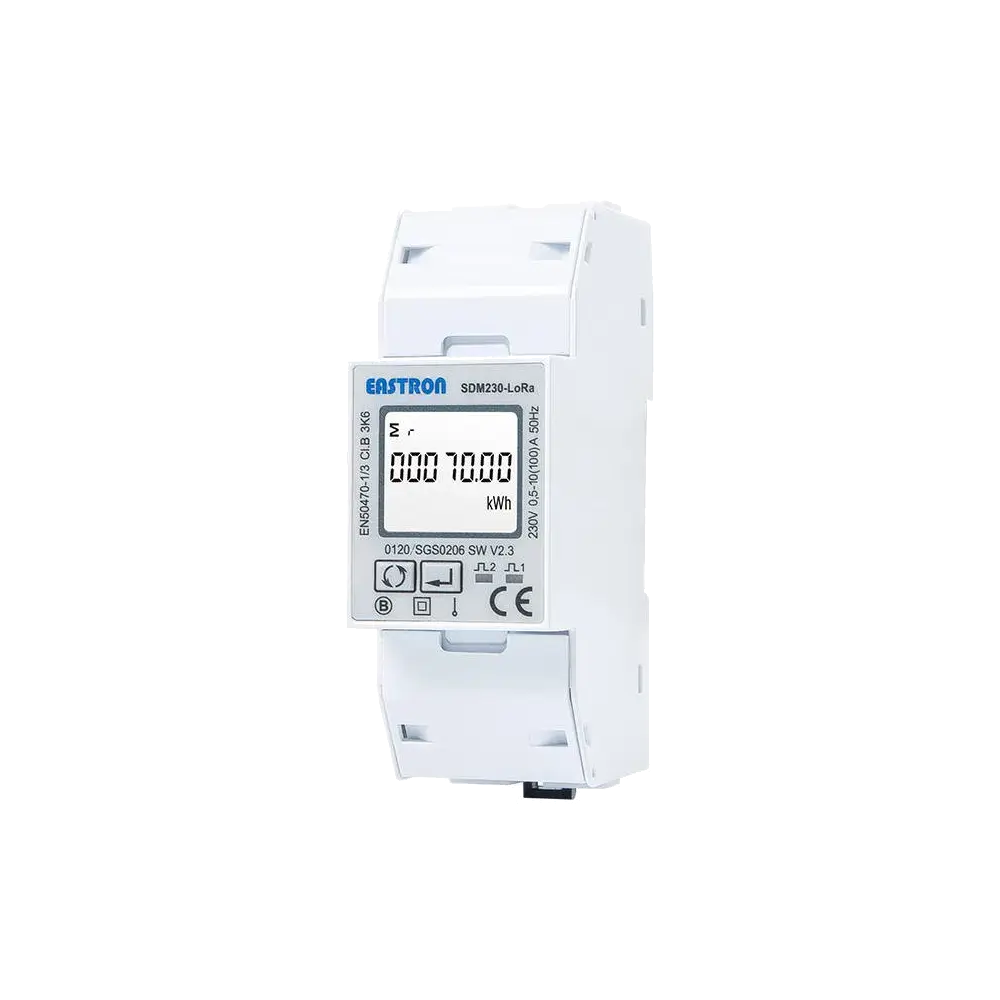
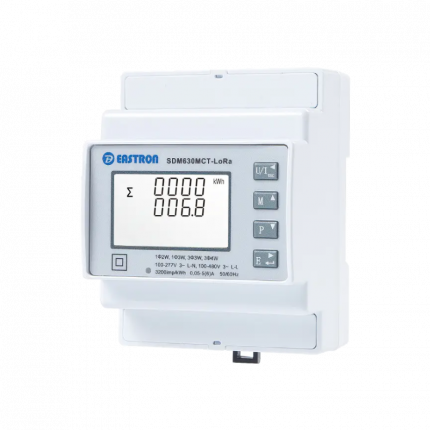
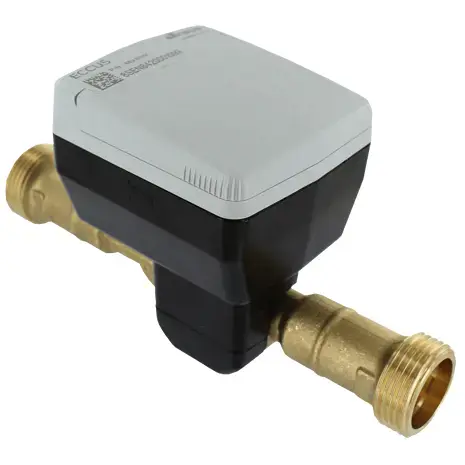
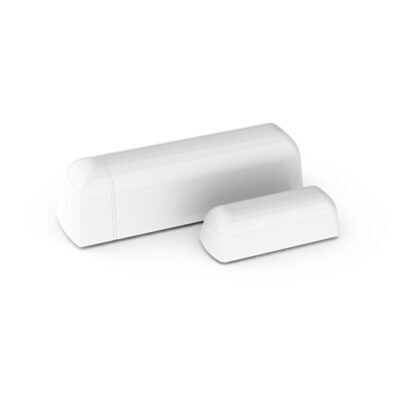
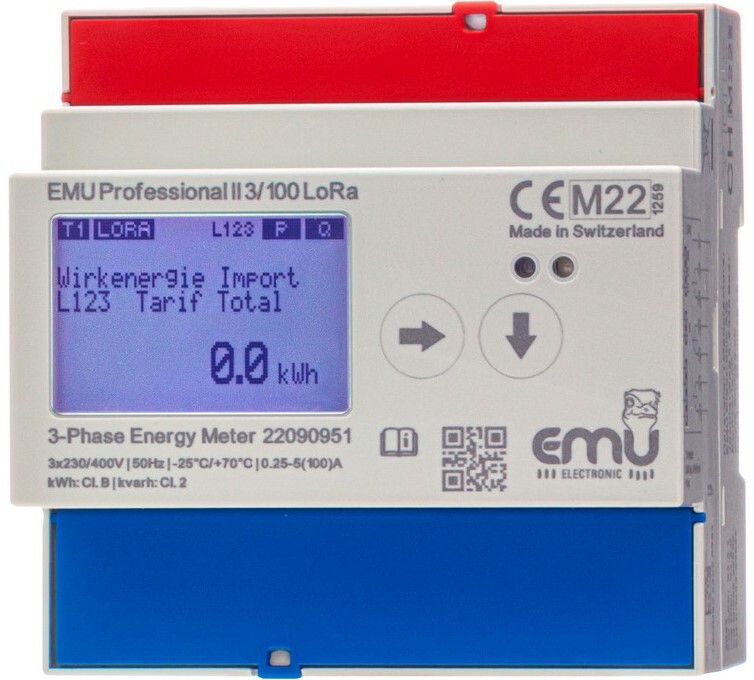
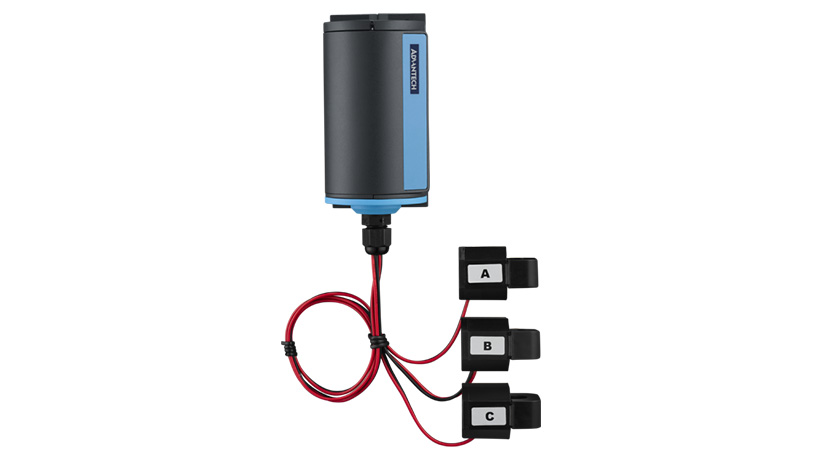
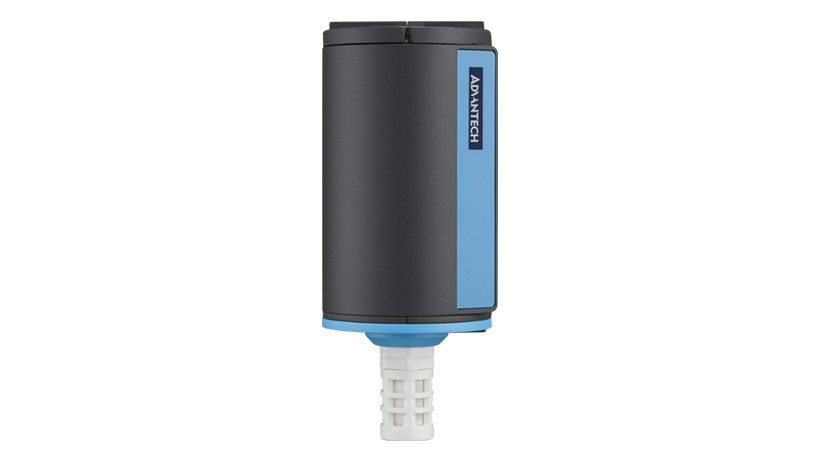
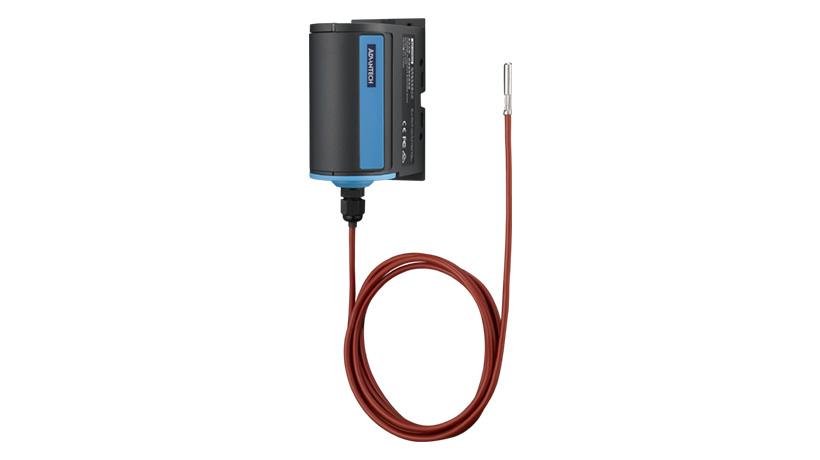
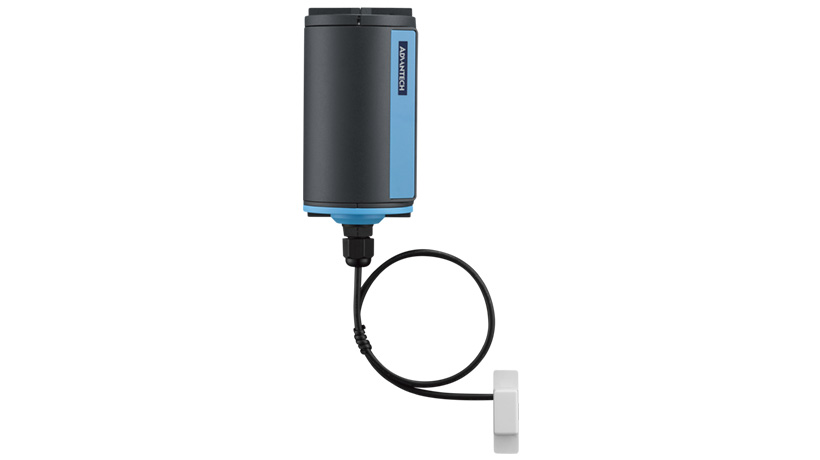
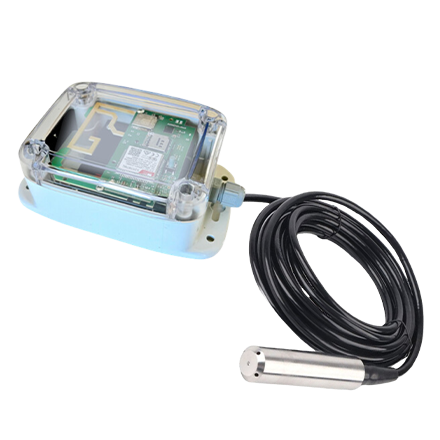
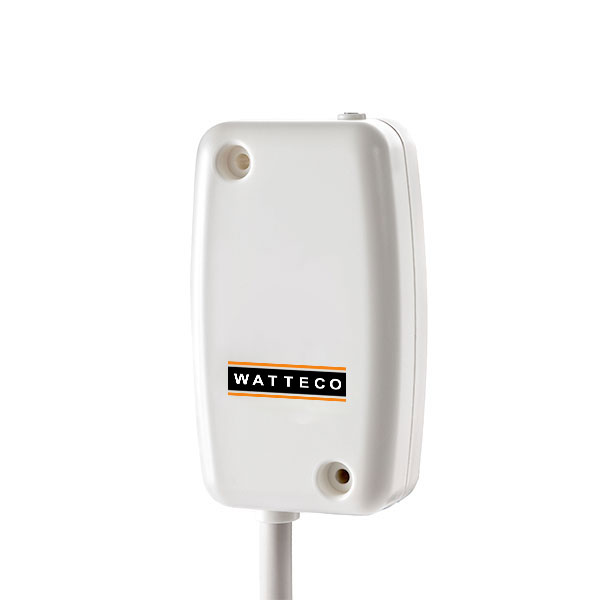
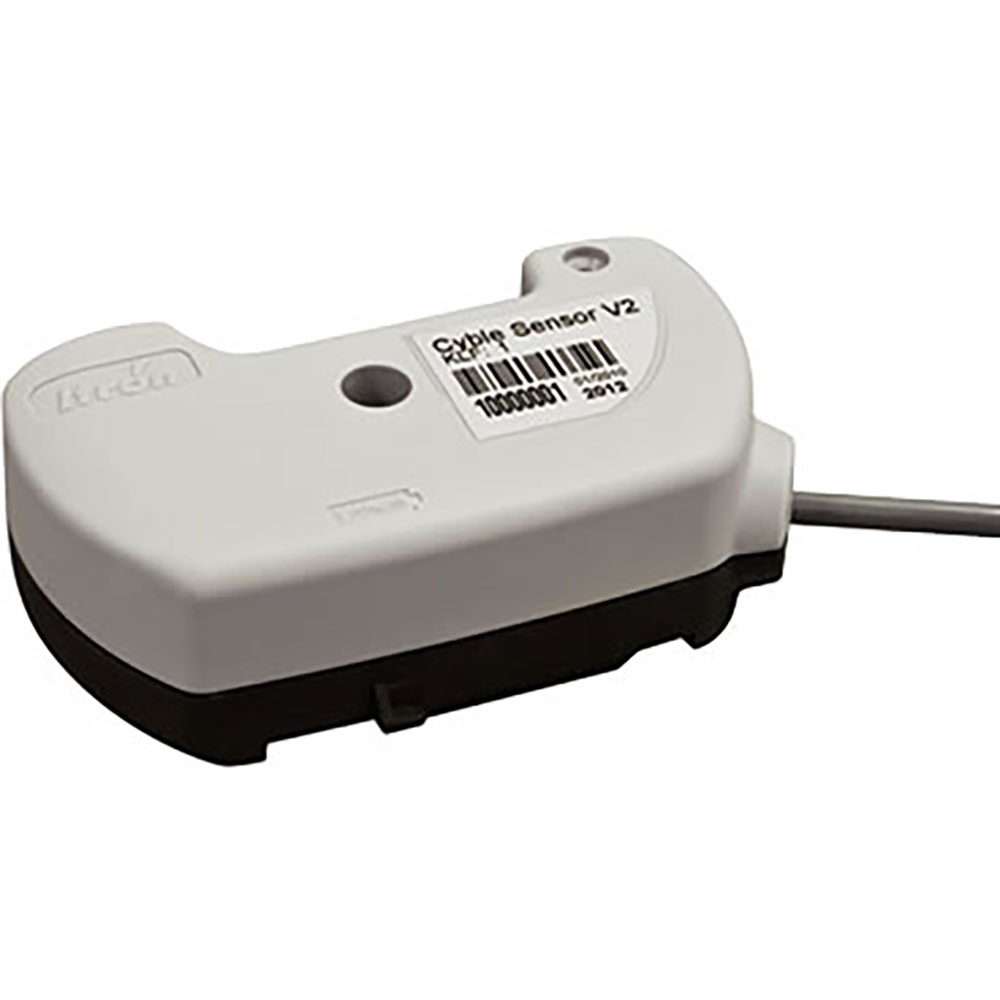
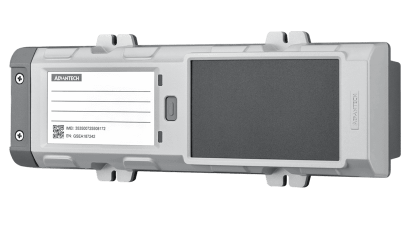
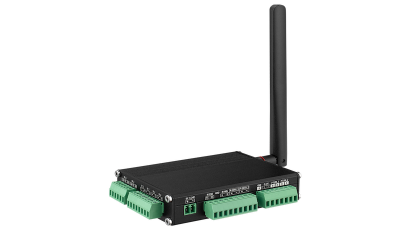
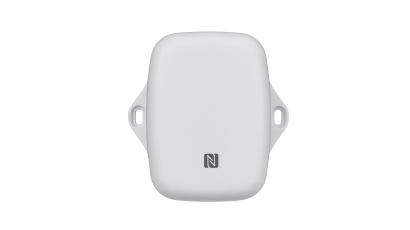
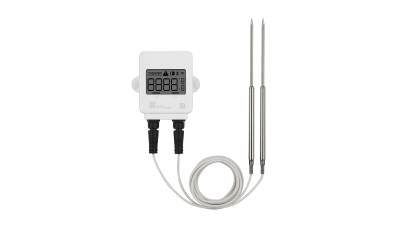
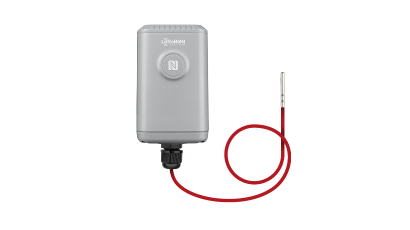
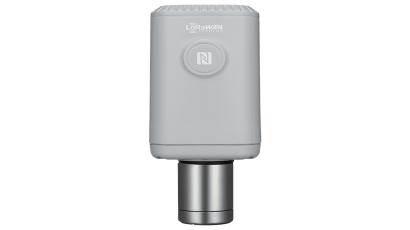
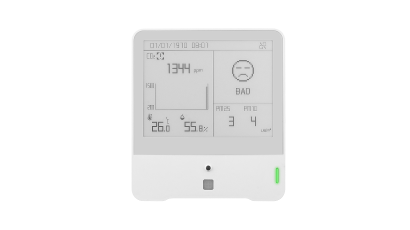
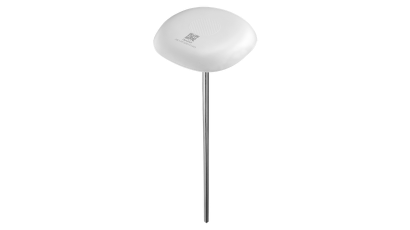

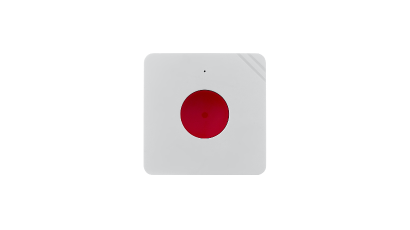
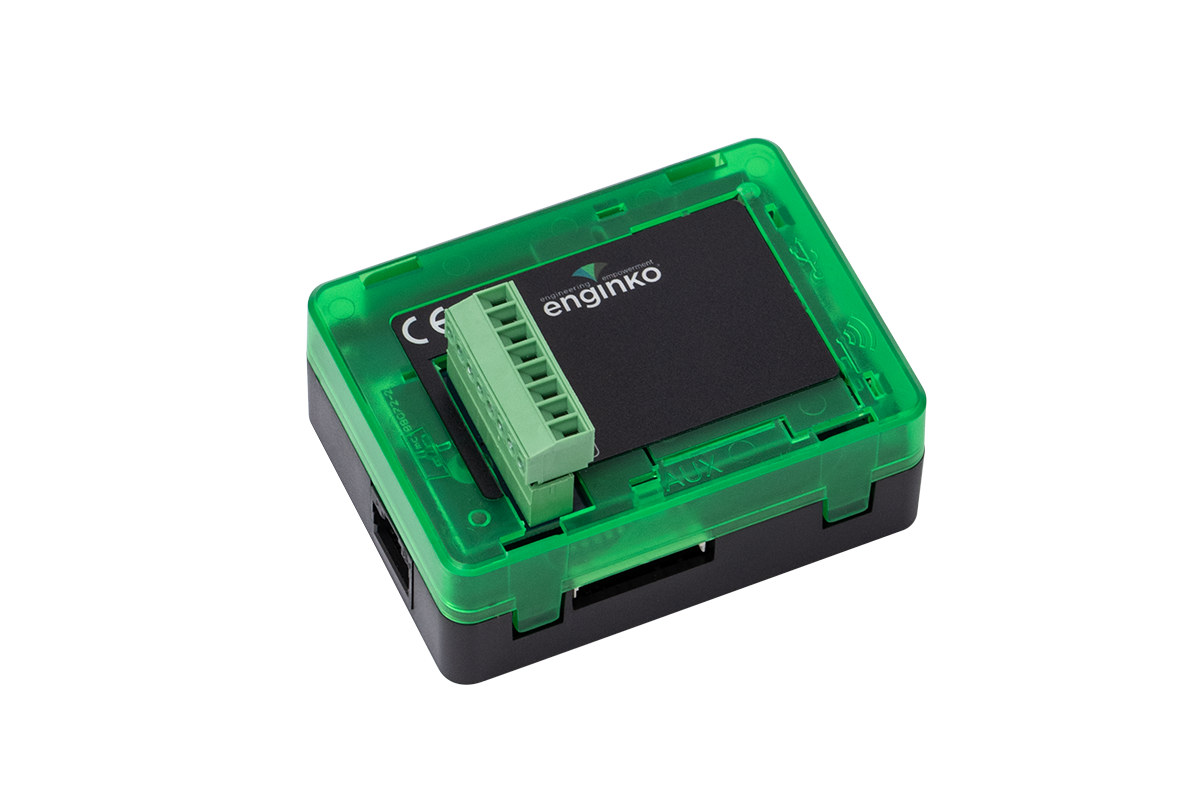
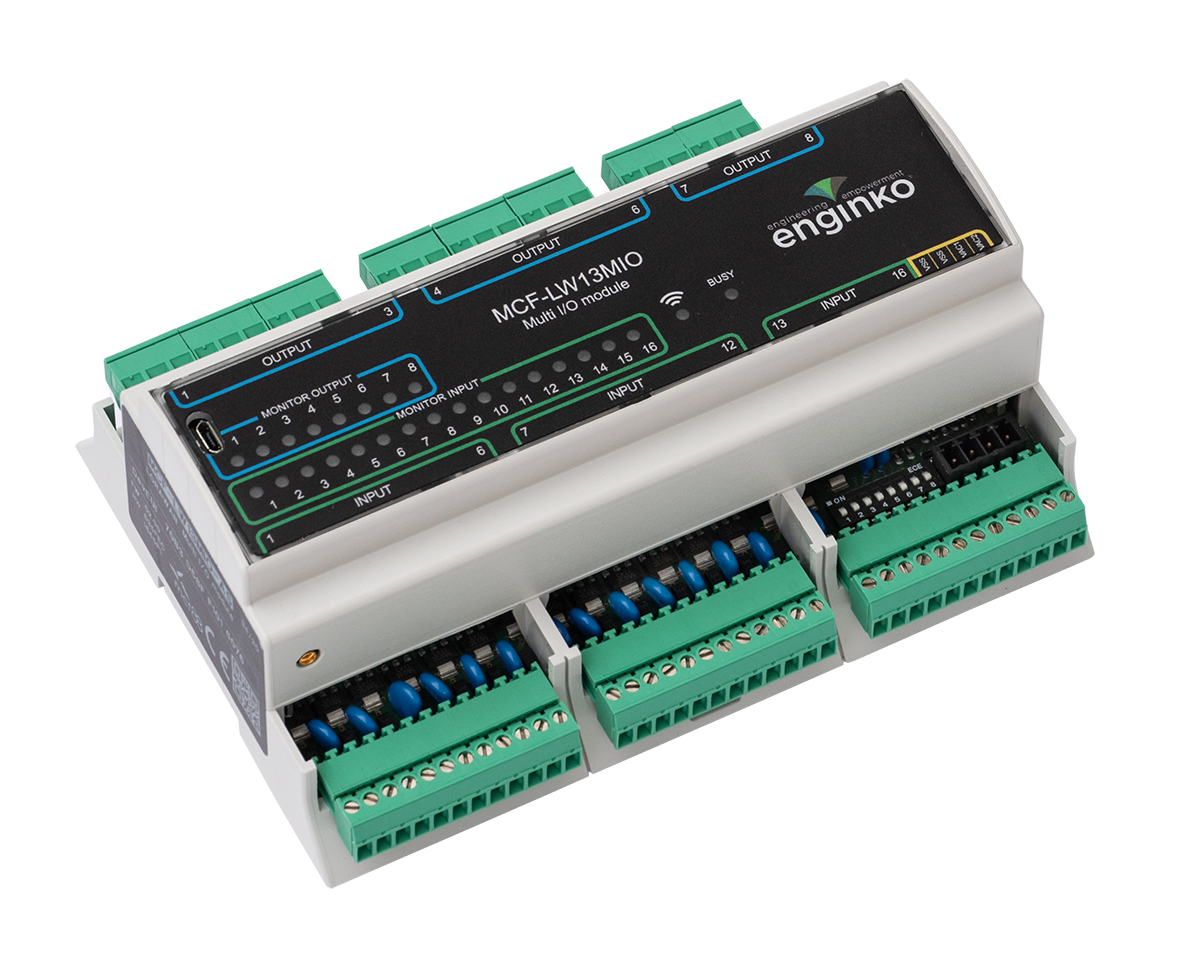
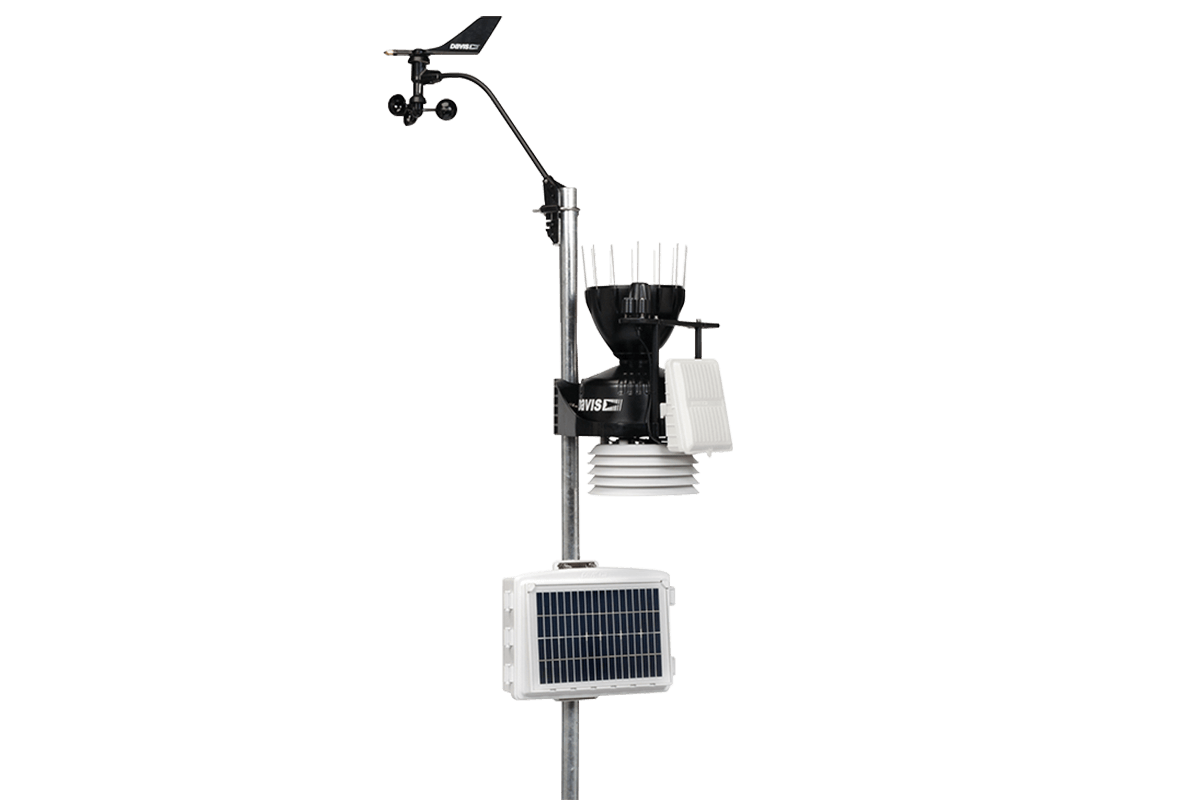
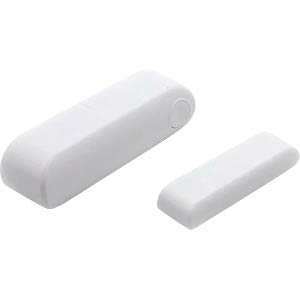
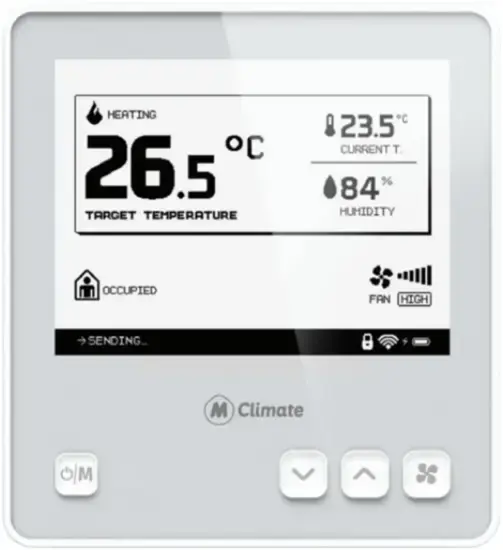
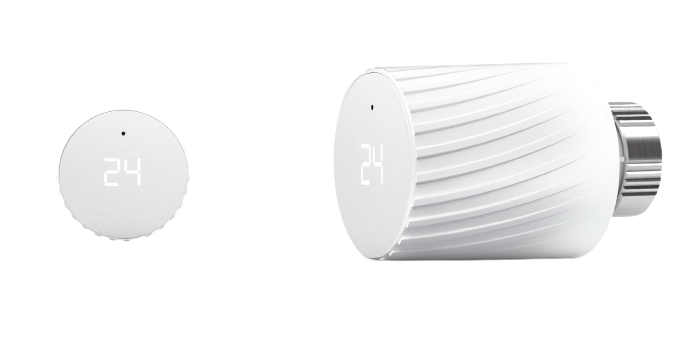
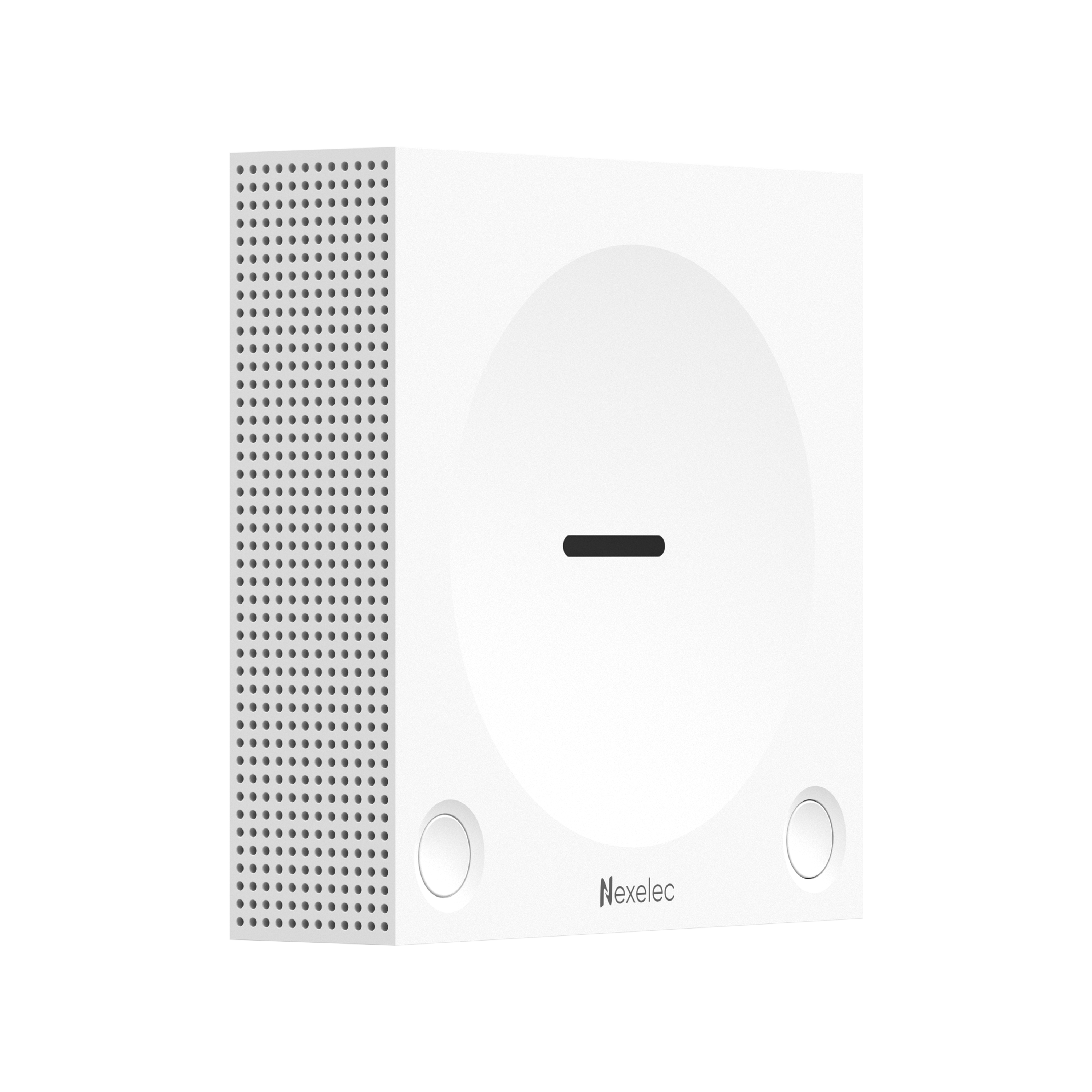

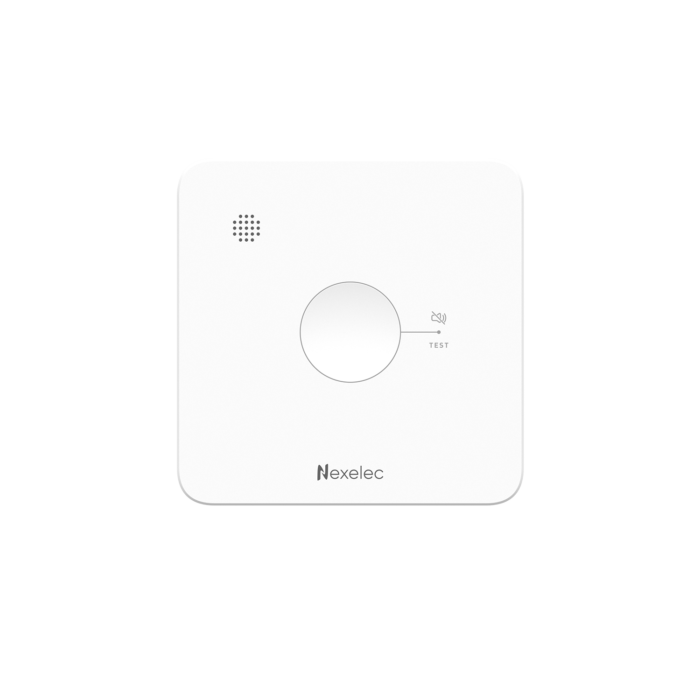

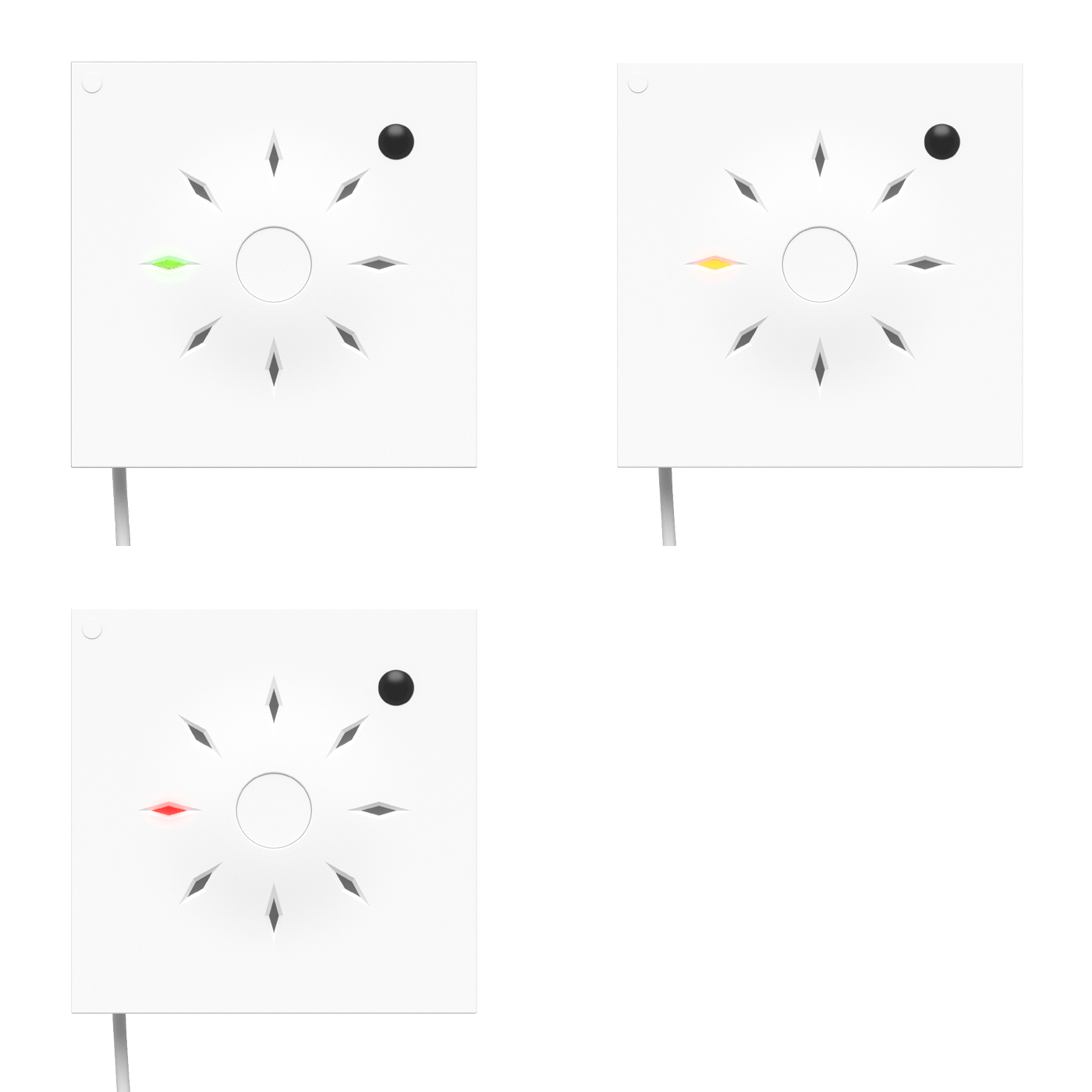

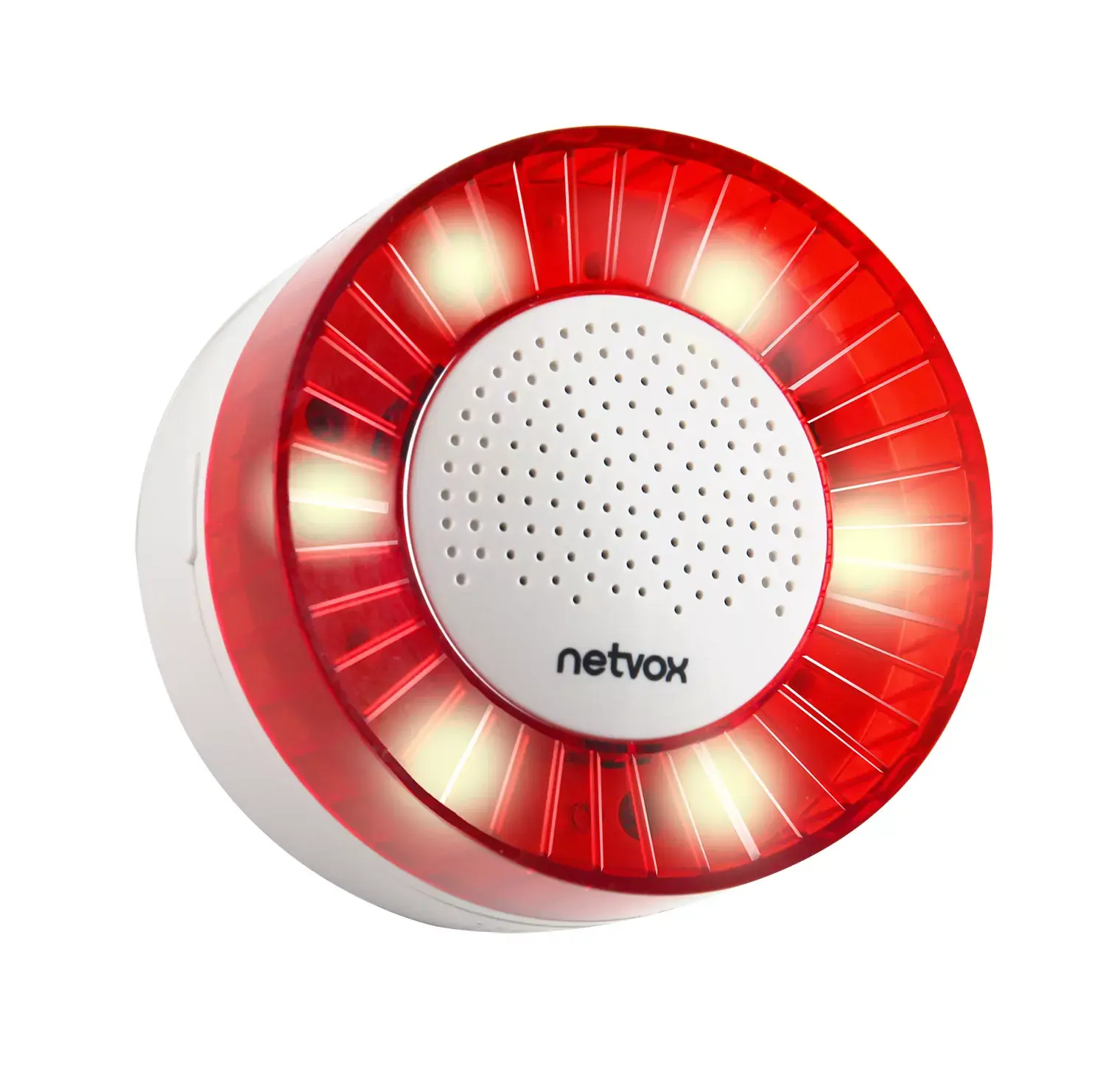
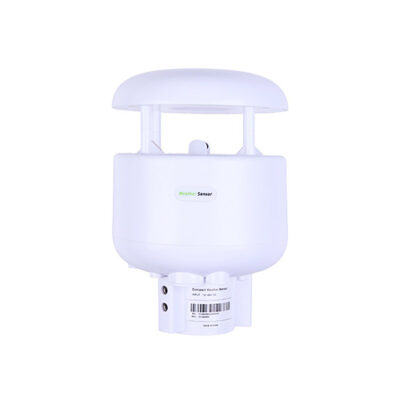
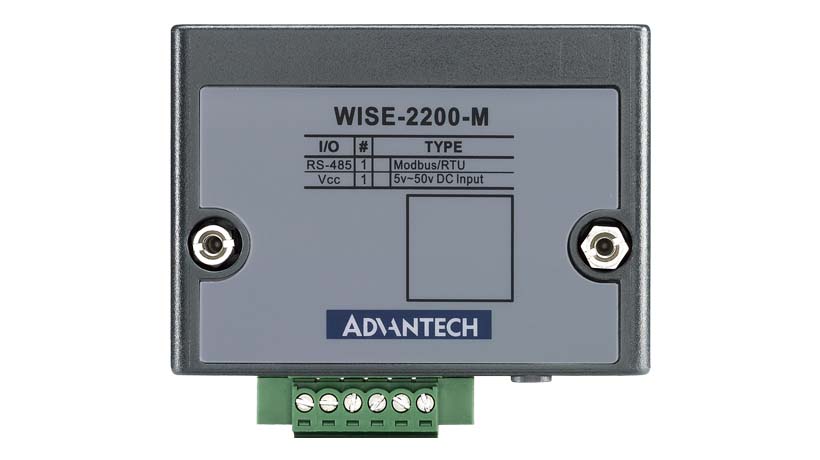
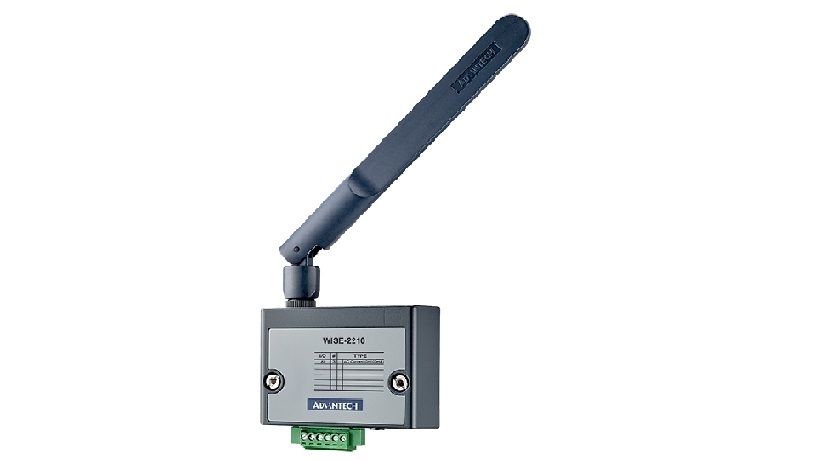
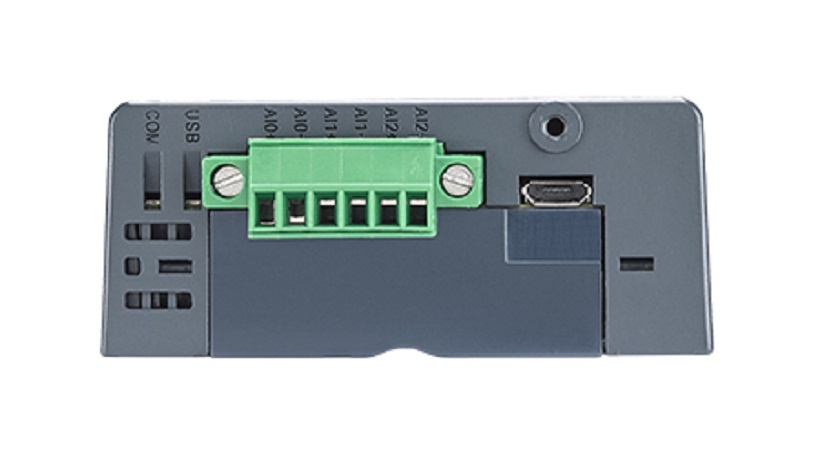
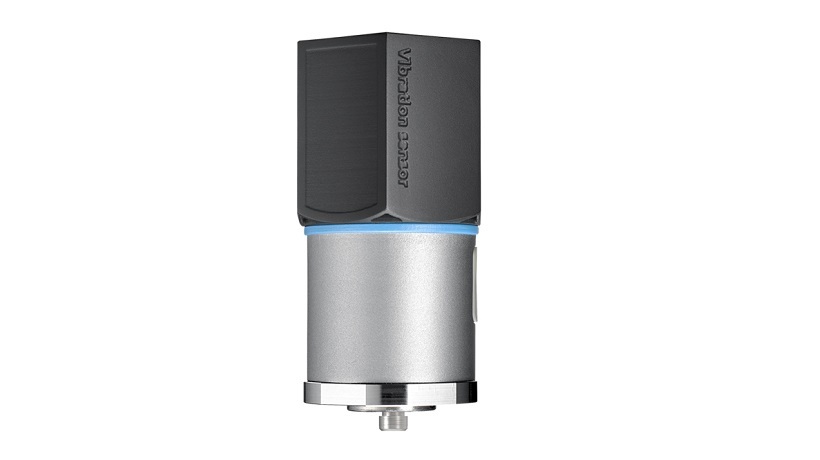
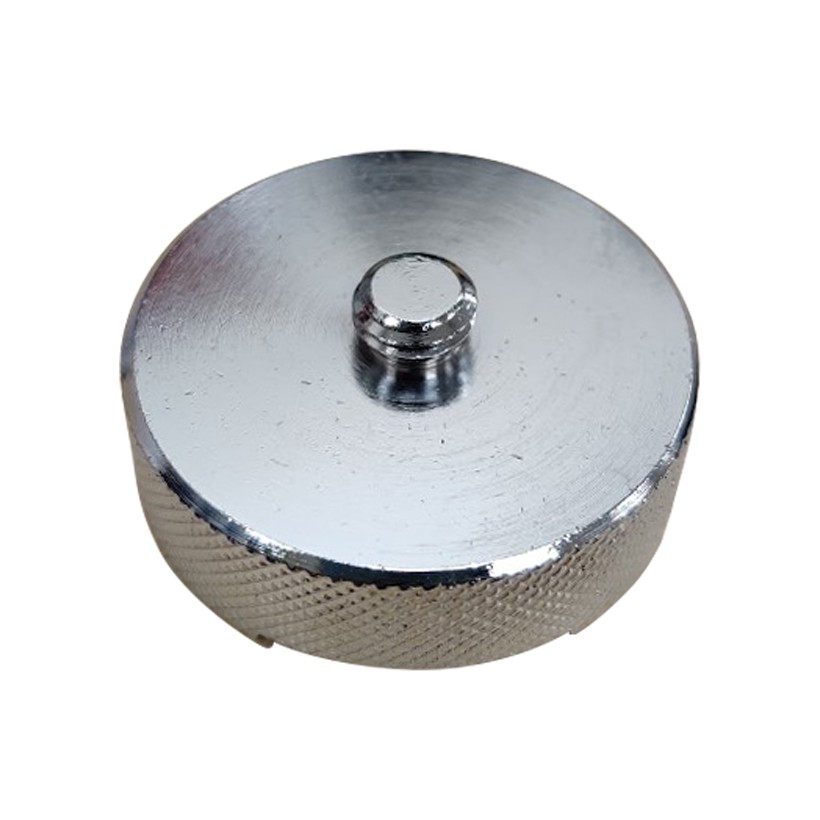
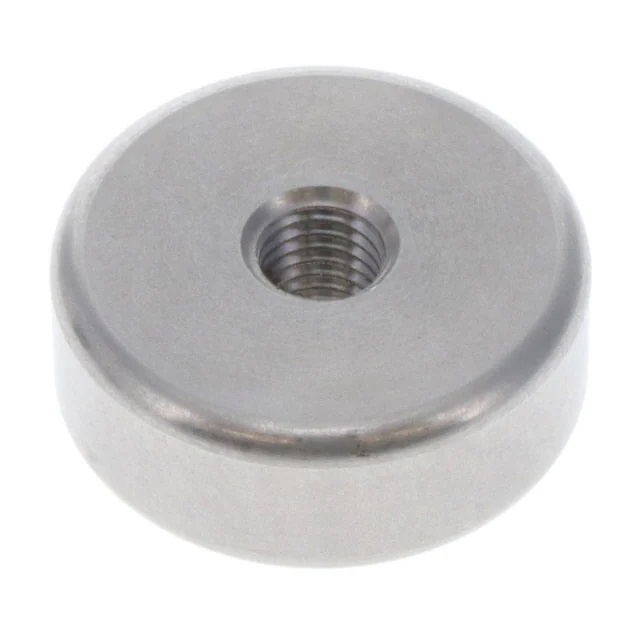
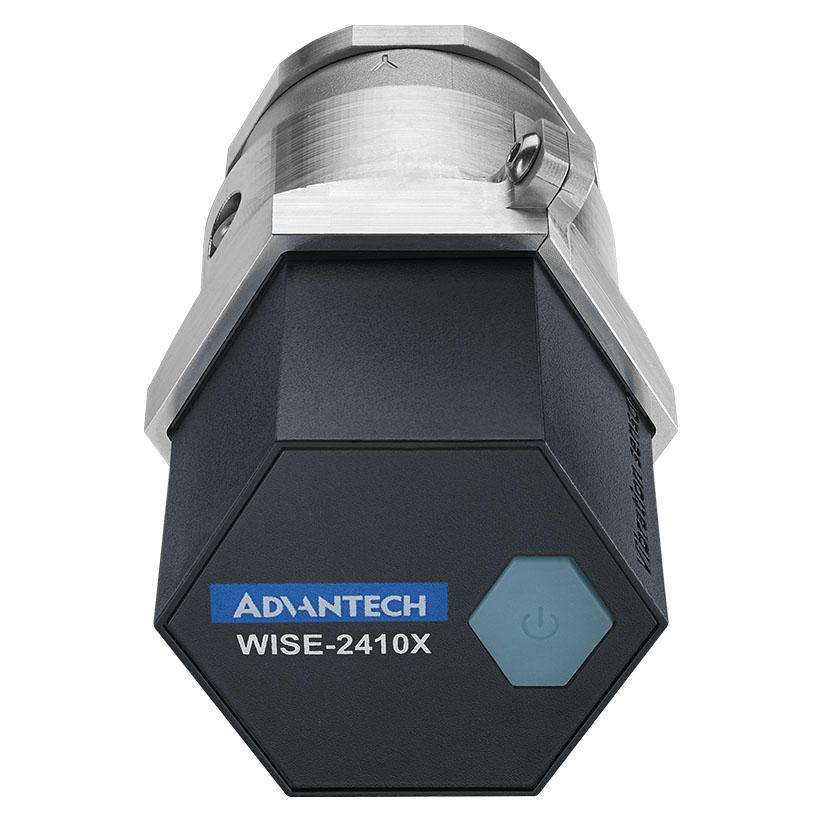
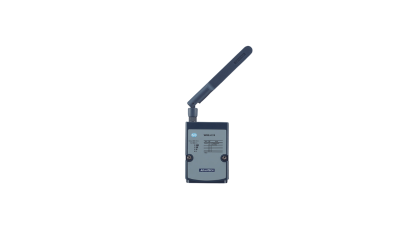
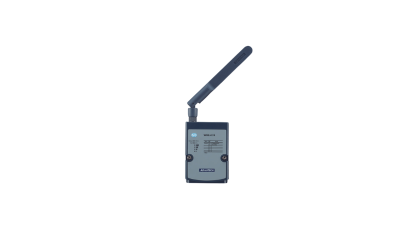
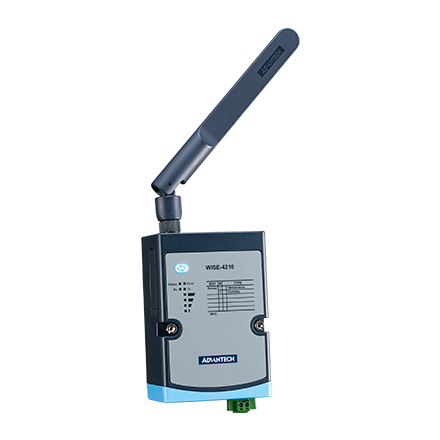
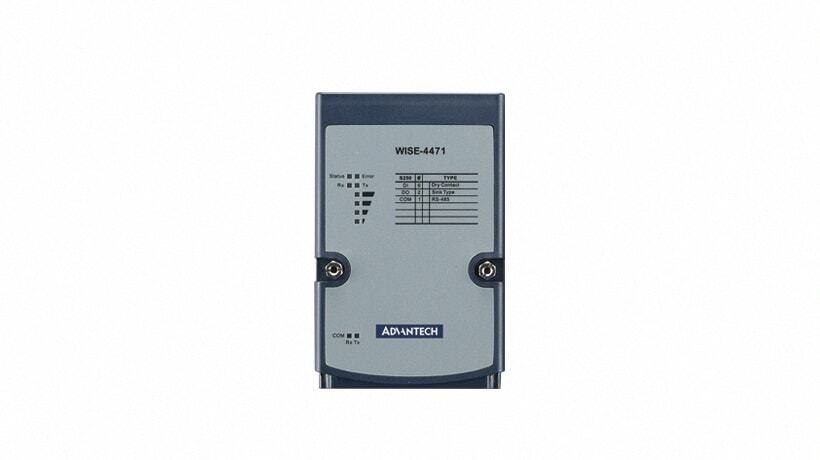
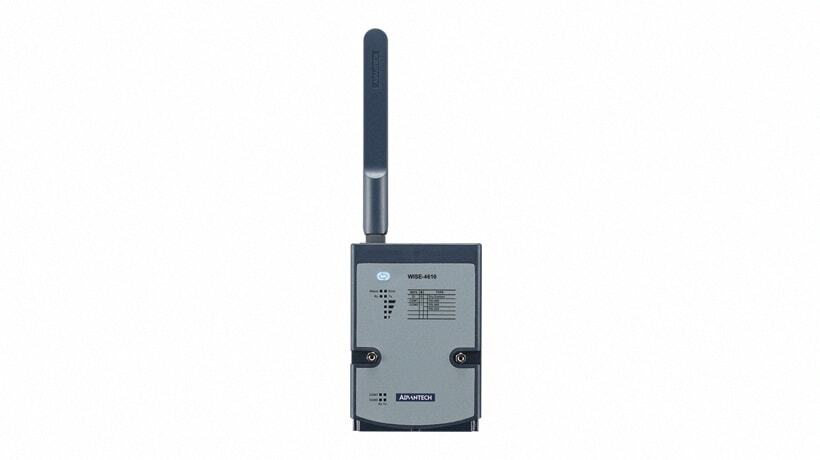
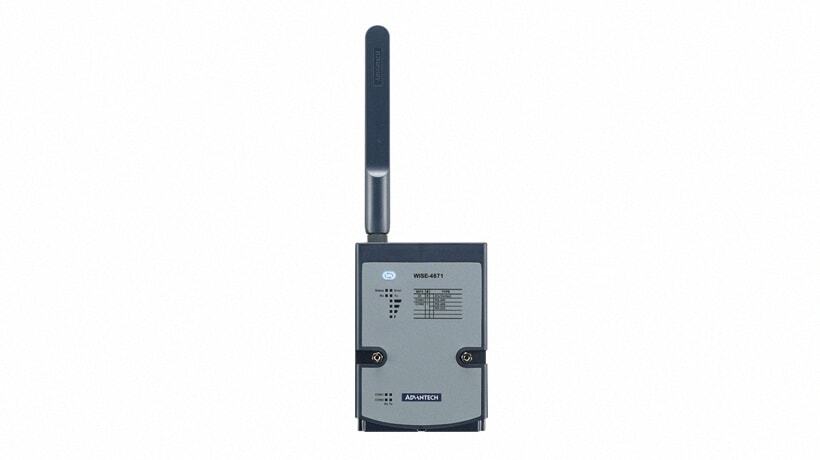


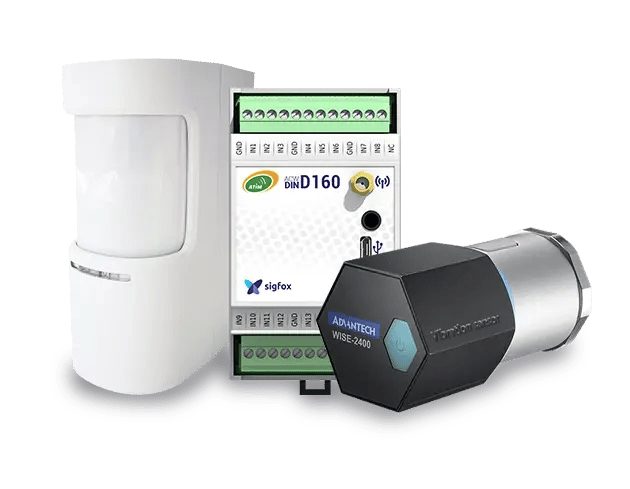
IoT (Internet of Things) objects are intelligent devices capable of collecting, transmitting and receiving data via the Internet or radio, without human intervention. In the industrial world, they are becoming essential allies in automating processes, improving traceability, reducing errors and optimizing overall performance.
They are at the heart of the digital transformation of factories, laying the foundations for Industry 4.0.
Adopting IoT objects means :
-
Reduce costs through predictive maintenance and energy optimization.
-
Improve safety by detecting equipment anomalies or risks in real time.
-
Optimize productivity through better planning, reduced downtime and precise resource management.
-
Enhance competitiveness by accessing strategic data for rapid, informed decision-making.
Industrial IoT solutions address a wide range of sectors:
-
Manufacturing: production line monitoring, automated inventory management.
-
Energy: real-time monitoring of installations and consumption.
-
Logistics and transport: geolocation, traceability, fleet management.
-
Food industry: temperature and humidity control, production quality.
Integrating IoT objects enables manufacturers to reduce their carbon footprint. How? By optimizing energy management, reducing waste, improving machine efficiency and taking a proactive approach to breakdowns and malfunctions.
The result: more sober, sustainable and profitable operations over the long term.